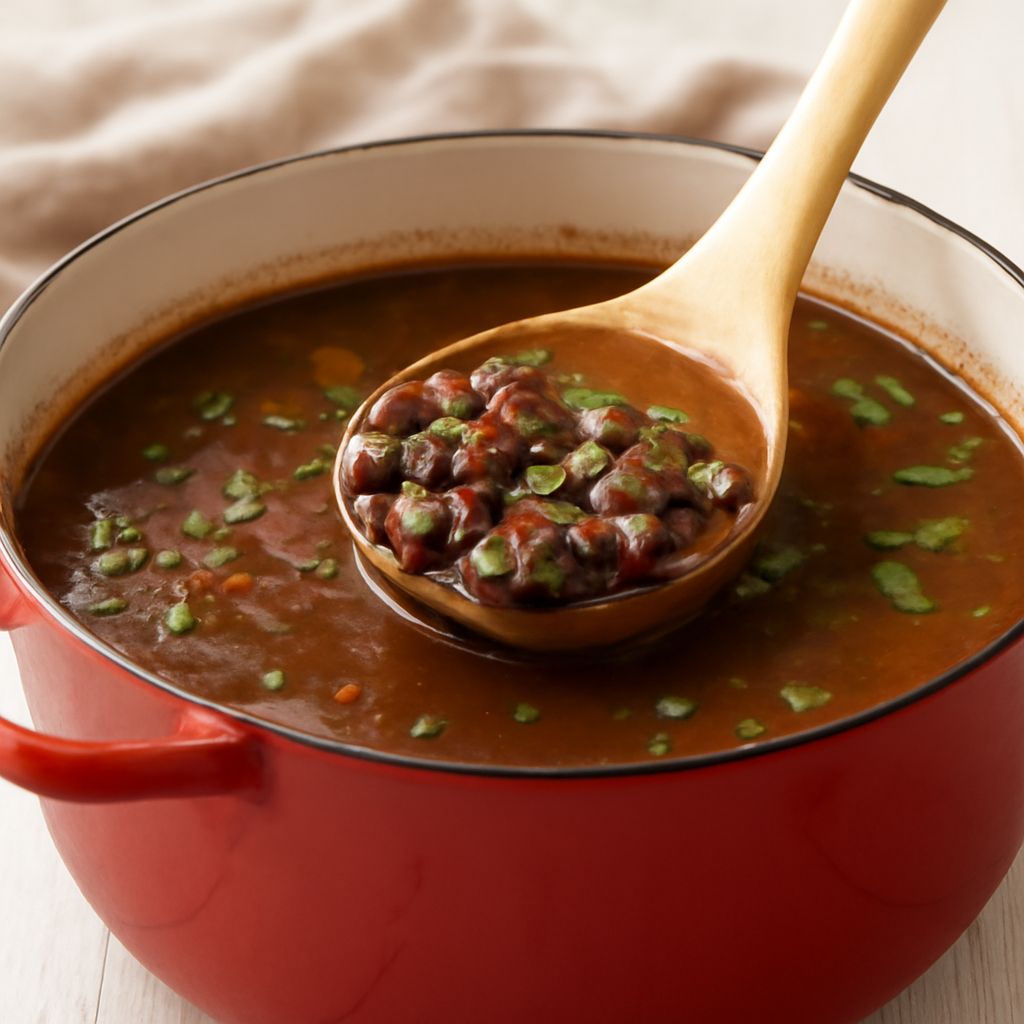
Knowing how to thicken soup with flour is a fundamental kitchen skill, but it is only one of many tools available. Whether your broth is too thin, your stew lacks body, or you need a soup thickener that works without any starch, there is a perfect technique for every soup and every dietary need. Understanding all your options means you can always rescue a too-thin soup with confidence.
Learning how to thicken vegetable soup without altering its fresh, clean flavor requires different approaches than thickening a cream-based chowder. Knowing how to thicken soup without flour matters if you are cooking gluten-free, paleo, or simply do not want to change the flavor profile. Every method to thicken soup without flour that works reliably is covered here.
Thicken Soup with Flour: The Classic Method
Using a Roux
A roux — equal parts butter and flour cooked together — is the most traditional soup thickener for chowders, bisques, and cream soups. Melt butter in a separate pan, whisk in flour, and cook for 1 to 2 minutes until the raw flour taste disappears. Whisk the roux into your simmering soup gradually to avoid lumps. This thicken soup with flour method is ideal for New England clam chowder, cream of mushroom, and similar preparations.
Slurry Method
Mix 2 tablespoons of flour with 4 tablespoons of cold water to form a smooth slurry. Whisk gradually into simmering soup. Simmer for 5 minutes to cook out the raw flour taste. This soup thickener method is faster than a roux but produces a slightly less rich result. Use it when you need to thicken soup with flour quickly in an already-finished pot.
How to Thicken Vegetable Soup
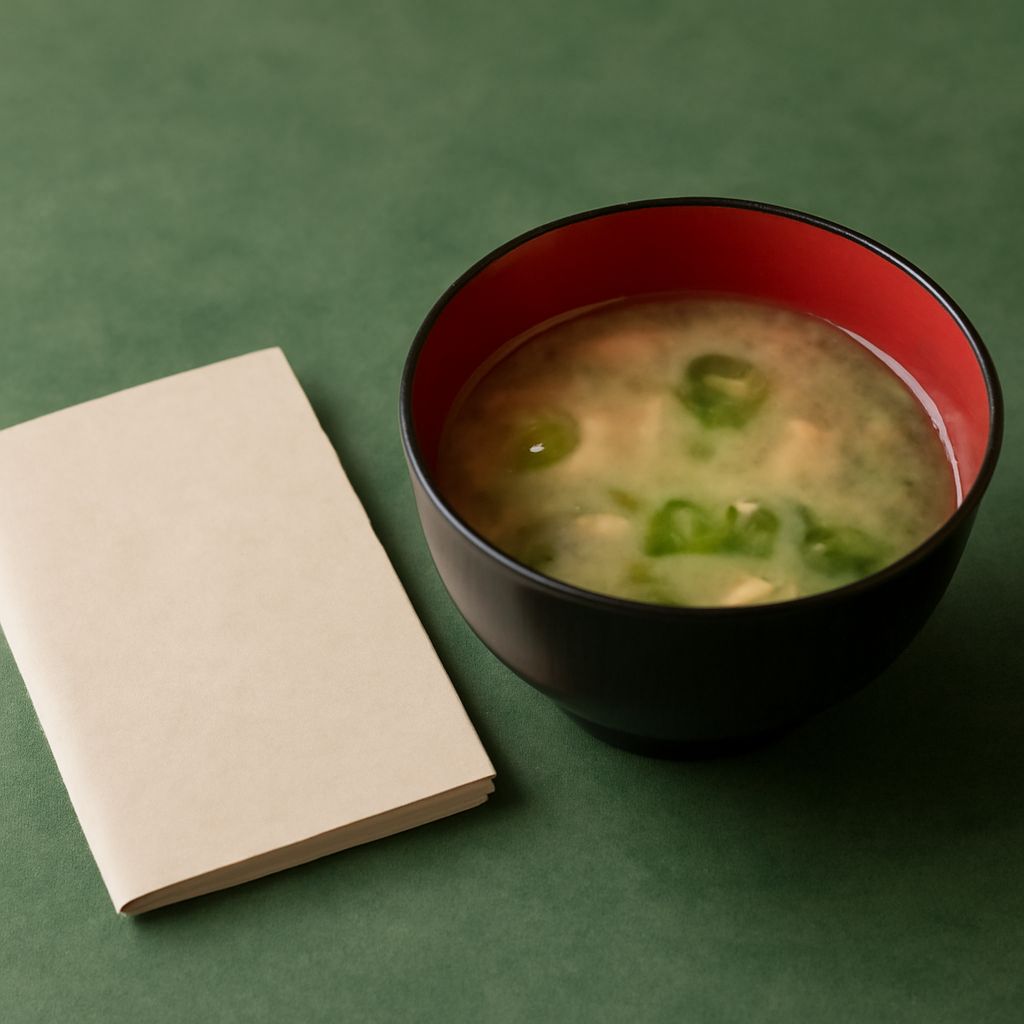
The cleanest way to thicken vegetable soup without adding flour is to blend a portion of the soup itself. Remove 2 cups of the cooked vegetables and broth, blend until smooth, and stir back into the pot. The puréed vegetables act as a natural soup thickener, adding body while preserving the soup’s original flavor. Alternatively, add a diced potato or sweet potato early in cooking — as it cooks and breaks down, it naturally thickens the broth. Both techniques explain how to thicken vegetable soup while keeping it wholesome and clean.
How to Thicken Soup Without Flour
Cornstarch or Arrowroot
For a gluten-free soup thickener, mix 1 tablespoon cornstarch with 2 tablespoons cold water and stir into simmering soup. Cornstarch creates a neutral, glossy thickness without altering flavor. Arrowroot powder works identically but is more paleo-friendly and creates a clearer finish. Both are excellent answers to how to thicken soup without flour in any dietary context.
Purée, Legumes, and Bread
Mashing beans directly into the soup adds protein-rich body — a traditional Italian technique for minestrone. A torn piece of stale bread blended into the broth is a classic Tuscan trick for thickening ribollita. Cashew cream (soaked and blended cashews) adds rich thickness without any starch. These techniques all thicken soup without flour effectively while adding nutrition and flavor complexity.
Choosing the Right Method
The best soup thickener depends on your soup type. For creamy soups and chowders: use a roux to thicken soup with flour. For vegetable soups: blend a portion or add potato. For Asian-inspired soups: use cornstarch slurry. For paleo and gluten-free: use arrowroot or puréed vegetables. Knowing how to thicken vegetable soup versus cream soup versus stew requires understanding which method suits each base broth and flavor profile.
Bottom Line
Whether you need to thicken soup with flour using a classic roux or want to thicken soup without flour using blended vegetables, cornstarch, or legumes, there is always a perfect technique available. The right soup thickener for your pot depends on the soup style and your dietary needs — but now you have every method at your disposal.