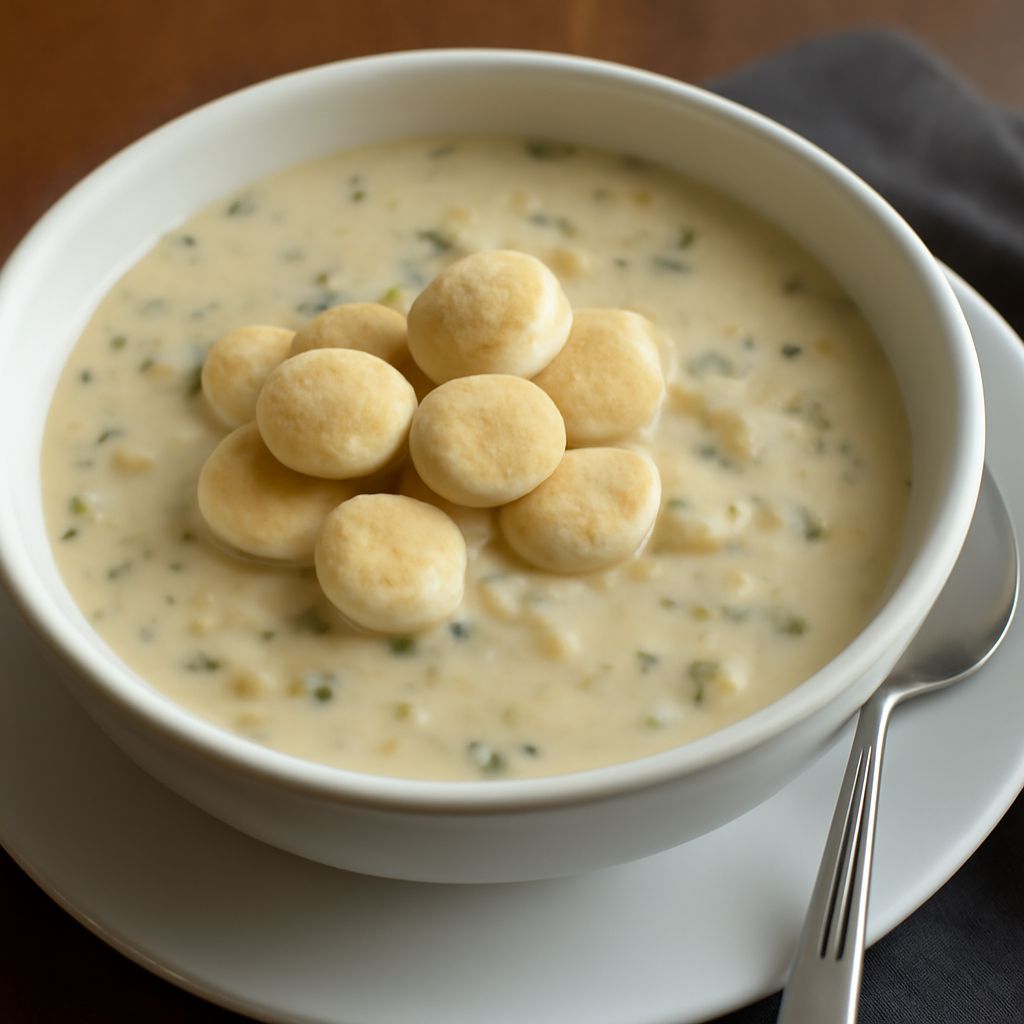
Hominy soup is built on nixtamalized corn kernels that are larger, chewier, and more deeply flavored than regular corn. Hominy absorbs surrounding flavors during long simmering and gives the soup a satisfying, starchy body that sets it apart from standard vegetable soups. The most famous version is pozole, but mexican soup with hominy covers a much wider range of regional preparations.
This guide covers the classic mexican hominy soup approach, explains how hominy soup recipes vary by region, and includes a note on mexican fish soup for those who want a lighter, seafood-based version of a similar broth.
What Is Hominy
How Hominy Is Made
Hominy is dried corn treated with an alkaline solution—traditionally lye or slaked lime—through a process called nixtamalization. This treatment removes the hull, increases nutritional availability, and dramatically changes the texture of the corn kernel. The result is a large, plump kernel with a slightly chewy exterior and a soft, starchy interior that holds its shape well during simmering in any hominy soup.
Where to Find It
Canned hominy is available in most grocery stores in the Latin foods aisle. Dried hominy requires soaking and longer cooking but delivers better texture in finished hominy soup recipes. The canned version is perfectly acceptable for weeknight cooking.
Mexican Soup with Hominy: Classic Pozole
Traditional pozole is the most iconic mexican soup with hominy. It uses pork shoulder simmered until tender in a broth flavored with dried chiles—typically ancho, guajillo, and arbol. The chiles are toasted, soaked, blended, and strained before being added to the broth. The hominy goes in for the last forty-five minutes to one hour of simmering. Pozole rojo is the red version. Pozole verde uses tomatillos and green chiles. Both are legitimate and widely made across Mexico.
Mexican Hominy Soup: Simpler Variations
Quick Chicken Version
A faster mexican hominy soup uses chicken thighs instead of pork and a can of diced green chiles instead of dried chiles. Brown the chicken in a pot, add chicken broth, green chiles, garlic, cumin, and oregano. Simmer for thirty minutes. Shred the chicken. Add canned hominy and simmer for fifteen more minutes. This streamlined version captures the spirit of hominy soup recipes without requiring chile soaking or long braising times.
Garnishes
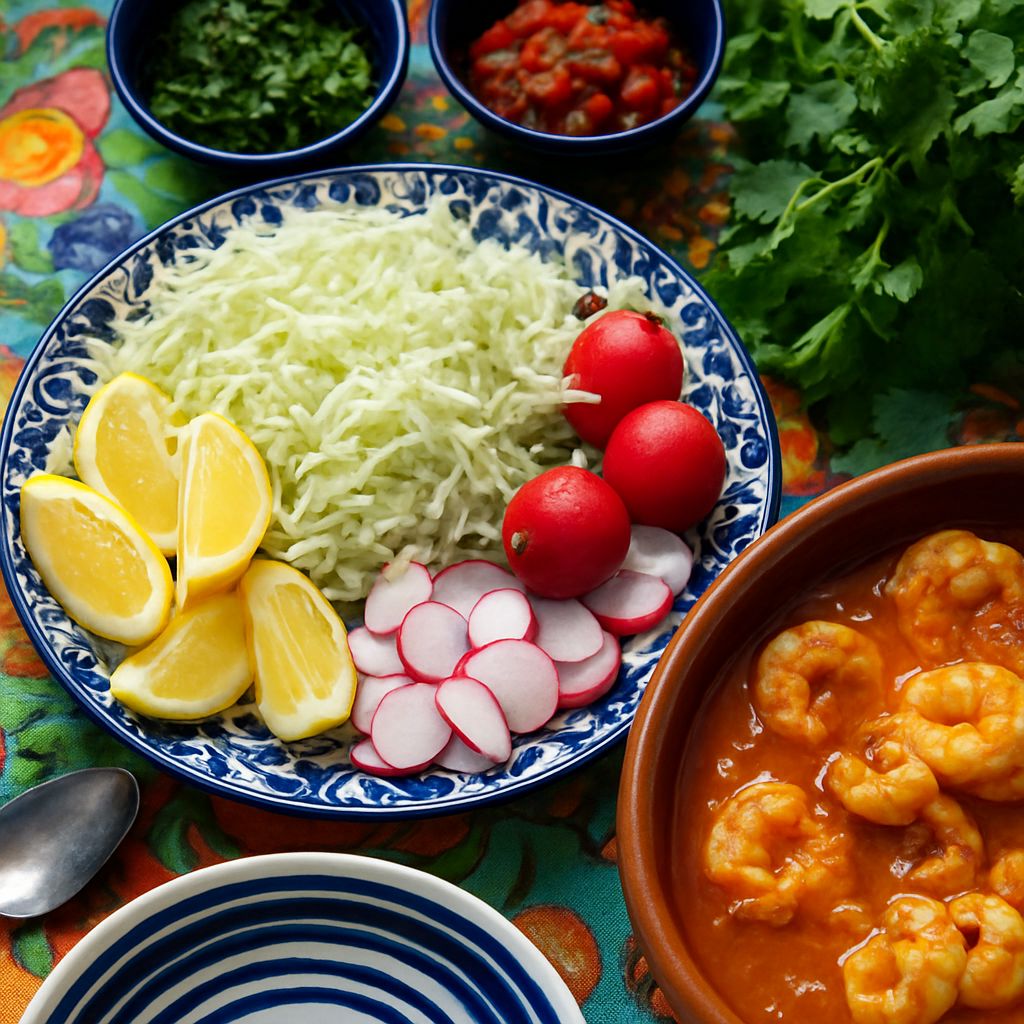
Pozole and its variations are always served with toppings: shredded cabbage, sliced radishes, diced white onion, dried oregano, lime wedges, and tostadas or tortilla chips on the side. These garnishes are not optional—they add crunch, freshness, and acidity that balance the richness of the broth in any hominy soup recipe.
Mexican Fish Soup: A Lighter Alternative
Mexican fish soup, or caldo de mariscos, shares some ingredients with hominy-based soups but replaces the corn with seafood and uses a tomato-based rather than chile-based broth. Combine tomatoes, onion, garlic, cumin, and fish or shrimp stock. Add chunks of firm white fish, shrimp, and clams or mussels in the last ten minutes of cooking. This mexican fish soup is lighter in body than a pozole but equally satisfying and far quicker to prepare.
Next Steps
Try a traditional pozole recipe on a weekend when you have time for the dried chile preparation. Use the quick chicken version of mexican hominy soup on weeknights. Explore hominy soup recipes with different protein options—turkey, lamb, or vegetarian versions using mushrooms are all regional variations worth exploring. Keep a few cans of hominy in your pantry so you are always prepared to make this style of soup on short notice.