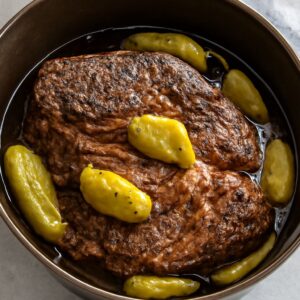
Beef soup bones are the foundation of any deeply flavored beef broth or stock. The collagen in bones breaks down during long, slow cooking and produces gelatin that gives broth body and a silky mouthfeel. A single soup bone can transform several quarts of water into a rich, satisfying base for soups, stews, and braises. Beef soup bone stock is more nutritious and more flavorful than any canned product. Beef soup bones with meat attached add both collagen and direct protein to the pot, making the broth even richer. Learning how to use soup bones correctly makes this a worthwhile addition to your regular cooking routine.
The process is straightforward but time-dependent. Low heat over many hours is what extracts the maximum value from the bones.
Types of Beef Soup Bones
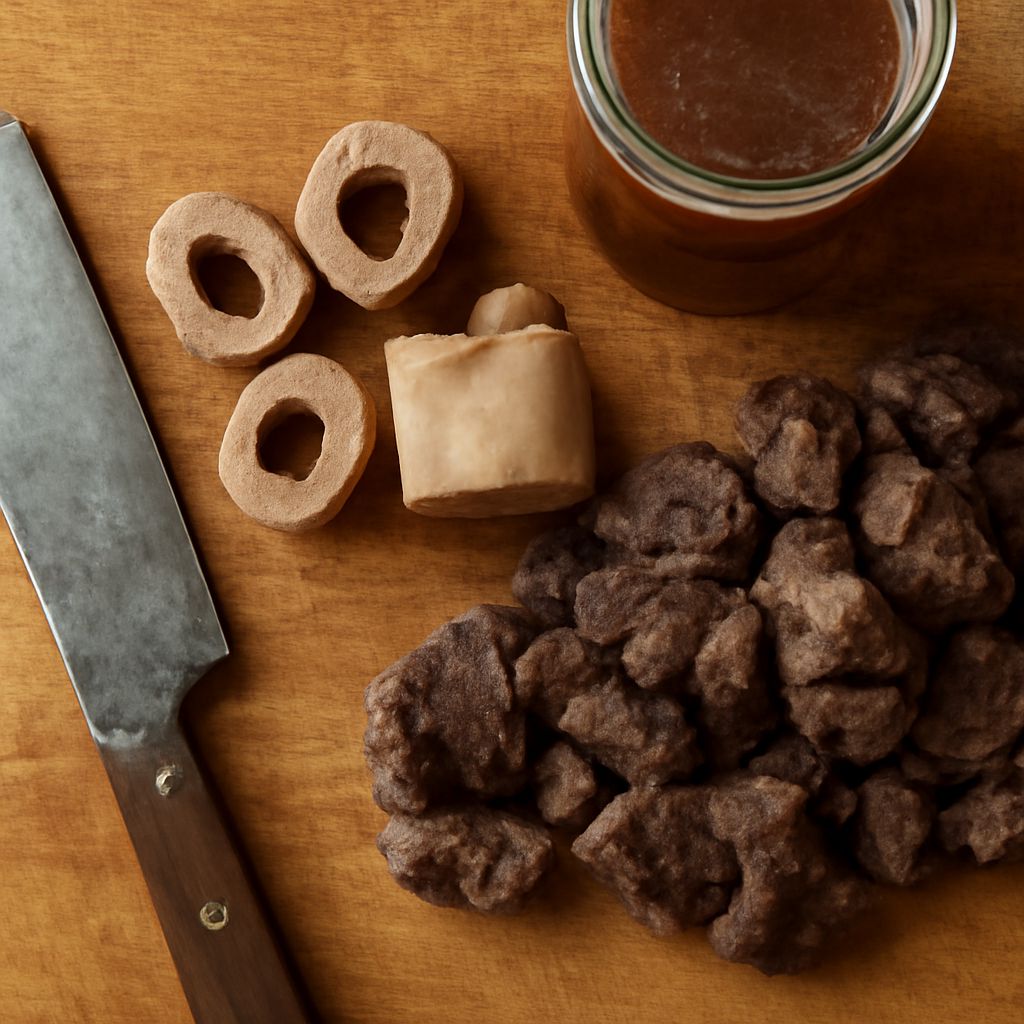
Knuckle bones are large and cartilage-rich, ideal for producing gelatin-heavy stock. Marrow bones have a hollow center filled with fat-rich marrow that melts into the broth during cooking. Oxtail is technically beef soup bones with meat and is one of the most flavorful options available. Neck bones and short rib bones carry both meat and collagen. Ask a butcher for any combination; most stock their offcuts and soup bones at lower prices than prime cuts.
Roasting Bones Before Simmering
Roasting beef soup bones before simmering produces a significantly darker, more complex broth. Place the bones in a single layer on a rimmed baking sheet. Roast at 425°F for forty-five minutes, turning once, until deeply browned on all sides. This Maillard reaction on the surface of the beef soup bone creates the same compounds responsible for the savory depth in seared steak. Transfer to the pot and deglaze the baking sheet with a cup of water, scraping up the browned bits to add to the pot as well.
The Simmering Process
Place roasted bones in a large pot. Cover with cold water by at least three inches. Bring slowly to a simmer over medium heat. Never boil soup bones; boiling produces a cloudy, bitter stock. Skim the grey foam that rises in the first twenty minutes. Add aromatics: a halved onion, two celery stalks, two carrots, a bay leaf, peppercorns, and a tablespoon of apple cider vinegar. The vinegar helps draw minerals from the bones into the broth. Simmer on the lowest setting for a minimum of six hours, ideally twelve to twenty-four.
How to Use Soup Bones After Straining
Strain the finished broth through a fine mesh sieve. Discard the spent vegetables and bones. If the bones had meat attached, pick the meat off while warm; it makes excellent additions to soups, tacos, or sandwiches. The broth solidifies in the refrigerator if sufficient gelatin was extracted, a sign of good-quality stock. Skim the solidified fat from the top before reheating. This is how to use soup bones to their full potential: every element has a purpose.
Using Beef Soup Bones With Meat for Soup
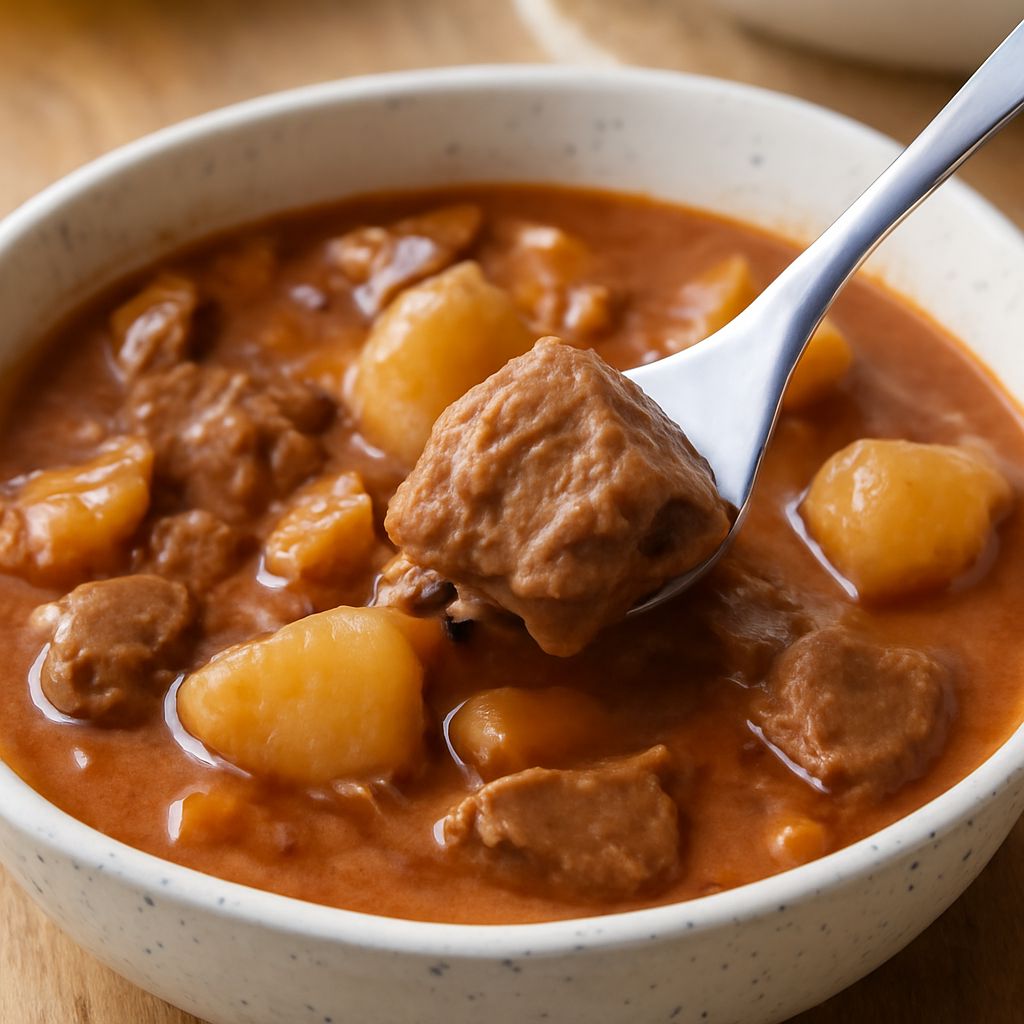
When making a complete pot of soup rather than pure stock, simmer beef soup bones with meat directly in the soup liquid with vegetables. The marrow adds richness to the broth as it cooks. Remove the bones after two to three hours, strip any remaining meat, and return the meat to the pot. Add fresh vegetables in the last hour for the best texture. This single-pot method makes a nourishing, complete meal from minimal ingredients.