If you want to add real depth to your cooking, gochujang sauce delivers smoky, spicy, and slightly sweet heat that goes far beyond ordinary hot sauces. This fermented chili paste-based condiment has been a fixture in Korean kitchens for centuries, and now it belongs in yours. Whether you’re following a gochujang sauce recipe for the first time or you’ve worked with go chu jang sauce before, the payoff is always worth it.
From drizzling it over steamed rice to using it as a gochujang sauce for bibimbap, the applications are almost endless. It even works as a base for a punchy bi bim bap sauce that ties the whole bowl together. Let’s break down what makes this sauce special and how to use it confidently.
What Is Gochujang and Why Does It Matter?
Gochujang is a Korean fermented chili paste made from red chili powder, glutinous rice, fermented soybeans, and salt. The fermentation process can take months, building a layered flavor that’s spicy, savory, and mildly sweet. When you thin it into a sauce, that complexity carries through beautifully.
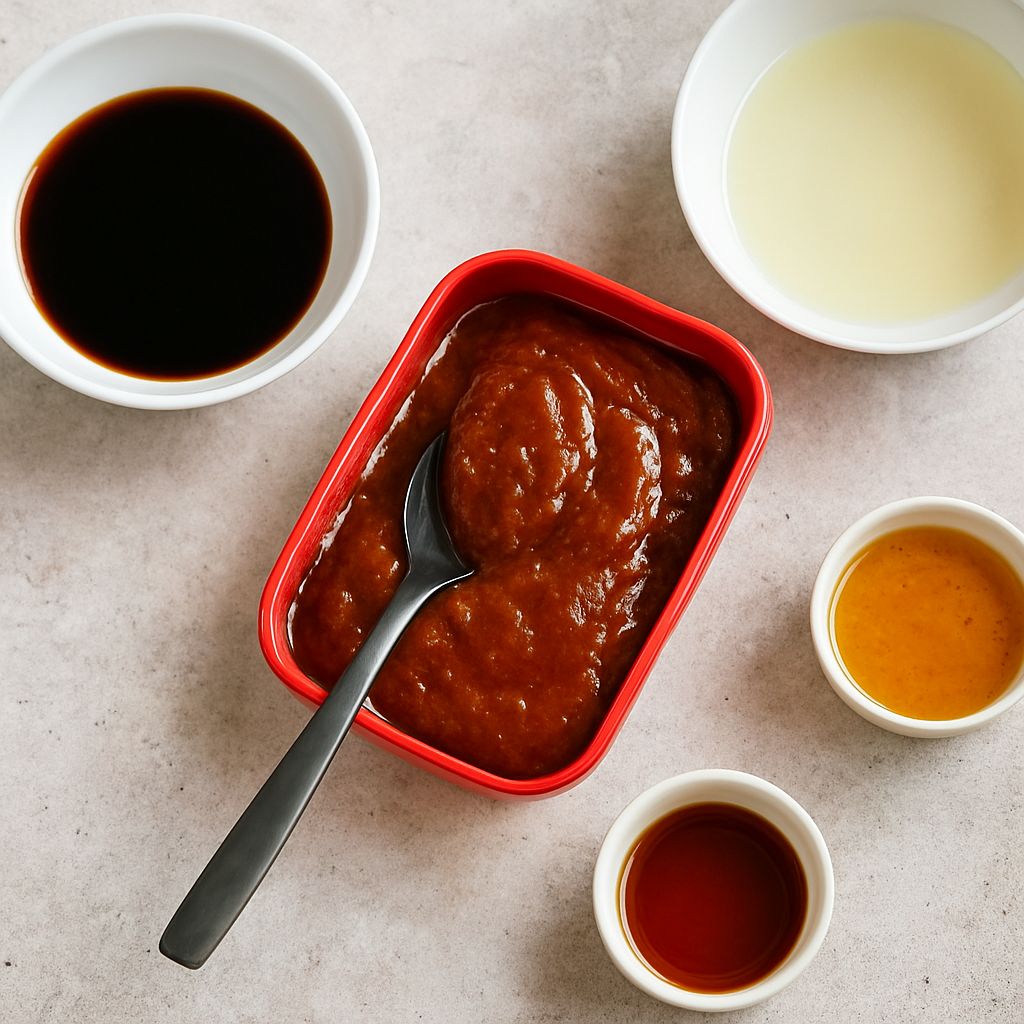
The paste itself has a thick, sticky texture. Turning it into a pourable sauce means adding a few simple ingredients: sesame oil, soy sauce, rice vinegar, garlic, and a touch of honey or sugar. Each element does a job. The vinegar cuts the richness. The sesame oil adds nuttiness. The garlic sharpens everything.
How to Make a Classic Gochujang Sauce Recipe
Base Ingredients
To make a solid gochujang sauce recipe, start with these proportions:
- 3 tablespoons gochujang paste
- 1 tablespoon soy sauce
- 1 tablespoon sesame oil
- 1 tablespoon rice vinegar
- 1 teaspoon honey or brown sugar
- 2 cloves garlic, minced
- 1–2 tablespoons water to adjust consistency
Whisk everything together until smooth. Taste and adjust heat or sweetness as needed. The whole process takes about five minutes.
Customizing the Heat Level
Not everyone tolerates the same spice level. If you want to dial back the fire, reduce the gochujang and add more honey. For more heat, skip the sugar entirely and add a pinch of Korean red pepper flakes. Your chili sauce should work for you, not against you.
Using Go Chu Jang Sauce in Everyday Cooking
The versatility of go chu jang sauce is one of its biggest advantages. You can use it as a marinade for grilled chicken, a dipping sauce for dumplings, a glaze for roasted vegetables, or a stir-fry base. Each use brings a distinct hit of umami and heat that transforms the dish.
Try tossing cooked noodles in the sauce with shredded cucumber, julienned carrots, and a soft-boiled egg. That combination alone shows how far this chili condiment goes in weeknight cooking.
Gochujang Sauce for Bibimbap: Getting It Right
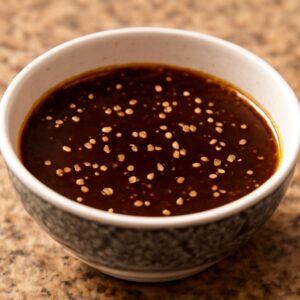
Bibimbap, the Korean mixed rice bowl, traditionally comes with a spicy sauce served on top or on the side. The standard gochujang sauce for bibimbap is a bit richer and slightly sweeter than the all-purpose version. You add sesame seeds, a touch more sugar, and occasionally a small amount of toasted sesame oil.
Mix gochujang with soy sauce, sesame oil, sugar, rice vinegar, and minced garlic. Stir in toasted sesame seeds. The result coats each ingredient in the bowl evenly, pulling together the rice, vegetables, and protein into one cohesive bite.
Building the Perfect Bi Bim Bap Sauce
The classic bi bim bap sauce has a slightly more fluid texture than the all-purpose version so it spreads through the bowl easily when you mix everything together. Some recipes also include a small amount of ginger for brightness.
Serve this spicy Korean rice sauce in a small side dish at the table, or spoon it directly over the assembled bowl before your guests mix it in. The key is balance: enough heat to wake up the palate, enough sweetness to keep it approachable. Your personal bi bim bap condiment should hit both notes.
Storage and Shelf Life
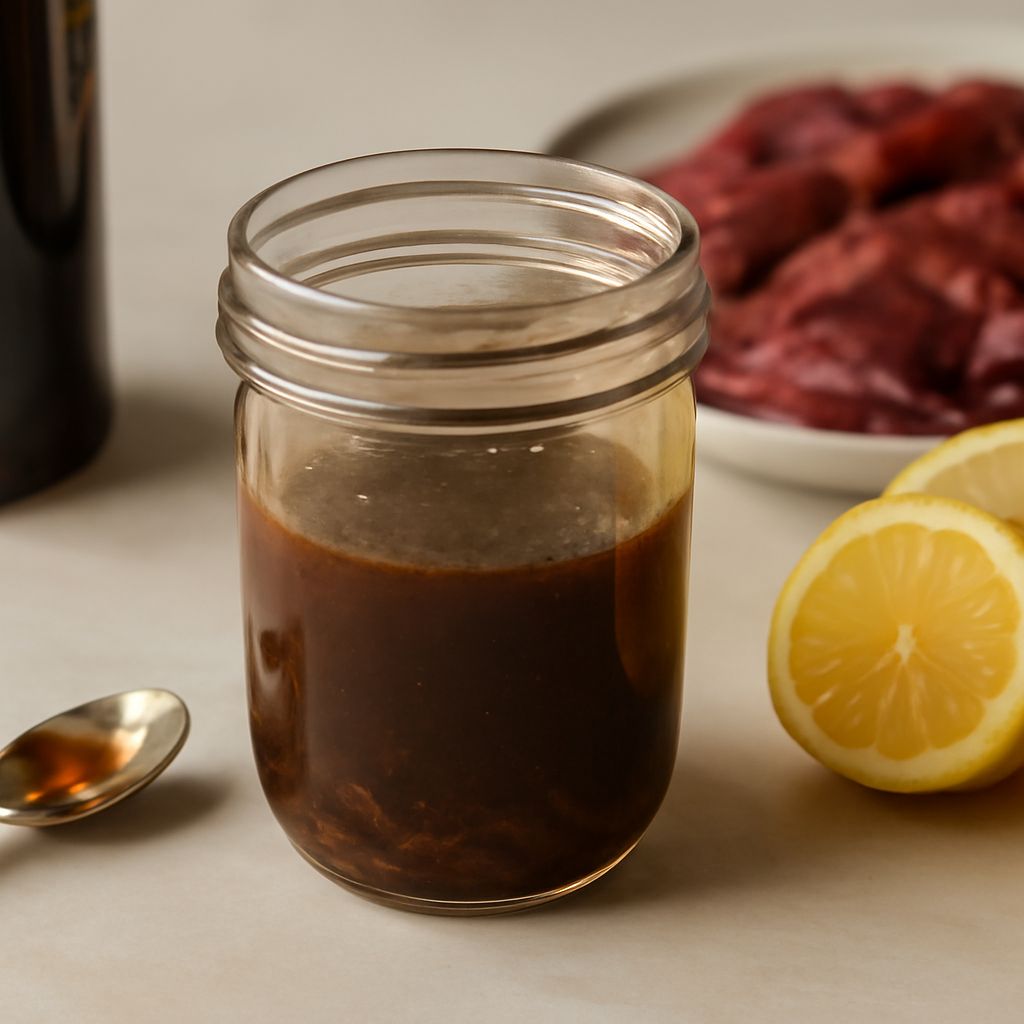
Homemade gochujang sauce keeps well in a sealed jar in the refrigerator for up to two weeks. The acidity from the vinegar helps preserve it. Stir before each use because the oil and paste can separate slightly over time. Avoid leaving the sauce at room temperature for extended periods.
Next Steps
Start by making a small batch of the base recipe and tasting it straight. Then try it on rice, then on grilled protein, then in a full bibimbap bowl. Each use teaches you how the sauce behaves with different textures and temperatures, and you’ll quickly develop a feel for when to adjust the sweet, sour, or heat components to fit the dish.