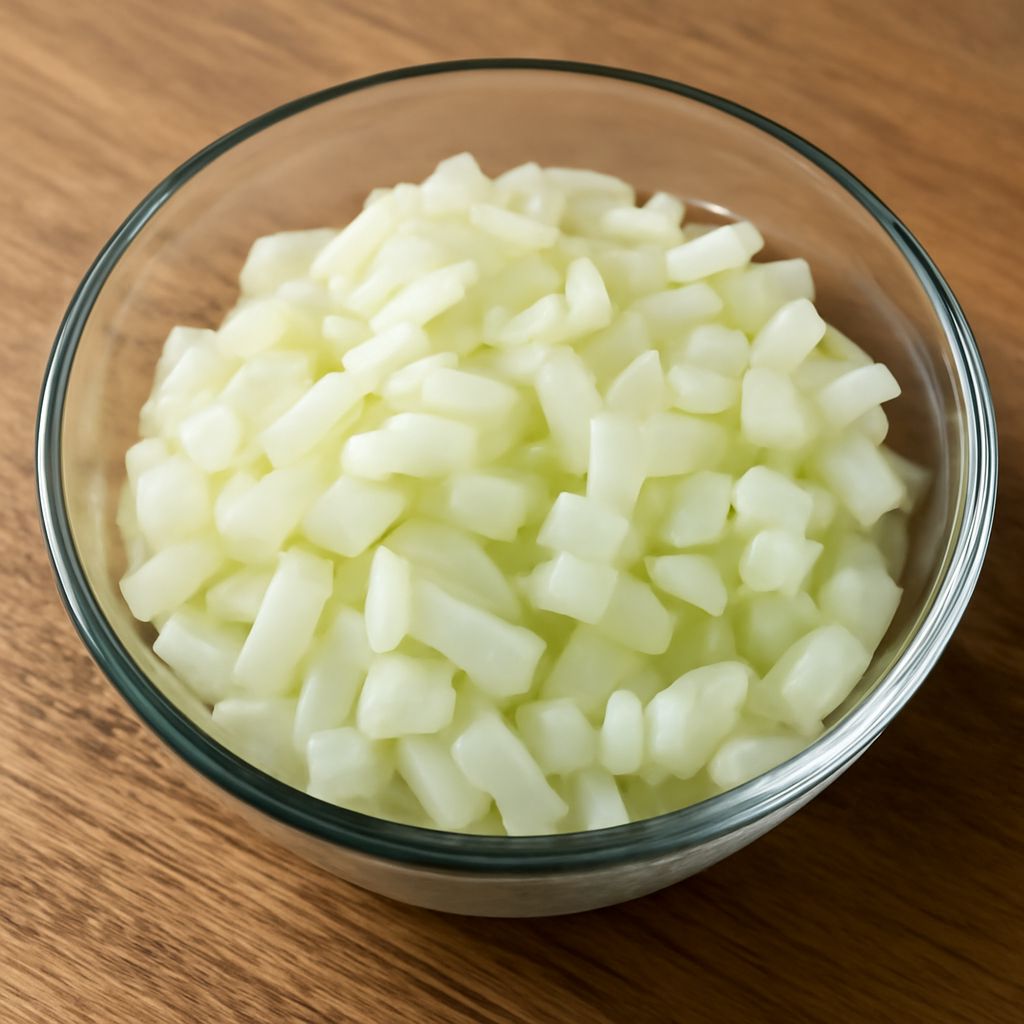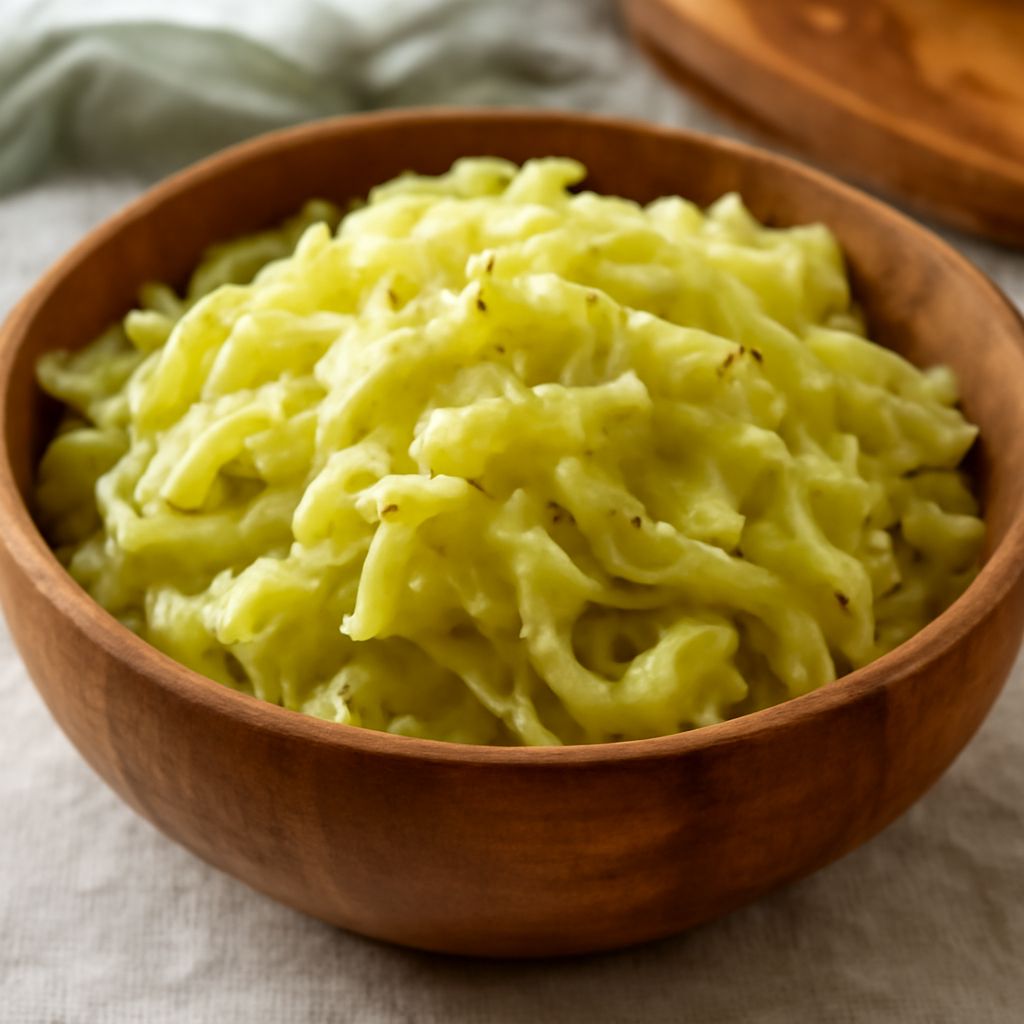
A hot skillet can turn a heap of sliced green cabbage into a tender, savory side in about 15 minutes. As the cabbage cooks, its crisp leaves soften and their natural sweetness comes forward. Cooking fresh cabbage this way also gives some pieces golden edges, bringing a little extra flavor to the plate.
This sauteed cabbage recipe uses a short list of ingredients and a wide pan. You can serve it alongside roast chicken, pork chops, beans, or a skillet of cornbread. The trick is to give the leaves room to meet the hot surface, then stop when they are as tender as you like.
What you need
This easy cabbage recipe makes about four side-dish servings. This recipe for sauteed cabbage uses a medium head. You will use roughly half of it.
- 1 1/2 pounds green cabbage, about 6 cups sliced
- 2 tablespoons olive oil or another neutral cooking oil
- 1 tablespoon unsalted butter
- 1 small yellow onion, thinly sliced
- 2 garlic cloves, minced
- 1/2 teaspoon kosher salt, plus more to taste
- 1/4 teaspoon freshly ground black pepper
- 1 tablespoon apple cider vinegar, plus more to taste
- 2 tablespoons water, if needed
A 12-inch skillet gives the vegetables space to brown. If yours is smaller, cooking the cabbage in two batches helps it brown; return both batches to the pan before adding the vinegar. A crowded pan traps steam, so the leaves soften before they have much chance to color.
The butter rounds out the flavor, while oil gives you enough fat to coat the vegetables. For a dairy-free version, use another tablespoon of oil in place of the butter. The vinegar goes in at the end, where its sharpness can brighten the sweet, buttery leaves.
Prepare the cabbage
Remove any damaged outer leaves and rinse the head under running water. Cut it in half through the core. Set one half cut-side down, slice out the hard triangular core, and cut the leaves into strips about 1/4 inch wide. Save the other half for another meal.
Separate any tightly packed strips with your fingers. Pieces of similar width will become tender at about the same time. Thicker ribbons stay pleasantly firm; very fine shreds soften faster, so watch them closely.
Dry the leaves well after rinsing. Water clinging to them lowers the pan temperature and creates more steam. Use a clean towel or salad spinner. Slice the onion and mince the garlic before heating the pan, because once you begin, the garlic needs your attention.
Cooking Cabbage in a Skillet
If you’ve wondered how to saute cabbage without losing its texture, keep the heat at medium to medium-high and taste as you go. Here’s the sequence:
- Heat the oil and butter in the skillet over medium heat. When the butter has melted and begins to foam, add the onion and a small pinch of the measured salt. Cook for 3 to 4 minutes, stirring occasionally, until softened.
- Add the garlic and stir for about 30 seconds, just until fragrant. If it starts to darken quickly, lower the heat before adding the leaves.
- Add the cabbage and remaining salt in handfuls. Turn each handful through the fat with tongs; the pile will shrink as it heats. Add the pepper.
- Raise the heat to medium-high and cook for 8 to 12 minutes, turning every minute or two. Let the leaves rest briefly against the pan between turns so some edges can brown. If they threaten to scorch before softening, lower the heat and add up to 2 tablespoons water.
- Turn off the heat and stir in the vinegar. Taste a thicker piece. Add salt, pepper, or another small splash of vinegar as needed, then serve.
The time for cooking sliced cabbage depends on slice thickness and stove heat. Cabbage cooked properly should bend easily and still have a little bite at the thicker ribs. For softer leaves, cover the pan after adding the water and cook for another 2 to 3 minutes, checking occasionally. Uncover at the end to let excess moisture evaporate.
Reading the pan
How do you cook cabbage so it browns without burning? Listen for a gentle sizzle and look for light golden patches. If the pan falls quiet and liquid gathers at the bottom, the vegetables are steaming. Spread them out, raise the heat a little, and let the moisture cook away before stirring again.
If you see dark spots appearing within seconds or smell scorched garlic, the heat is too high. Move the skillet off the burner briefly, turn the heat down, and stir. Add a spoonful of water if the pan is dry and the leaves still need time. Burned garlic tastes bitter, so remove any blackened bits you can see.
When cooking cabbage on stove burners with uneven heat, move the skillet around occasionally and turn the leaves from the outside toward the center. It is tempting to stir constantly, but a short pause lets the flat surfaces pick up color.
Taste the cooked green cabbage for salt after it wilts: its volume changes considerably. If the finished dish tastes flat, try a pinch of salt first, then a few drops of vinegar. The acid should wake up the flavor without making the vegetables taste like a pickle.
Make it your own
Many green cabbage recipes take well to a smoky accent. Recipes for green cabbage often use bacon fat for that depth. Cook two chopped bacon strips in the skillet first, remove them when crisp, and use about 2 tablespoons of the rendered fat in place of the oil and butter. Add the bacon back at the end. Taste before adding the full amount of salt, since bacon brings some of its own.
For a little warmth, add a pinch of red pepper flakes with the garlic. Smoked paprika is another good companion; stir in 1/4 teaspoon just before the leaves go into the pan. A spoonful of water will help loosen any spice that sticks. A squeeze of lemon can stand in for the vinegar if that is what you have.
Among cabbage side dish recipes, this skillet preparation fits many meals. Pair it with baked chicken and rice, spoon it next to black-eyed peas, or serve it with pork chops and mashed potatoes. Its sweetness balances a peppery main dish.
A green cabbage recipe can also become a simple lunch. Fold warm white beans into the skillet for the final few minutes, adding a little water if the mixture looks dry. Finish with vinegar and serve over rice. Heat the beans through, turning gently.
Choosing, storing, and reheating
Choose a firm, heavy head with crisp leaves. A few loose outer leaves are normal, but avoid one with extensive dark or slimy patches. Once cut, wrap the remaining half and refrigerate it; trim the cut face if it dries out before your next meal.
Refrigerate the cabbage once cooked in a covered container within two hours and eat it within 3 to 4 days. Reheat the cabbage after cooking, using a skillet over medium-low heat, stirring until hot throughout. A tablespoon of water can keep the edges from drying out; leave the lid off near the end if there is too much liquid. You can also microwave a portion in a covered microwave-safe dish, stirring partway through.
The best cooked cabbage is the texture you enjoy. For a firmer result, start tasting at eight minutes; for a softer one, add a little water and give it a covered finish. Those choices make cabbage recipes easy to adapt to the rest of the meal.
Questions from the stove
How can you cook cabbage if you only have a small pan? Work in two batches. Divide the fat, onion, garlic, and leaves between them, then combine the batches to season. Each portion gets contact with the pan, and the first can wait on a plate while the second cooks.
Can you make a recipe for cooked cabbage ahead? Yes. Slice the vegetables earlier in the day and refrigerate them covered. Cook shortly before serving for the best contrast between tender centers and browned edges, or reheat a finished batch as described above.
How to cook green cabbage with more bite? Cooking the cabbage in wider strips helps retain a bite; begin checking after eight minutes. The ribs should be warm all the way through but offer gentle resistance when bitten. If they are still raw and hard, give them another minute or two.
Are sauteed cabbage recipes suitable for red cabbage? A recipe for sauteed red cabbage follows the same method, though the leaves may take longer to soften and color the other ingredients. Keep the vinegar: its acidity helps preserve the bright color.
How should you cook cabbage if it turns out watery? If liquid pools under the leaves and there is little browning, uncover the skillet, spread the leaves out, and cook over medium-high heat until the liquid evaporates. For the next batch, dry the sliced cabbage thoroughly and use a wider pan or cook in batches.