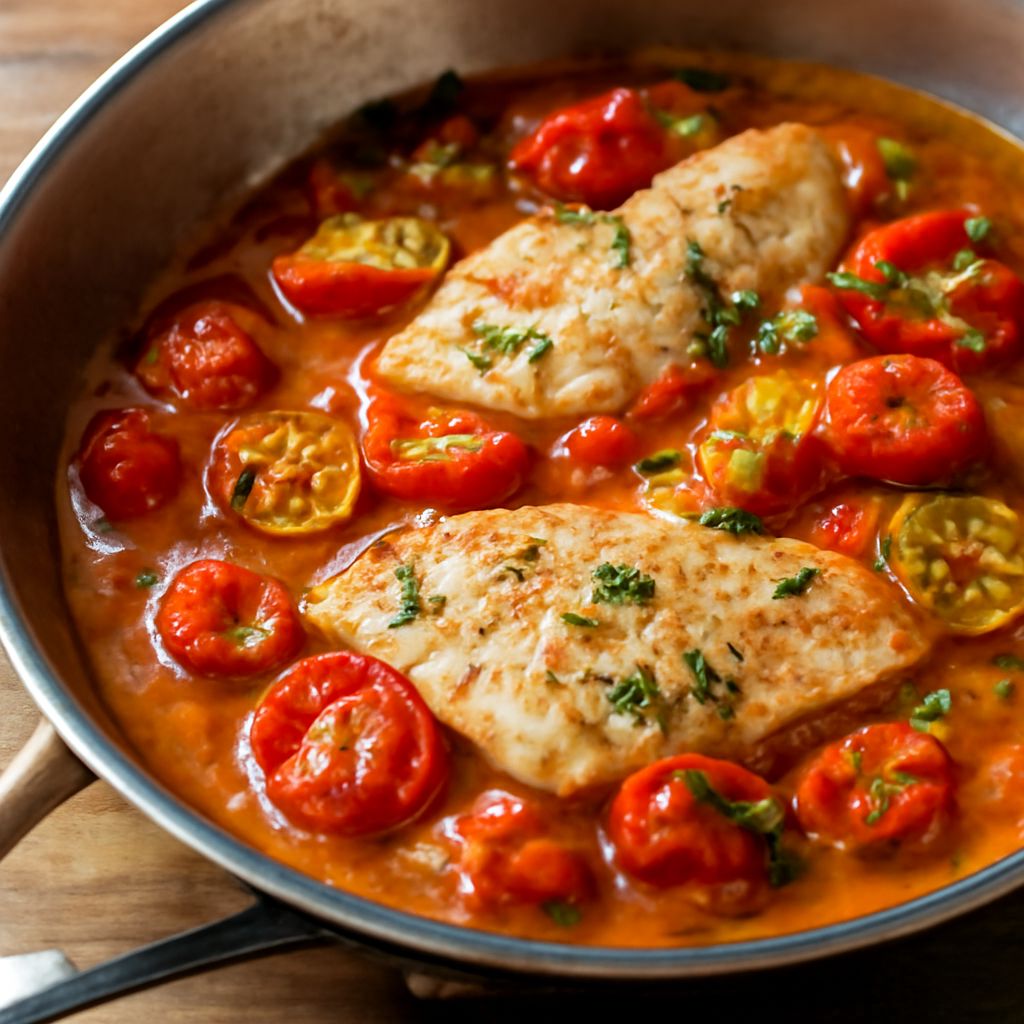
A tender fillet with lemon, butter, and a touch of paprika can be on the table in about 20 minutes. When you cook tilapia in a hot oven, the key is to watch its thickness and check the center before it dries out. Thin portions finish quickly, while a thick piece needs a little more time.
This recipe serves four and uses ingredients you may already have. You’ll find a starting time below, along with a reliable temperature check and simple ways to season the fish. Add rice and greens, and dinner is ready.
Tilapia in Oven: Temperature and Timing
Set the oven to 400°F. For thawed fillets about 1/2 to 3/4 inch thick, the time needed to bake tilapia starts at 10 minutes; many will take 10 to 15 minutes. A thicker tilapia fillet may take longer to bake. An instant-read thermometer takes the guesswork out of deciding when to serve: the thickest part should reach 145°F.
How long to bake tilapia depends on the actual fillet, not just the oven setting. Fish of uneven thickness can finish at different times, even on the same sheet. Check the smaller pieces first and move any that reach temperature to a clean plate while the rest continue to cook.
As the fish cooks, the flesh turns opaque and separates into flakes when nudged gently with a fork. These visual clues are helpful, but a thermometer is the dependable check for the center. Insert the probe into the thickest section, avoiding the baking dish, and wait for the reading to settle.
Ingredients for four
- Four thawed tilapia fillets, about 5 to 6 ounces each
- 1 1/2 tablespoons unsalted butter, melted
- 1 tablespoon olive oil
- 1 tablespoon lemon juice, plus wedges for serving
- 2 garlic cloves, minced
- 1/2 teaspoon paprika
- 1/2 teaspoon kosher salt, plus more to taste
- 1/4 teaspoon black pepper
- 1 tablespoon chopped fresh parsley, optional
The butter gives the mild fish a rounded flavor; oil helps distribute it across the fillets. Lemon brightens the finished dish. If you prefer, use 2 1/2 tablespoons olive oil in place of the butter.
To prepare baked tilapia in your oven, choose a shallow dish or rimmed sheet large enough to hold the fish in one layer. A dish catches the lemony juices for spooning over rice; a sheet makes lifting individual fillets easy. Lightly oil either surface or use parchment rated for the oven temperature.
Prepare the fish
When deciding how to bake a tilapia fillet, keep the fish refrigerated until ready to cook. Pat the fillets dry with paper towels so the seasoning stays on the surface. Place them on the prepared pan with a little room between each piece. If one has a very thin tail, fold the end underneath so it is closer to the thickness of the center.
For a simple tilapia bake, stir the melted butter, oil, lemon juice, garlic, paprika, salt, and pepper in a small bowl. Brush or spoon the mixture over the fish. Use a clean spoon to move any unused sauce onto the pan; discard sauce that has touched raw fish rather than saving it for the table.
Wash your hands, the counter, and utensils after handling raw fish. Keep the finished meal on a clean plate.
Bake and serve
- Heat the oven to 400°F and place a rack in the middle. Arrange the seasoned fillets in one layer in the prepared dish or on a rimmed sheet.
- Bake uncovered. Begin checking after 10 minutes for fillets around 1/2 to 3/4 inch thick. Avoid opening the oven repeatedly during the first few minutes, while the pan comes back to temperature.
- Insert an instant-read thermometer into the thickest part of a fillet. The target is 145°F. Check more than one if their thicknesses differ.
- If a fillet is below temperature, return it to the oven and check again after a couple of minutes. Transfer each finished piece to a clean serving plate.
- Sprinkle with parsley and serve with lemon wedges. Spoon the hot pan juices over the fish and rice if you like.
Once you know how to bake tilapia in the oven, you can adjust the seasonings without changing the basic method. To bake a tilapia fillet in the oven, follow the same temperature check. The FoodSafety.gov temperature chart lists 145°F for fish. A fork can show you the texture, while the thermometer measures whether the thickest part has reached that point.
When baking tilapia, keep the pieces separate so heat reaches their surfaces. To cook tilapia in your oven evenly, arrange the fillets in one layer. A crowded dish can make it difficult to remove a thin fillet while a thicker one finishes. Slide a wide spatula under the fish to support the flakes.
Adjust for thickness and your pan
The useful answer to how long to bake tilapia is a range. The cooking time for tilapia baked in the oven changes with thickness. At 400°F, a thin portion may be ready near the beginning of the 10-to-15-minute window, and a thick center may need longer. Set a timer for the early check of your oven-baked tilapia rather than waiting for the maximum. Once the fish reaches 145°F, take it out promptly.
A thermometer with a narrow tip makes testing small fillets easier. Insert it sideways if the piece is too thin for the tip to sit in the center from above. Avoid measuring only at the edge, where the fish heats faster. If the reading seems unusually high, reposition the probe in the thickest part and check again.
For tilapia oven temperature control, preheat fully before adding the pan. A glass or ceramic dish may heat differently from a thin metal sheet, and an oven’s actual temperature can vary. Use the clock as your reminder to check and the thermometer as the final guide.
When learning how to bake fish, tilapia included, pay attention to uneven thickness. If the edges cook much faster than the middle, fold thin ends under before seasoning. You can also select fillets of similar thickness or arrange smaller ones together, making them easy to lift out first. These small adjustments help the whole platter reach the table in good condition.
Ideas for seasoning and sides
Some tilapia oven recipes lean on herbs, while others use a warm spice blend. For another oven recipe using tilapia, choose a green, fresh flavor: replace paprika with 1/2 teaspoon dried thyme and add chopped parsley after baking. If you enjoy a little heat, stir a pinch of cayenne into the butter. Start lightly: the fish has a delicate flavor.
A little smoked paprika brings a deeper, savory note to a recipe for oven-baked tilapia. For a brighter finish, add finely grated lemon zest just before serving. Lemon juice is best added in the measured amount before cooking or squeezed on at the table; a large pool of liquid can dilute the seasoning.
Serve the fillets with steamed rice and sautéed greens, or add roasted sweet potatoes and a crunchy slaw. A spoonful of the warm pan juices ties the rice to the fish. For a lighter plate, try a green salad and warm bread; keep the salad and its utensils separate from the raw fish during preparation.
For a crunchy topping, scatter a tablespoon of seasoned breadcrumbs over each fillet before it goes into the oven. Mix the crumbs with a little oil first so they color evenly. The topping should be golden and the center should still reach 145°F; check the fish underneath the crumbs with your thermometer.
Frozen fillets and leftovers
Thaw frozen tilapia in the refrigerator, following the package directions, before using the timing in this recipe. Place it in a container to catch drips and keep it separate from ready-to-eat food. Follow any package directions concerning its sealed wrapping during thawing. Pat the thawed fish dry before seasoning.
If the package gives instructions for cooking from frozen, follow those directions and use a thermometer to check the center. The time needed to bake frozen tilapia is longer, and portion shapes and thicknesses vary, so the timing above for thawed fish is not a reliable guide. Check the thickest piece rather than relying on the outside alone.
Refrigerate cooked fish in a shallow covered container within two hours, or within one hour when the air temperature is above 90°F. Eat leftovers within 3 to 4 days. Reheat to 165°F; a covered dish with a spoonful of water helps keep the fish moist. Break leftovers into a rice bowl or wrap after reheating, adding a little lemon for freshness.
If the fillet feels dry and breaks into hard flakes, it has likely spent too long in the oven. Serve it with a spoonful of warm pan juices, then check the next batch several minutes earlier and remove each piece as soon as its thickest part reaches 145°F.