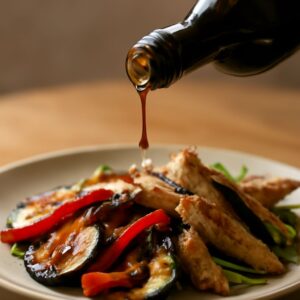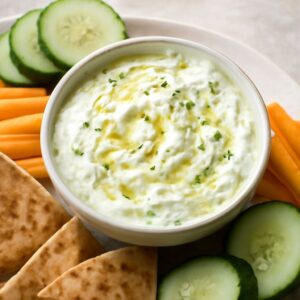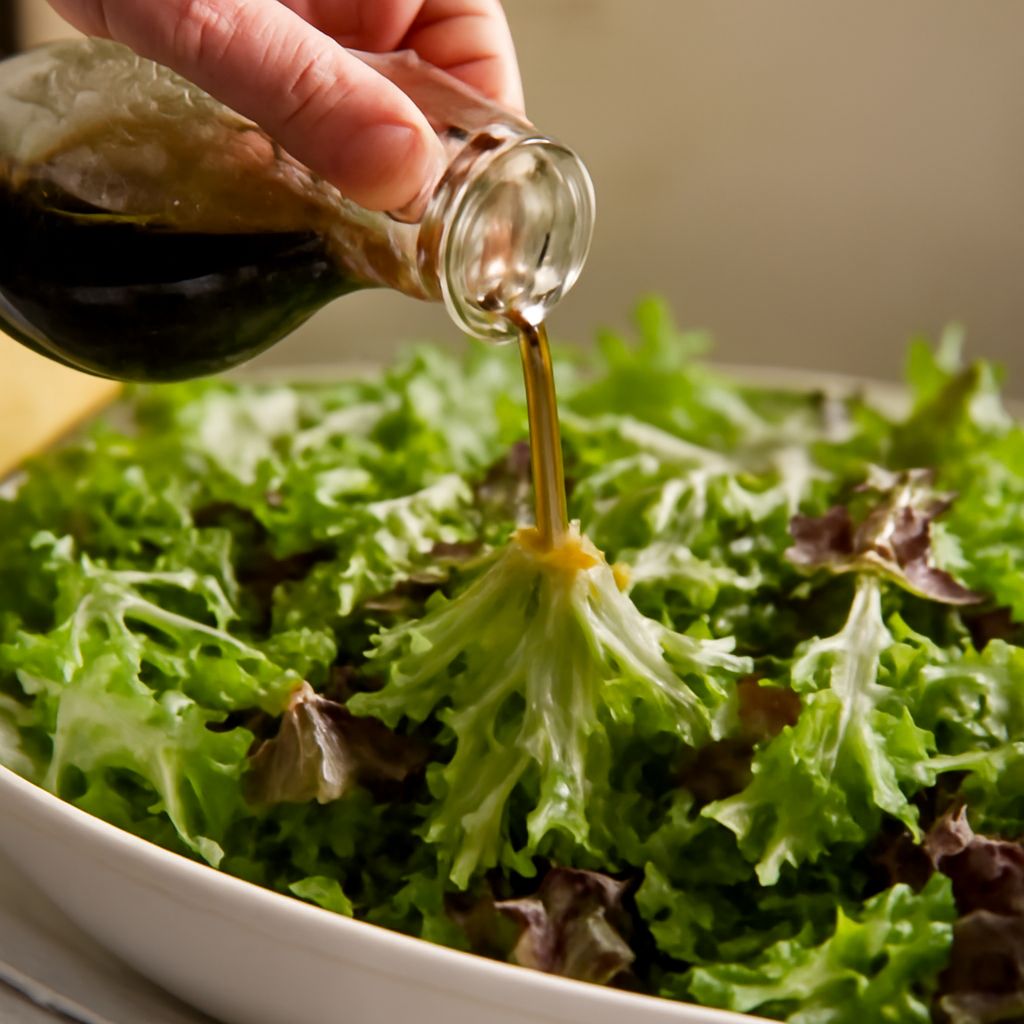
Balsamic vinaigrette has long been celebrated for its rich flavor and versatility in transforming simple meals into gourmet experiences. Whether you’re drizzling it over salads or using it as a marinade, this dressing elevates culinary creations with ease. Making a homemade balsamic vinaigrette is not only simple but also allows you to customize the flavor, ensuring a perfect match for your taste preferences.
By mastering the art of creating balsamic vinegar dressing, you open the door to endless possibilities in your cooking adventures. This guide will walk you through everything you need to know to create and perfect your own balsamic salad dressing. Say goodbye to store-bought versions and embrace the fresh, vibrant taste of homemade goodness.
Understanding Balsamic Vinaigrette
Balsamic vinaigrette is a classic combination of balsamic vinegar and olive oil, often enhanced with herbs, garlic, and a touch of sweetness. Its origins trace back to Italy, where balsamic vinegar is a staple. When you make balsamic vinegar dressing, the blend of tangy and sweet flavors offers a delightful contrast, perfect for a range of dishes.
The quality of the balsamic vinegar affects the overall taste of the dressing. Traditional balsamic vinegar is made from cooked grape must and aged in wooden barrels, resulting in a rich, complex flavor. For everyday use, opt for a good quality commercial balsamic vinegar, which delivers a similar depth without the hefty price tag.
Benefits of Homemade Balsamic Vinaigrette
Creating your own balsamic vinaigrette ensures you avoid unnecessary additives and preservatives often found in store-bought versions. This not only makes for a healthier option but also allows you to control the ingredients, enhancing flavor and nutritional value.
Moreover, a homemade balsamic salad dressing can be tailored to suit dietary preferences, whether you’re aiming for low sodium, gluten-free, or vegan options. The flexibility to adjust the sweetness, acidity, and seasoning ensures that it complements any dish perfectly.
How to Make Balsamic Vinegar Dressing
To make a basic balsamic vinegar dressing, start with a simple ratio: three parts oil to one part vinegar. Combine them in a jar or bowl, then whisk or shake until emulsified. For a traditional touch, use extra virgin olive oil, which adds depth and richness.
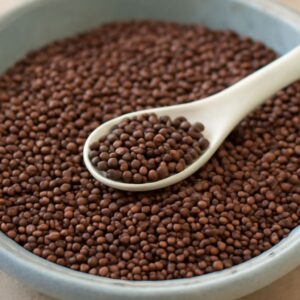
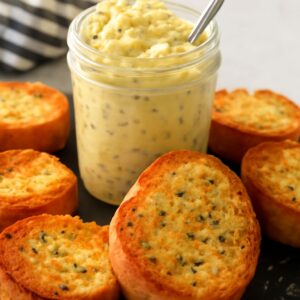
Add a pinch of salt and pepper for seasoning. To enhance the flavor profile, consider incorporating mustard, honey, or maple syrup. Fresh herbs like basil or thyme, along with minced garlic, provide a burst of freshness. Experimenting with these additions allows you to craft a dressing that perfectly suits your palate.
Tips for Perfecting Your Balsamic Salad Dressing
Achieving the ideal balance in your balsamic salad dressing is key. Start by tasting your balsamic vinegar; its sweetness and acidity will guide the adjustments needed. If the vinegar is too sharp, a little honey or sugar can mellow it out.
Ensure your ingredients are at room temperature for better emulsification. Whisking by hand or using a blender can help create a smooth, cohesive dressing. If you prefer a thicker consistency, try adding a bit of Dijon mustard, which also enhances flavor.
For storage, keep your dressing in the refrigerator in an airtight container. Shake it well before each use to re-emulsify the ingredients.
Key takeaways: Homemade balsamic vinaigrette offers unmatched flavor and customization. By mastering the basics, you can enjoy a healthier, preservative-free alternative to store-bought dressings, perfect for any dish.