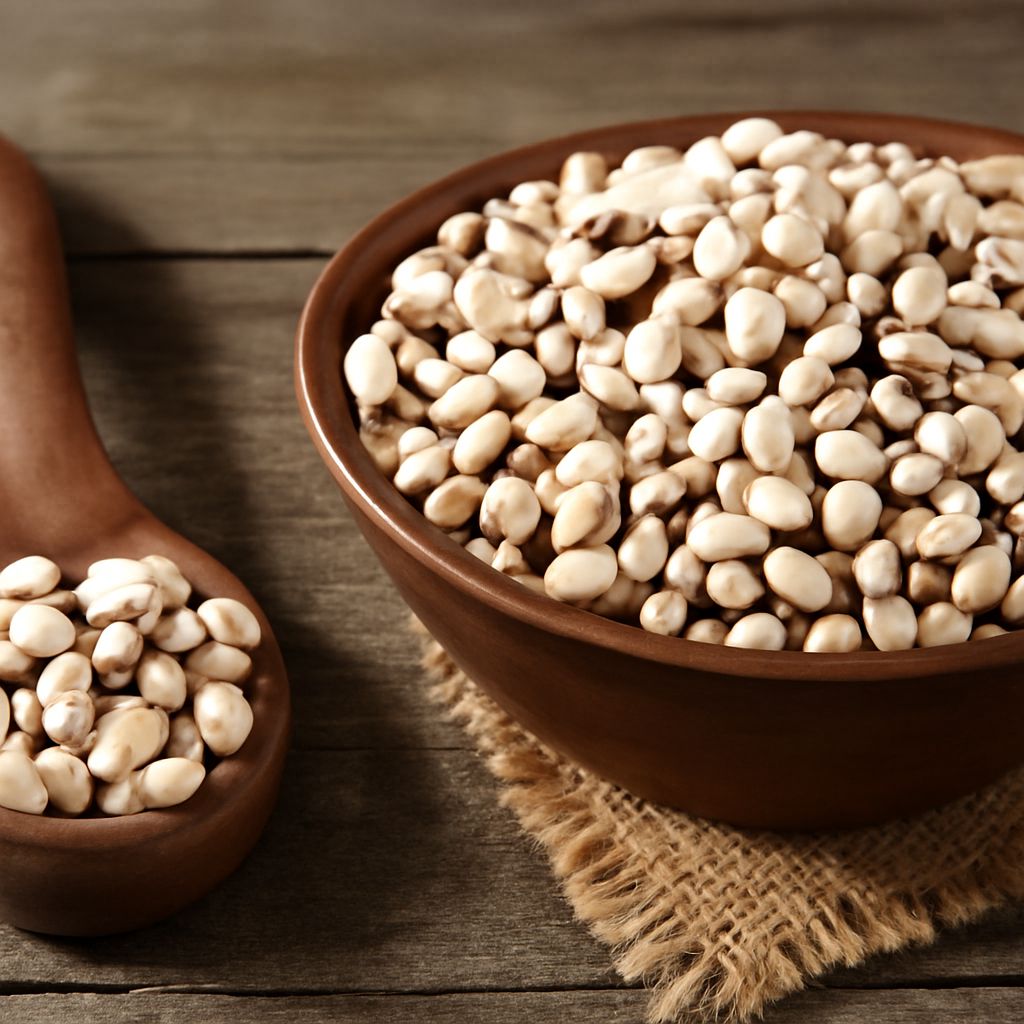
A spoonful of black-eyed peas on New Year’s Day can carry a wish for luck, a memory of a family table, and a very good meal all at once. Across the American South, the New Year tradition of serving these peas often comes with greens and cornbread. The peas are associated with coins, the greens with paper money, and the whole plate with hopes for a prosperous year.
This New Year’s tradition of black-eyed peas has deep connections to African American and Southern foodways, but its exact beginning is harder to pin down than the familiar meal. Here’s what the historical record tells us, which origin stories need care, and how to put together a welcoming plate of your own.
New Year’s Black Eyed Peas Tradition: What the Meal Means
The Library of Congress describes a Southern belief that black-eyed peas and greens eaten on January 1 bring good luck: the peas stand for coins and the greens for paper money. Some families add golden cornbread as a fitting companion. The associations are part of the pleasure of the meal; they express a wish, not a promise about anyone’s bank account.
For one household, the black eyed peas new years tradition might mean a large pot simmering all morning. For another, the lucky peas arrive on a small plate beside rice. Sharing them is often as meaningful as the symbolism, especially when a family member has been making the dish for years.
The new year’s black eyed peas tradition can be as simple as you like. You might serve the peas in their broth, spoon them over rice, or fold them into a rice dish. There is no need to force the table into a single pattern: ask the cook what the meal means in their family and you may hear a story as appealing as the food.
A food with roots across the Atlantic
Black-eyed peas are a variety of cowpea, a legume with a long history in African cooking. Culinary historian Michael W. Twitty describes black-eyed peas and other familiar crops as part of the foodways of Senegambia, a historical West African region. In his account for Mount Vernon, he traces their presence in Virginia to the late 17th century and discusses the influence of food knowledge carried by enslaved Africans and their descendants.
That history matters when discussing the black eyed peas new years tradition. The New Year custom of black-eyed peas draws on a much broader history. Enslaved people cultivated food, preserved knowledge, and shaped regional cooking under conditions of profound coercion. Their contributions deserve to be named when a plate is described as Southern.
The history of peas in the Americas predates the documented New Year’s black-eyed pea custom. A food can travel, become part of daily cooking, and later acquire a holiday association. The historical connection to West African foodways helps explain the ingredient’s place at the table; it does not establish one documented moment when the luck custom began.
Where Hoppin’ John fits
Hoppin’ John is a Lowcountry rice-and-pea dish often served for New Year’s good fortune. The South Carolina Encyclopedia identifies an 1847 recipe in Sarah Rutledge’s The Carolina Housewife that called for rice, bacon, and red peas. Red peas are cowpeas, related to black-eyed peas, but that early recipe is not evidence that every early version used today’s familiar black-eyed variety.
Modern New Year’s black-eyed pea dishes vary. Some cooks simmer rice and peas together; others prepare them separately and combine them before serving. Smoked pork may season the pot, while a vegetarian cook might use onion, garlic, smoked paprika, and vegetable broth for a savory depth of flavor. The rice should be tender, the peas creamy inside, and the seasonings balanced enough for both to be tasted.
The black eyed peas new years tradition can include Hoppin’ John, but a bowl of seasoned peas beside rice also belongs on a New Year’s table. Cooks make choices according to family practice, the ingredients available, and the number of people coming to dinner. A recipe is one way to share the holiday pea tradition.
What can we say about the origin stories?
One popular account links the New Year black-eyed pea custom to the Civil War, suggesting that peas left behind by Union troops helped feed Southerners. The story is widely repeated, and the Library of Congress includes a version in its overview of the food. It is a story about survival, but it should not be treated as proof that the holiday custom began at that moment. The longer history of African American foodways and the documentary record make a single, certain origin difficult to establish.
An oral-history record offers a more specific glimpse of practice. In a 1937 interview preserved by the Library of Congress, Josephine Bacchus of South Carolina described a New Year’s custom of cooking peas with hog jowl and eating some on the first day of the year. The interview records one person’s account of a practice; it does not tell us who first began it or how every household prepared the dish.
That distinction makes the black eyed peas new years tradition more interesting, not less. A documented recollection can show the New Year’s pea custom in use, while a later explanation may tell us what people came to believe about it. Both can be worth hearing, provided we know which kind of evidence we are holding.
Regional and family variations
On a South Carolina Lowcountry table, a rice-and-pea preparation may be the center of the meal. Elsewhere, black-eyed peas for New Year’s might arrive as a separate side dish, with collards, mustard greens, or cabbage nearby. The Library of Congress identifies the peas-and-greens pairing as a Southern custom; the exact dishes and seasonings change from home to home.
Pork is a familiar seasoning in many holiday pots of black-eyed peas, whether added as bacon, ham, or hog jowl. It brings salt and a smoky or savory richness, depending on the cut. Families that don’t eat pork can build a satisfying broth with aromatics, smoked spices, and a little oil. Taste before adding salt, especially if using salted broth or meat.
Cornbread catches the flavorful liquid left by New Year’s black-eyed peas. Some people prefer it sweet, others savory, and a crisp-edged skillet loaf is especially good for dipping. A spoonful of pepper sauce at the table lets each guest decide how much heat to add.
The black eyed peas new years tradition travels with families beyond the South, too. A cook far from home might use canned black-eyed peas for the New Year meal or call a relative for the seasoning proportions. Serving black-eyed peas at the start of the year can be a way to remember that connection while adapting the meal to a different kitchen.
Make a simple New Year’s plate
You don’t need an elaborate menu to participate in a New Year celebration with black-eyed peas. For four people, begin with two 15-ounce cans, drained and rinsed. Warm a tablespoon of oil in a saucepan, soften one small chopped onion, and stir in a minced garlic clove. Add the peas and about 1 cup of broth, then simmer gently for 10 to 15 minutes. Season with pepper and salt to taste.
Serve the New Year’s peas over rice or alongside greens. Add cornbread if you like, and offer hot sauce or vinegar at the table. Canned peas are already cooked, so the simmer is mainly for warming them and giving the broth time to pick up the aromatics. Add a splash more broth if the pan looks dry.
If you start with dried peas, check the package for soaking and cooking directions, since age and brand affect the time. Simmer until the centers are tender, then season to taste. Make the peas ahead if that makes the day more relaxed; refrigerate them promptly in a shallow covered container and reheat until hot throughout before serving.
For a vegetarian plate, use vegetable broth and check any additional seasonings for animal ingredients. For a richer pot, add a piece of cooked smoked ham to the simmer and adjust the salt at the end. A little vinegar can brighten either version.
The question behind the custom
Why eat black eyed peas on new years when there are so many celebratory foods to choose from? Why do people eat black-eyed peas at New Year? For many, the custom combines good-luck symbolism and family memory. Eating black eyed peas on new years can bring those meanings together around one table.
The black eyed peas new years tradition is also flexible enough to welcome a first-time cook. Whether you choose a pot of peas or a rice dish, learn whose traditions helped shape it. A meal becomes meaningful through the people who make it and share it.
Do you have to eat the peas at midnight? No. The Southern custom described by the Library of Congress centers on New Year’s Day, so enjoy your plate whenever it suits your gathering on January 1.