Silky, creamy, and bright, hollandaise sauce transforms simple dishes into restaurant-worthy fare. Whether you’re preparing eggs Benedict for brunch or elevating steamed asparagus, knowing what is in hollandaise sauce empowers home cooks to create this classic French sauce with confidence. Even better, quick hollandaise sauce techniques and a handful of essential ingredients mean you can enjoy this rich condiment in minutes.
Understanding hollandaise sauce ingredients not only demystifies the method but also equips you to troubleshoot, adapt, and impress. This guide walks you through classic hollandaise sauce ingredients, explores simple twists for quick hollandaise sauce, and shares trusted tips for hollandaise sauce easy mastery in your own kitchen.
What is in Hollandaise Sauce?
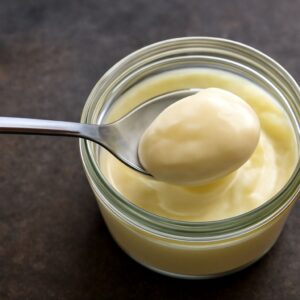
Hollandaise sauce is one of the five French mother sauces, celebrated for its smooth, velvety texture and bright, lemony flavor. At its core, hollandaise is an emulsion sauce, meaning it blends fat and liquid into a cohesive mixture. The traditional recipe centers around a few key pantry staples, all working together to create that signature richness and subtle tang.
To answer the question “what is in hollandaise sauce,” start with the basics: egg yolks provide structure and contribute a luscious mouthfeel, while butter delivers creaminess and a gentle sweetness. Lemon juice brings acidity, balancing the richness and giving hollandaise its refreshing finish. A touch of salt rounds out the flavors. Some cooks add a hint of cayenne or white pepper for gentle warmth, but the classic lineup keeps it simple.
These hollandaise sauce ingredients are gently heated together—often over a double boiler—to prevent curdling and achieve a thick yet pourable consistency. Mastering the balance between temperature, whisking, and ingredient ratios is key to a perfect result. With just these few components, you can prepare authentic hollandaise sauce at home.
Partial ingredient swaps or flavorings can lend more character, but understanding the essential building blocks is the foundation for every variation. Next, let’s break down each of the classic hollandaise sauce ingredients and their roles.
Essential Hollandaise Sauce Ingredients
The hallmark of hollandaise sauce easy recipes is simplicity—and the classic ingredient list proves it. First, egg yolks are vital, acting as the main emulsifier. Three large yolks suffice for a batch serving four. It’s important to separate yolks from whites carefully, as even a little egg white can affect the sauce’s texture.
Butter is the second star of the show. Traditionally, unsalted butter is melted and clarified, removing milk solids for a smoother finish. This makes it easier to blend gradually into the yolks. For hollandaise sauce easy preparation at home, using melted whole butter works just as well, though it adds a slightly different flavor profile.
Lemon juice is indispensable for hollandaise sauce ingredients. It not only brightens the sauce but also helps stabilize the emulsion. Freshly squeezed is best, but in a pinch, bottled juice can work. Don’t forget a pinch of salt to enhance all the flavors—many chefs also recommend a dash of white pepper or cayenne for subtle complexity.
These ingredients are gently whisked together, usually over low heat or in a bowl set over simmering water, until thickened. This method ensures the eggs cook safely without scrambling. The result is the golden, creamy hollandaise that graces everything from poached eggs to roasted vegetables.
Quick Hollandaise Sauce: Easy Variations
For busy mornings or when you crave hollandaise sauce easy, there are several speedy adaptations that capture the essence of the original. Many home cooks opt for the blender method: simply combine egg yolks, lemon juice, and salt in a blender, then drizzle in hot melted butter while blending. This rapid technique yields a stable emulsion in less than five minutes, making it a go-to for quick hollandaise sauce on weekdays.
Quick hollandaise sauce doesn’t stop at method—ingredient tweaks can add interest or accommodate dietary needs. Swapping some of the butter for light olive oil creates a lighter version, while adding herbs like tarragon or chives personalizes the flavor. For a dairy-free take, use vegan butter substitutes; the emulsion process remains the same.
Partial substitutions and additions can make your hollandaise sauce ingredients more dynamic. Try infusing the butter with shallots or a few peppercorns before melting. A splash of white wine vinegar in place of or alongside lemon juice adds another layer of acidity. These quick hollandaise sauce tricks let you adapt the classic to your taste and time constraints.
Remember, even with these shortcuts, the core hollandaise sauce ingredients—egg yolks, a fat source, acid, and salt—remain unchanged. What shifts is your method and any creative twists you introduce.
Tips for Hollandaise Sauce Easy Success
Perfecting hollandaise sauce easy at home is within reach for any cook. Start by assembling and measuring all hollandaise sauce ingredients before you begin. This ensures a smooth, uninterrupted process, essential for maintaining your emulsion.
Temperature control is critical. Whisk egg yolks over gentle heat, never rushing, to avoid scrambling. When adding melted butter, do so in a slow, steady stream, whisking or blending constantly. This gradual incorporation prevents the sauce from breaking and ensures a creamy, uniform texture.
If your sauce begins to separate, don’t panic. Whisk in a teaspoon of hot water or another yolk to help re-emulsify. Serving hollandaise immediately is best, but you can hold it warm (not hot) for up to an hour over a double boiler. Avoid direct heat, which can curdle the sauce.
Mastering hollandaise sauce ingredients in your own kitchen means you can add a touch of French elegance to everyday meals—without stress. With practice and these easy strategies, your quick hollandaise sauce will become a signature addition to brunches, dinners, and seasonal vegetables alike.