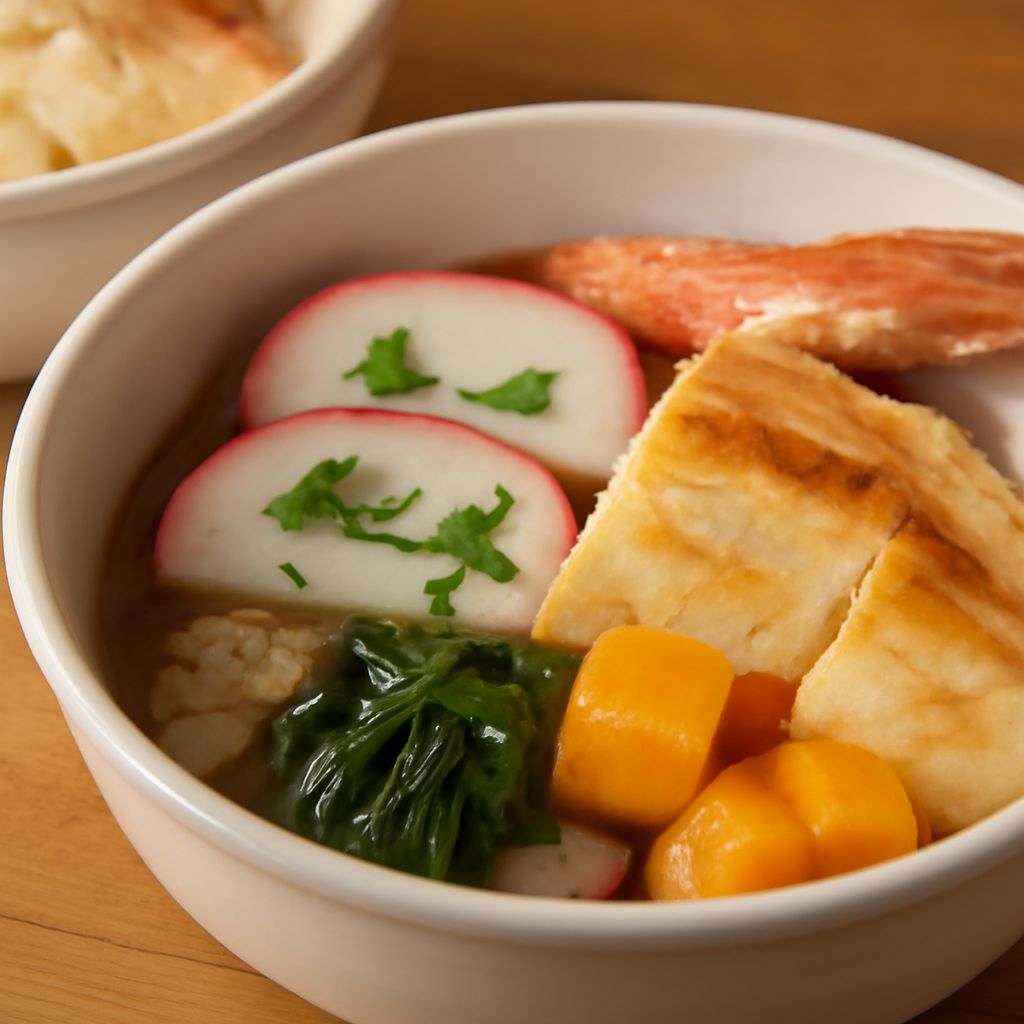
Welcome the new year with the delightful taste and tradition of Japanese New Year soup, known as Ozoni. This hearty dish combines savory mochi, fresh vegetables, and a flavorful dashi broth, embodying both cultural heritage and culinary satisfaction. Whether you’re looking to explore new flavors or reconnect with tradition, Ozoni offers a perfect blend of comfort and festivity, making it an ideal addition to your celebratory meals.
Incorporating Ozoni into your new year festivities can enrich your culinary experience while honoring time-honored rituals. The soup’s unique ingredients and preparation reflect the values and history of a culture that cherishes family and renewal. Dive into this delicious journey and discover how to make this traditional dish a part of your celebrations.
Introduction to Ozoni
Ozoni is more than just a dish; it’s a symbol of hope and prosperity for the coming year. Traditionally served on New Year’s Day, this soup offers a warm embrace of comfort and flavor. The Japanese New Year soup varies by region, with different families adding their unique touch. However, the core ingredients of mochi and dashi unite all versions, providing a rich and savory base.
Ingredients Needed
Preparing Ozoni requires a selection of fresh and quality ingredients. Here’s what you’ll need:
- 4 pieces of mochi
- 4 cups dashi broth
- 1 cup chicken breast, thinly sliced
- 1 cup shiitake mushrooms, sliced
- 1 carrot, thinly sliced
- 1 daikon radish, thinly sliced
- 1 cup Mizuna or spinach
- 2 tablespoons soy sauce
- Salt to taste
- Kombu (optional)
Step-by-Step Preparation
Creating this Japanese New Year soup at home is a rewarding experience. Follow these steps:
- Begin by preparing the dashi broth. If using kombu, soak it in water for a few hours before simmering.
- Add the sliced chicken breast to the broth and let it cook until tender.
- Stir in the mushrooms, carrots, and daikon, allowing them to simmer until they are soft.
- Season with soy sauce and salt, adjusting to taste.
- In a separate pot, cook the mochi until they are soft and gooey. Add them to the soup.
- Finally, add the Mizuna or spinach just before serving to retain their vibrant color.
Cultural Significance
Ozoni holds a cherished place in Japanese culture, symbolizing renewal and prosperity. Each ingredient carries a specific meaning; mochi represents strength and endurance, while the clear broth signifies a fresh start. Families gather to enjoy Ozoni, reflecting on the past year and welcoming new opportunities. This custom not only strengthens familial bonds but also connects individuals to their heritage and community.
Tips and Variations
To tailor the Japanese New Year soup to your taste, consider these variations:
- Experiment with different types of mochi for varied textures.
- Add seafood, like shrimp or scallops, for an oceanic twist.
- Explore regional variations by incorporating ingredients like taro or burdock root.
- Add a splash of sake for a richer flavor profile.
Remember, the beauty of Ozoni lies in its adaptability, allowing you to celebrate tradition while catering to your personal preferences.
Key takeaways: Ozoni is a delicious way to embrace the new year with traditional flavors and symbolic significance. Its adaptable nature allows for creative variations, ensuring a unique and enjoyable culinary experience.