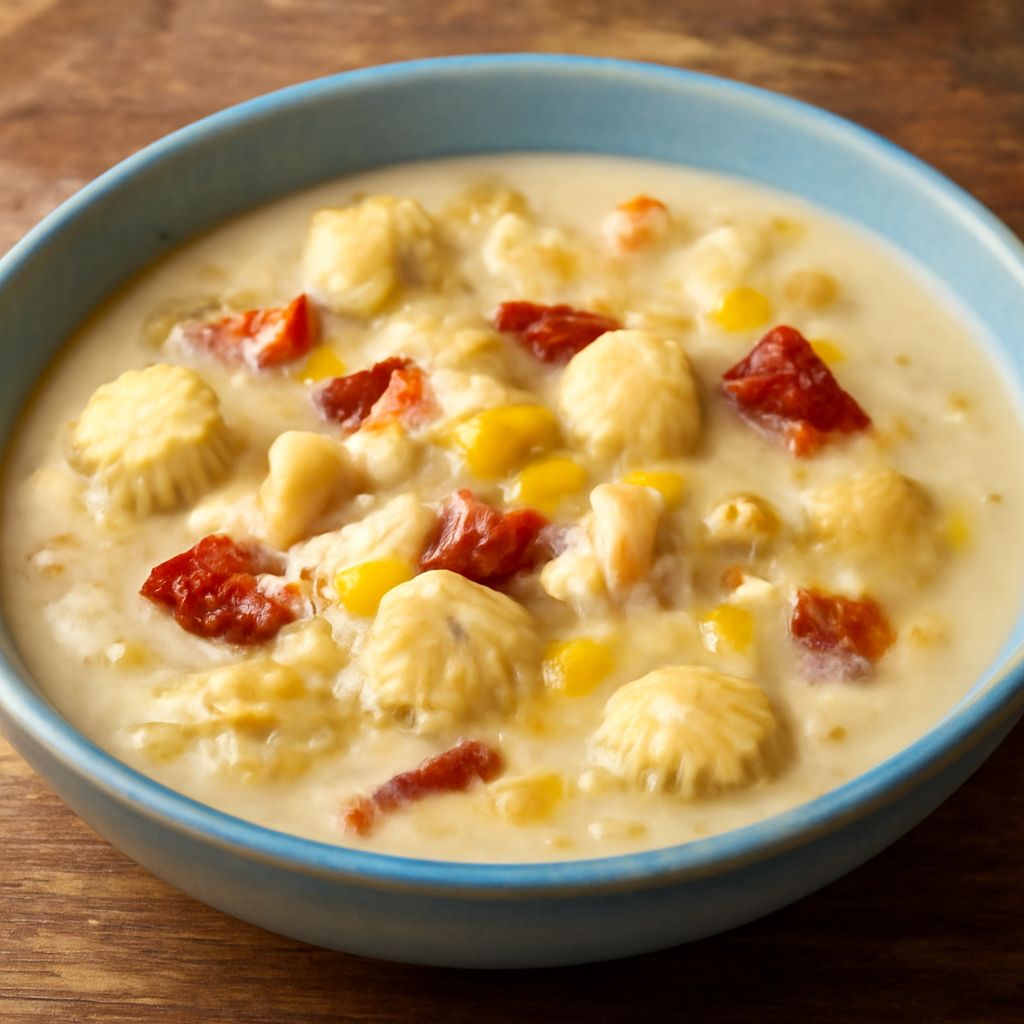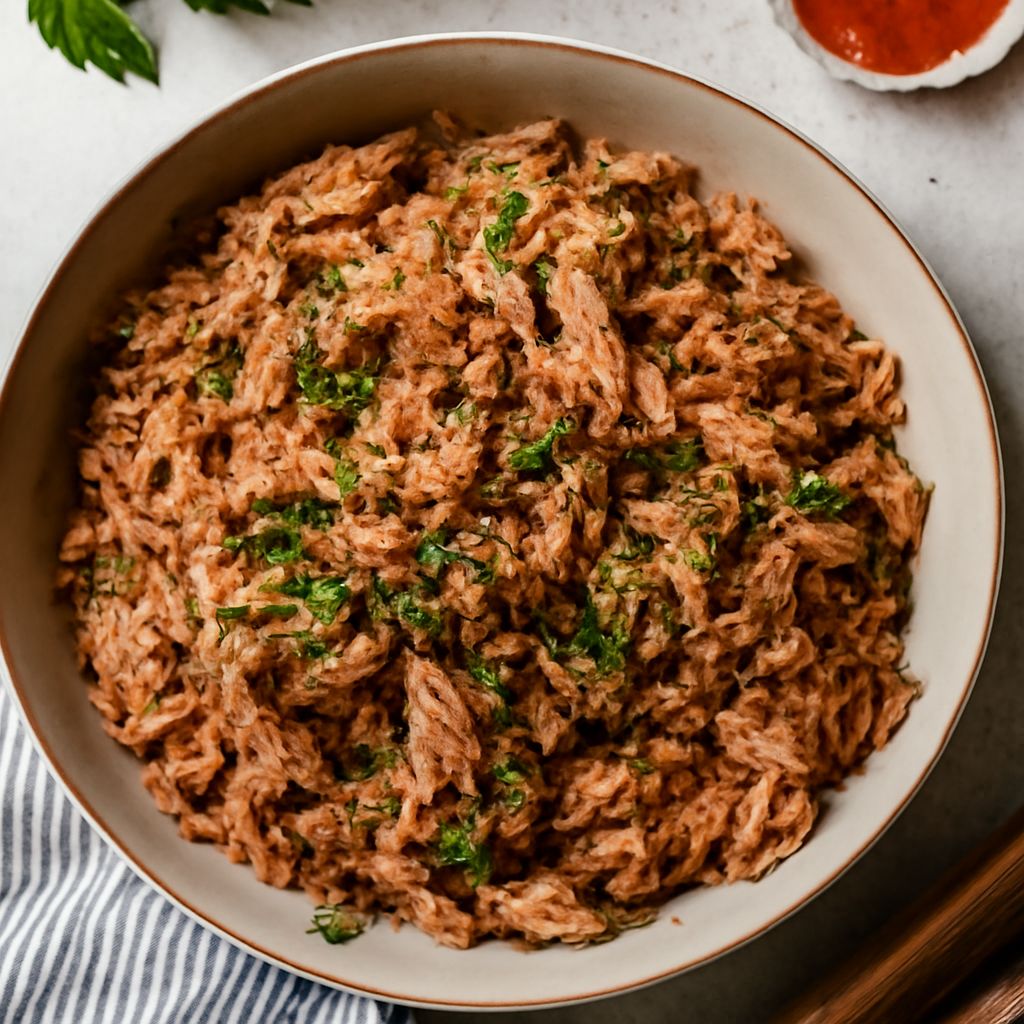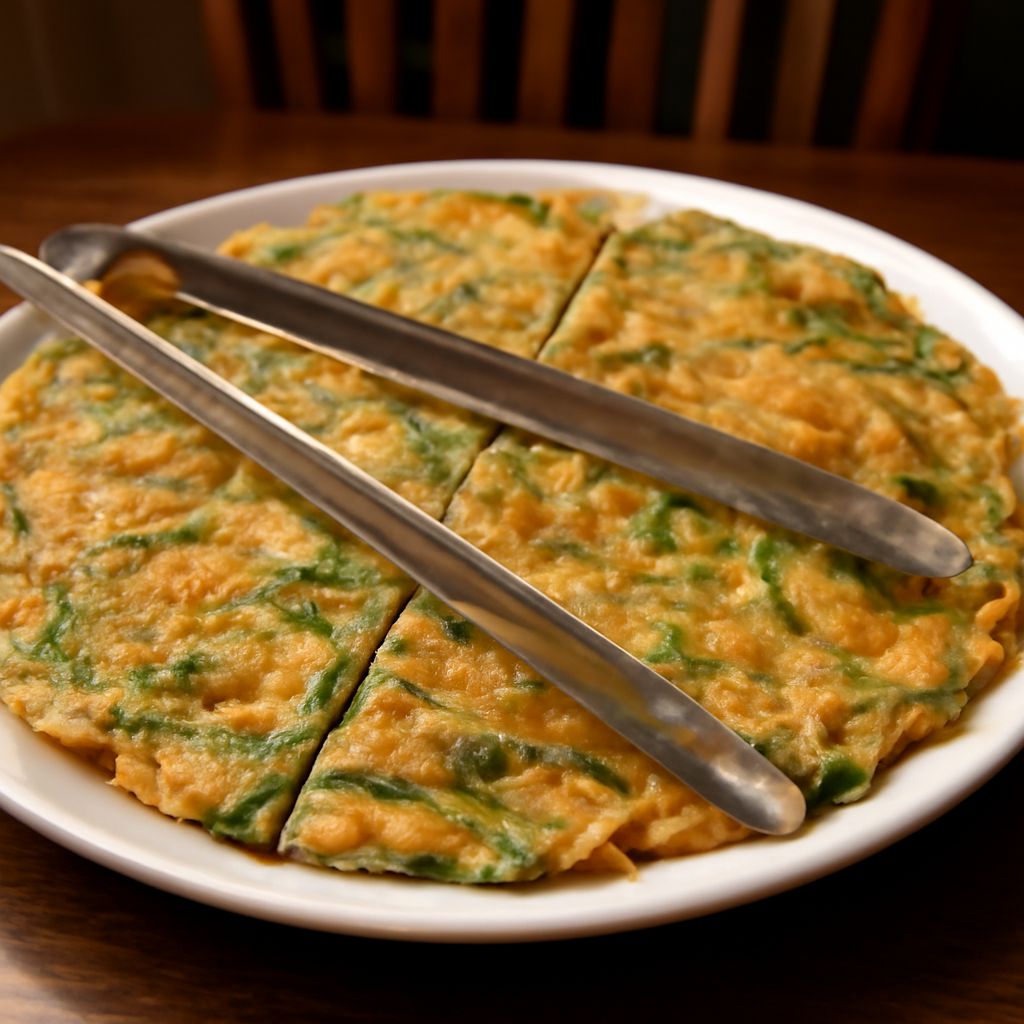
Korean hangover soup — known as haejangguk — is one of the most revered remedies in Korean culture. Rich, warming, and intensely savory, this soup has been restoring depleted bodies and clearing foggy heads for centuries. It is the ultimate combination of practical nourishment and deeply satisfying comfort. A bowl of hangover stew Korean-style is the first thing many Koreans reach for after a long night out.
The tradition also extends to other celebratory occasions — a korean birthday soup (miyeok guk, made with seaweed) is always served on birthdays as a nourishing gift. And while these are distinct preparations, both reflect the same Korean culinary philosophy: food is medicine, especially when the body needs restoration. Meanwhile, a hearty korean fish stew or even a light white stew can serve similar warming, restorative purposes depending on the season and context.
What Is Korean Hangover Soup?
Haejangguk literally means “soup to chase away a hangover.” There are several regional varieties, but the most famous is seonjiguk — a deeply spiced beef blood and cabbage soup that is genuinely medicinal in its intensity. The more accessible home version is kongnamul haejangguk — soybean sprout hangover soup that is light but deeply flavored. Both qualify as authentic Korean hangover soup, and both are consumed as a morning-after restorative with great regularity in Korea.
Soybean Sprout Hangover Stew Recipe
Ingredients
For a home-friendly version of this hangover stew: 2 cups soybean sprouts, 4 cups anchovy broth (or beef broth), 4 minced garlic cloves, 2 tablespoons gochugaru (Korean chili flakes), 1 tablespoon soy sauce, 1 teaspoon sesame oil, sliced scallions, and optionally 4 oz of lean beef or tofu. A bowl of rice on the side is traditional and helps settle the stomach.
Cooking Method
Bring the broth to a boil. Add soybean sprouts and garlic. Cover and cook for 5 minutes without lifting the lid — this prevents the sprouts from developing an unpleasant smell. Add gochugaru, soy sauce, and beef if using. Simmer 5 more minutes. Finish with sesame oil and scallions. This Korean hangover soup is ready in under 15 minutes and delivers remarkable restorative warmth.
Korean Birthday Soup: Seaweed Contrast
Korean birthday soup — miyeok guk — is made from dried wakame or miyeok seaweed, beef or clams, garlic, soy sauce, and sesame oil. It is consumed on birthdays as a celebration of the mother’s labor and as a nutritional gift. Rich in iodine, calcium, and folate, this korean birthday soup is genuinely nourishing. Unlike the bold spice of Korean hangover soup, birthday seaweed soup is mild, clean, and gentle — showcasing the full range of Korean soup philosophy.
Korean Fish Stew and White Stew Variations
For a lighter restorative, a korean fish stew (maeuntang) uses fresh fish, vegetables, and a gochujang-laced broth that is both spicy and deeply umami-rich. It shares the warming intensity of hangover stew but with a cleaner oceanic quality. A white stew (baeksuk) — made from whole chicken simmered in clear broth with garlic and ginger — is one of the mildest but most nourishing Korean soups, used during convalescence and recovery.
Bottom Line
Korean hangover soup is a remarkable culinary tradition — medicine and comfort food in the same bowl. Whether you try the spicy soybean sprout hangover stew version or explore the gentle healing character of korean birthday soup or korean fish stew, these soups reflect a culture that understands food’s power to restore. Make a batch and experience why Koreans have trusted this white stew and haejangguk tradition for generations.