Cabbage releases moisture as it cooks, and that moisture can either become part of a savory tomato sauce or leave a casserole watery. A short simmer on the stove gives the cabbage a head start and lets you judge the sauce before the dish goes into the oven.
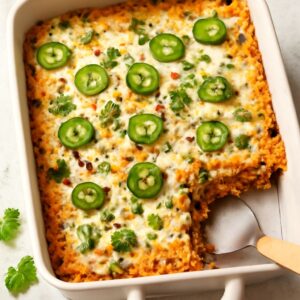
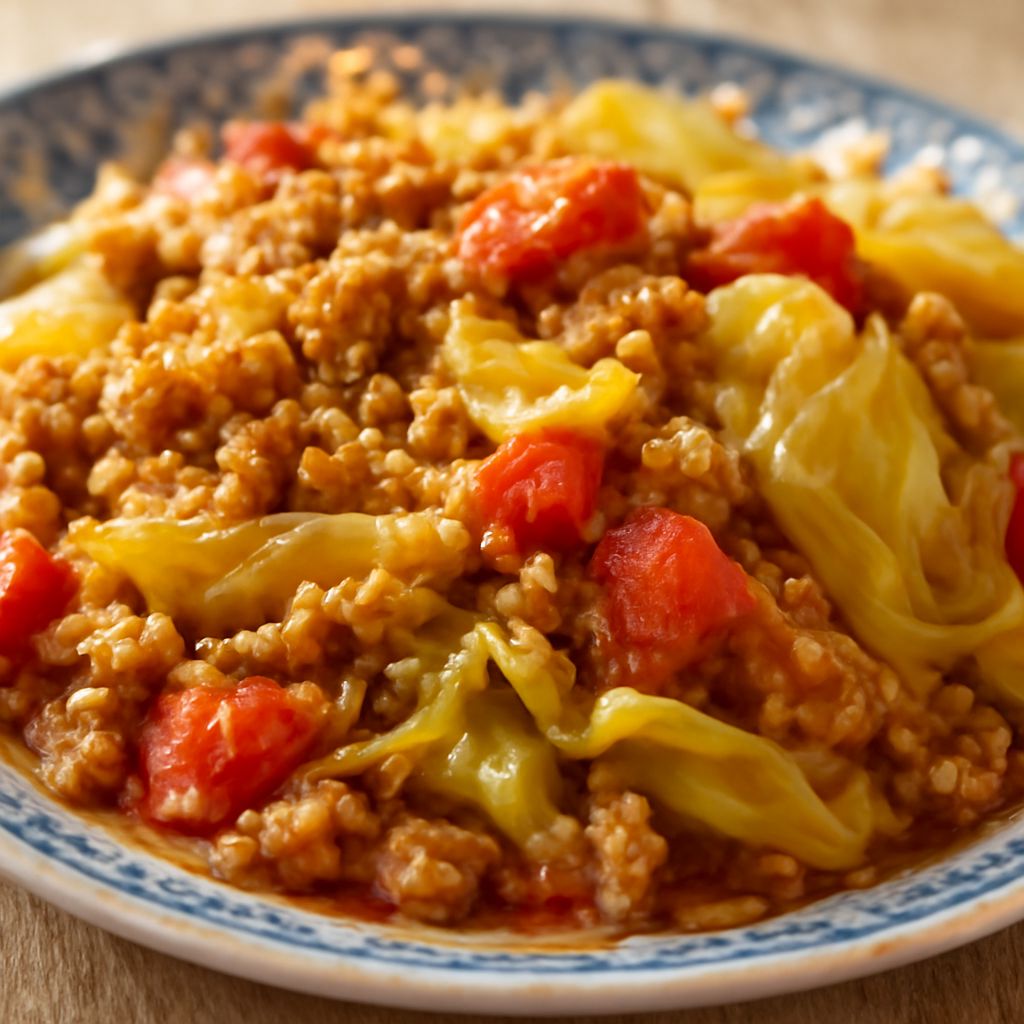
This casserole of ground hamburger and cabbage combines browned beef, tender vegetables, rice, and tomato in one generous pan. The cabbage and hamburger bake makes a complete, comforting meal, with a golden cheese topping if you choose to add it.
Cabbage Hamburger Casserole: Ingredients and Method
This hamburger cabbage casserole serves six and fits a 9-by-13-inch baking dish. Allow about 25 minutes for preparation, 30 to 35 minutes in the oven, and 10 minutes to rest. The rice is cooked before assembly, so start it ahead or use refrigerated cooked rice that has been handled and stored safely.
Ingredients
- 1 pound lean ground beef, about 90% lean
- 1 tablespoon olive oil, if needed
- 1 medium yellow onion, diced
- 2 garlic cloves, minced
- 6 cups chopped green cabbage, about 1 1/2 pounds after trimming
- 1 can (28 ounces) crushed tomatoes
- 1/2 cup low-sodium beef broth or water
- 1 teaspoon paprika
- 1 teaspoon dried thyme
- 1 teaspoon kosher salt, divided, plus more to taste
- 1/2 teaspoon black pepper
- 2 cups cooked long-grain rice
- 1 cup shredded cheddar, optional
- Chopped parsley, optional, for serving
Prepare and bake
- Heat the oven. Set it to 375°F and lightly oil the baking dish. Cut the cabbage into pieces about 1 inch across, discarding the firm core. Dice the onion and mince the garlic.
- Cook the beef. Heat a large, deep skillet or Dutch oven over medium-high heat. Add the ground beef and onion, breaking the meat into small pieces. Cook until the beef reaches 160°F, about 8 to 10 minutes. Check a thick portion of the gathered crumbles with an instant-read thermometer. Drain excess fat carefully, leaving about a teaspoon in the pan. Add the olive oil only if the pan is dry.
- Soften the cabbage. Stir in the garlic for 30 seconds, then add the cabbage in handfuls. Sprinkle with 1/2 teaspoon of the salt and cook, stirring, for 5 to 7 minutes. The cabbage should shrink and bend but still have some firmness.
- Make the sauce. Add the tomatoes, broth, paprika, thyme, remaining salt, and pepper. Simmer uncovered for 8 to 10 minutes, stirring occasionally. The sauce should coat the cabbage and beef rather than collect as a thin pool. If it remains watery, simmer a few minutes longer.
- Assemble. Fold in the cooked rice and taste the hot mixture for seasoning. Transfer it to the baking dish and spread evenly. Cover tightly with foil.
- Bake. Bake for 20 minutes. Uncover, add the cheddar if using, and bake another 10 to 15 minutes, until the cabbage is tender, the edges bubble, and the center reaches 165°F. Check the center with a clean thermometer without touching the dish. Rest for 10 minutes, then sprinkle with parsley and serve.
Prepare the Cabbage and Beef
A cabbage and ground beef casserole is easiest to serve when the pieces of cabbage are neither tiny shreds nor large wedges. Remove the outer leaves if damaged, quarter the head, and cut away the hard core. Chop the rest into roughly 1-inch pieces. They will soften and shrink, but their texture will remain distinct beside the rice and meat.
For cabbage hamburger casserole, green cabbage holds its shape through simmering and baking. A compact head can be heavy, so measure the chopped pieces loosely rather than packing the cup tightly. Save extra cabbage for slaw; several extra cups change the balance of filling and sauce.
For a ground beef and cabbage casserole, lean beef brings plenty of flavor with less fat to drain. Brown it in a wide pan and break up large clumps as it cooks. Color alone is not a reliable safety test: gather enough crumbles to insert the thermometer into the center and confirm 160°F. Wash your hands and utensils after handling raw meat, and use a clean spoon to taste the finished mixture.
Drain the fat into a heatproof container, never down the sink. Leave a small amount behind to carry the flavor of the onion and garlic. If you use a very lean grind and the pan looks dry, add the tablespoon of oil before the vegetables. This little adjustment helps the cabbage soften evenly without catching on the bottom.
Build a Sauce That Coats
A hamburger and cabbage casserole needs enough liquid to keep the rice moist, but it should not look like soup before baking. Crushed tomatoes provide body, and the measured broth helps loosen the browned bits in the pan. As the cabbage cooks, it releases more liquid. Keep the lid off during the initial simmer so excess moisture has a chance to evaporate.
Look at the bottom of the pan after stirring. The sauce should gather around the ingredients and slowly fill the path of a spoon, with no deep pool of thin liquid. If it looks watery, simmer uncovered for another few minutes. If it becomes too thick or begins to stick, add broth a tablespoon or two at a time. Remember that cooked rice will absorb a little sauce in the oven.
This cabbage and hamburger casserole uses cooked rice, so you can judge the texture before baking. Separate any cold clumps before folding them in and distribute the grains throughout. Uncooked rice needs a different amount of liquid and a longer cooking time, so it should not be substituted directly in this method.
Assemble and Bake Evenly
Spread the mixture in an even layer rather than pressing it firmly into the dish. The cabbage and beef casserole heats more evenly when the filling is level, and the foil cover holds moisture while the center warms. A deeper or smaller dish produces a thicker layer and may need more time; begin checking at the suggested time and use the thermometer to judge the center.
Uncovering for the final portion of the bake lets the surface reduce slightly. Cheddar gives a browned, savory top, but the dish is satisfying without it. If the cheese browns before the center reaches 165°F, loosely replace the foil and continue baking. Bubbles at the edges are a useful sign, while the temperature in the middle tells you that the casserole is hot throughout.
Let the pan stand for 10 minutes before serving. The rest allows the sauce to settle around the rice and vegetables, making spoonfuls easier to lift. If you prefer a saucier plate, serve a little warm tomato sauce alongside rather than adding extra liquid before baking.
Adjust the Flavor and Serve
A cabbage beef casserole can be seasoned gently or boldly. Paprika and thyme give the tomato sauce warmth without covering the cabbage. For a little heat, add a pinch of crushed red pepper with the garlic. A teaspoon of Worcestershire sauce can deepen the savory flavor; taste before adding more salt, because both broth and bottled sauces vary.
For a ground beef cabbage casserole with a sharper finish, scatter chopped parsley over the top and serve with a spoonful of plain yogurt or sour cream. A green salad or steamed green beans add freshness, though the rice, beef, and cabbage already make a substantial meal. If you omit the cheese, a little extra black pepper is an easy final touch.
The beef-and-cabbage bake welcomes substitutions. Brown rice works when it is fully cooked first; its firmer grains give a little more chew. Diced bell pepper can cook with the onion, provided there is enough room in the skillet. If the pan becomes crowded, soften the cabbage in batches before combining everything with the sauce.
Store and Reheat Leftovers
Divide the baked cabbage and hamburger mixture into shallow covered containers and refrigerate within two hours, or one hour if the room is above 90°F. Keep it at 40°F or below and use within three to four days. Smaller portions cool more quickly and are convenient for lunch.
Reheat the casserole to 165°F throughout, checking the center with a thermometer. In the oven, cover the dish and add a small spoonful of water if it seems dry; uncover briefly at the end if you want the top less soft. In the microwave, cover, stir or rotate where possible, and allow standing time before checking several spots. Heat only the portion you plan to eat.
If the Texture Needs Help
If the baked hamburger and cabbage dish has a puddle around it, let it rest first; the rice will absorb a little liquid. For a noticeably thin sauce, spoon off some liquid or serve with a slotted spoon. Next time, simmer the tomato mixture longer before adding the rice. If the casserole looks dry, stir a splash of warm broth into the serving or spoon a little tomato sauce over it. Cabbage that is still firm needs more covered baking; if the top is already browned, keep the foil on while it finishes.