Mustard brings a punch of flavor, tang, and gentle heat to everyday meals. Whether you’re drizzling it on a sandwich or stirring it into a herb and garlic dip, it’s a staple in kitchens worldwide. If you’ve ever wondered, “How is mustard made?” or “What is mustard made out of?” you’re about to discover the fascinating journey from seed to sauce. We’ll also explore where does mustard come from and why it’s so essential in herb & garlic condiments.
Understanding the origins and crafting process of mustard not only deepens appreciation for this classic condiment but also helps you make better choices in the kitchen. Let’s dive into the core aspects of mustard: how it’s made, what’s in it, its global origins, and its special role in herb & garlic sauces.
How Is Mustard Made
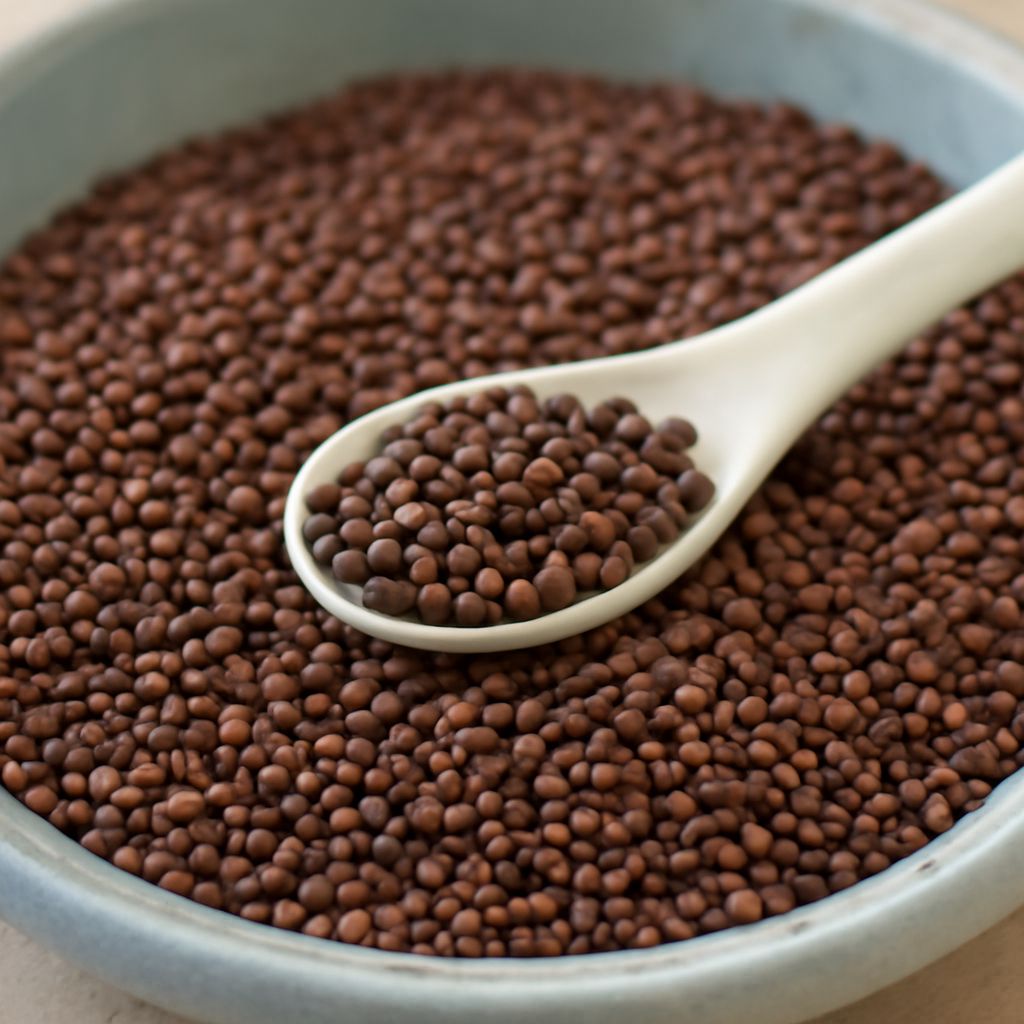
The process of crafting mustard begins with the humble mustard seed. There are multiple varieties—yellow (or white), brown, and black—each lending unique character to the final product. To start, the seeds are either used whole, cracked, or ground, depending on the desired texture and flavor intensity. This basic preparation is key for unlocking the signature bite that makes mustard distinct.
Next, the seeds are combined with a liquid, typically water, vinegar, wine, or even beer. The choice of liquid affects both the sharpness and the tang of the finished mustard. For example, water produces a hotter, more pungent result, while vinegar keeps things milder and adds a pleasant acidity. The mixture may be left to soak, sometimes overnight, to allow flavors to meld and the seeds to soften.
After soaking, the mixture is ground to the preferred consistency—ranging from coarse and rustic to silky-smooth. Spices, salt, and sometimes sweeteners like honey or sugar are blended in for complexity. The result is a paste with a lively balance of heat, tang, and earthiness. This is the heart of how is mustard made, transforming simple seeds into a dynamic condiment ready for tables and recipes.
Finally, the mustard is aged for a short period. This lets flavors mature and mellow, resulting in the versatile spread found on everything from hot dogs to vinaigrettes. Whether making a small batch at home or in commercial production, these steps are the cornerstone of creating high-quality mustard.
What Is Mustard Made Out Of
Curious cooks often ask, “What is mustard made out of?” The answer lies in a small set of core components. At its simplest, mustard is made from ground mustard seeds, a liquid (usually vinegar or water), and salt. However, there’s a world of variations, with each region and brand tweaking ingredients to create distinct flavors.
Besides the essential trio, additional spices—like turmeric, garlic, paprika, or herbs—are often added for depth and color. Turmeric is responsible for the bright yellow hue of many prepared mustards, while the addition of garlic and herbs can layer in savory undertones. Some recipes also include sweeteners such as honey, molasses, or brown sugar, which balance the sharpness with a touch of sweetness.
Understanding what is mustard made out of helps guide choices when shopping or making condiments at home. If you’re sensitive to additives or looking for a cleaner label, check for simpler blends that stick to core ingredients. Homemade versions allow for even greater control, letting you highlight favorite aromatics or keep things classic and sharp.
Whether used as a base for dressings, a dip, or a flavor booster, knowing the main components of mustard ensures you get the taste and quality you want in every bite.
Where Does Mustard Come From
Exploring where does mustard come from reveals a journey that spans continents and centuries. Mustard seeds have ancient origins, with initial cultivation believed to have started in the Mediterranean and Near East. Evidence of mustard use dates back to Roman times, when seeds were crushed and mixed with wine or vinegar to make an early version of the condiment we love today.
Over time, mustard spread across Europe and Asia, adapting to local tastes and ingredients. French Dijon, English yellow mustard, and spicy Chinese varieties all showcase regional spins, shaped by available seeds and liquids. In North America, yellow mustard—featuring milder seeds and bright turmeric—became a picnic and ballpark staple.
Where does mustard come from today? Major producers include Canada (notably Saskatchewan), Nepal, Russia, and European countries like France and Germany. The global supply chain ensures mustard is a pantry essential almost everywhere. Even so, many home gardeners grow mustard for both seeds and greens, keeping tradition alive on a small scale.
The story of mustard is one of adaptation: the plant thrives in various climates, and the condiment’s versatility means it appears in cuisines from Indian curries to German sausages, always bringing its signature zest.
Mustard in Herb & Garlic Sauces
Mustard shines in the world of herb & garlic sauces, where its tang and subtle heat enhance the bright, savory notes of fresh aromatics. The sharpness of prepared mustard, whether classic yellow or spicy Dijon, cuts through creamy bases and balances the earthiness of garlic and herbs like parsley, dill, or tarragon.
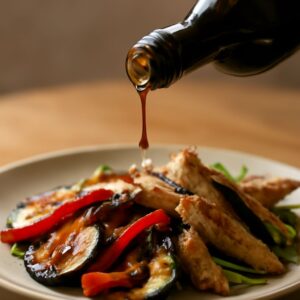
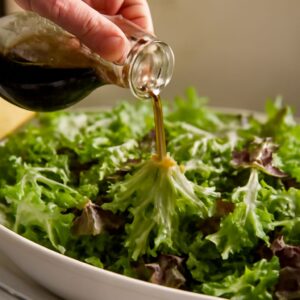
When mixing up a herb and garlic spread, a spoonful of mustard can unify the flavors, help emulsify vinaigrettes, and add a layer of complexity. Think of creamy dressings, aioli, or marinades—mustard not only brings acidity but also acts as a natural stabilizer, keeping sauces smooth and harmonious.
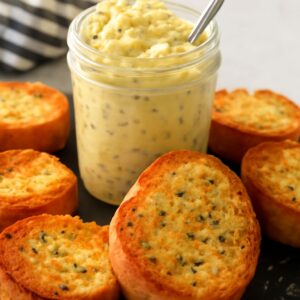
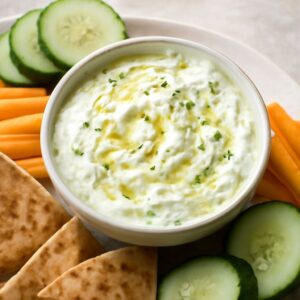
For those seeking extra depth, try integrating mustard with roasted garlic and soft herbs in sandwich spreads or potato salads. The interplay of spicy, tangy, and herbal notes is what makes these sauces so memorable. Mustard’s adaptability means it works just as well in bright green chimichurri as in a rustic garlic-mustard dipping sauce for vegetables or meats.
Ultimately, mustard’s legacy in herb & garlic condiments highlights its vital role as a flavor bridge—a little goes a long way to elevate homemade and store-bought sauces alike.
Next steps: Try experimenting with your own mustard-based sauces. Start by adding a dash to your favorite herb and garlic recipes—taste as you go, and enjoy the boost in flavor. Keep your mustard stored in a cool, dry place or refrigerate after opening for lasting freshness.