A balsamic marinade for chicken is one of the simplest and most consistently successful marinades in home cooking. Balsamic vinegar brings a natural sweetness, a mild acidity, and a complexity from its barrel aging that few other vinegars can replicate. A balsamic vinegar chicken marinade takes about five minutes to assemble and delivers a flavor that tastes more deliberate than the effort involved. The term balsamic marinade covers any preparation where balsamic vinegar is the primary acid, combined with olive oil and aromatics. A balsamic vinegar marinade for chicken adapts easily to grilling, roasting, and pan-searing, making it one of the most versatile preparations in the category. Balsamic marinade chicken cooked over high heat develops a caramelized crust from the natural sugars in the vinegar, which is part of what makes this approach so appealing.
Why Balsamic Works for Chicken
Chicken is a mild protein that absorbs marinade flavors readily. Balsamic vinegar is less aggressive than wine vinegar or citrus juice, which means it flavors the surface without turning the exterior mushy even after several hours. The sugars in balsamic caramelize during high-heat cooking and create a dark, slightly sticky crust that adds both color and flavor. A balsamic vinegar marinade for chicken benefits from the fact that the vinegar’s sweetness complements rather than fights the mild flavor of the bird.
Core Balsamic Marinade for Chicken Recipe
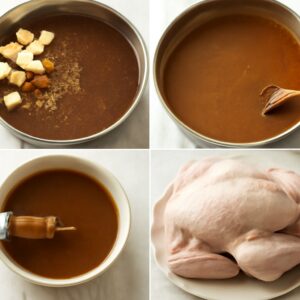
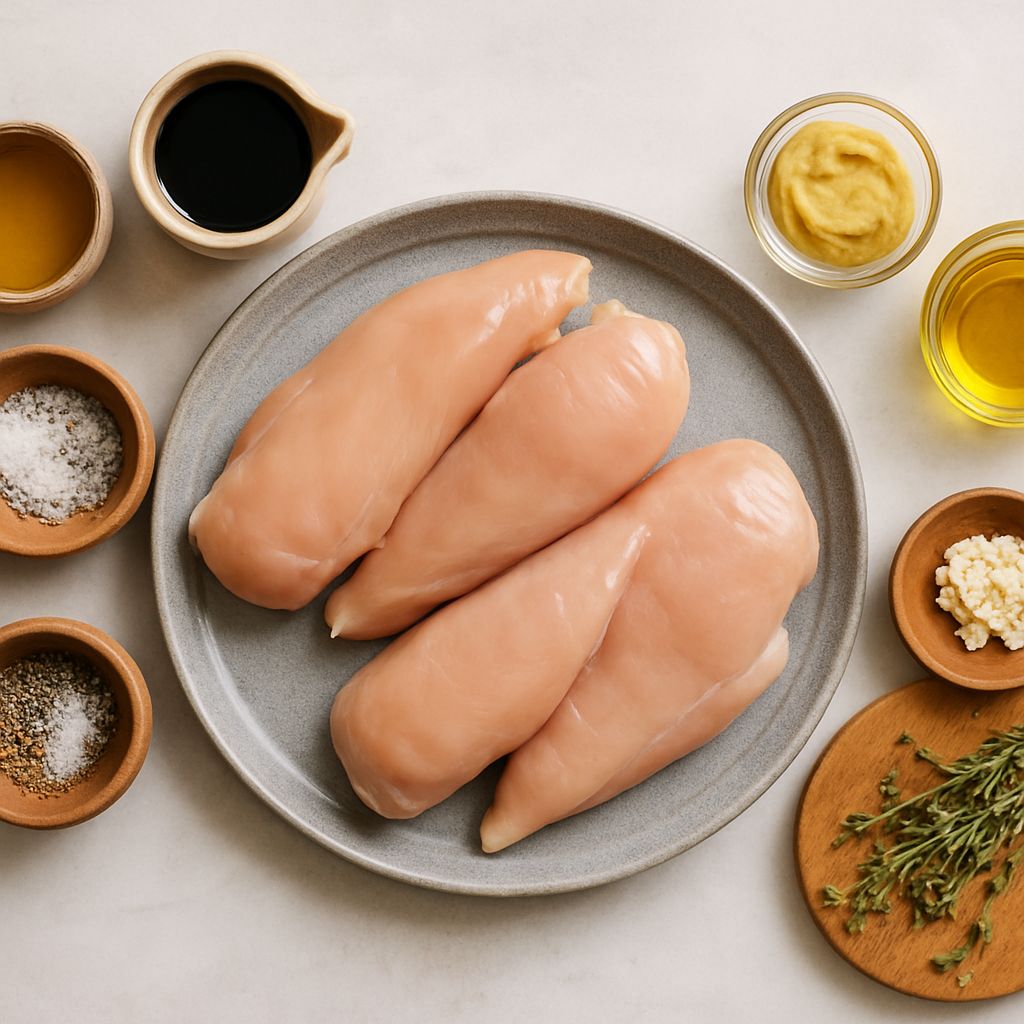
Combine a quarter cup of balsamic vinegar, three tablespoons of olive oil, two minced garlic cloves, one teaspoon of dried thyme or rosemary, one teaspoon of Dijon mustard, half a teaspoon of salt, and a quarter teaspoon of black pepper. Whisk well to combine. The mustard helps emulsify the oil and vinegar and adds a background sharpness. Add the chicken to a zip-lock bag or shallow dish, pour over the marinade, and refrigerate. Marinate bone-in pieces for four to eight hours. Boneless, skinless thighs or breasts need only two to four hours. This balsamic marinade for chicken works across every cut of the bird.
The longer end of the marinating range produces a deeper flavor and a more pronounced caramelized crust when cooked. Beyond eight hours, the acid can begin to affect the texture of the outer layers of the breast meat, so do not exceed that window for chicken breasts in particular.
Balsamic Marinade Variations
A balsamic marinade becomes more complex with a few adjustments. Adding a tablespoon of honey shifts the balance toward sweet and reduces some of the tangy edge. Soy sauce in place of salt adds umami depth. Fresh herbs like minced rosemary or oregano produce a brighter, more aromatic result than their dried counterparts. For a spicier balsamic vinegar chicken marinade, add a pinch of red pepper flakes or a teaspoon of hot sauce. Each variation stays within the same basic structure of balsamic, oil, and aromatics.
Cooking Balsamic Marinade Chicken
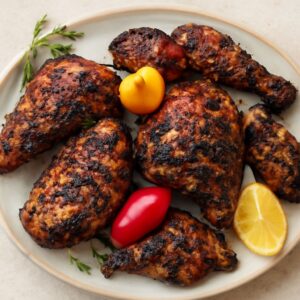
Remove the chicken from the balsamic marinade and pat it dry before cooking. Excess marinade left on the surface can cause the chicken to steam rather than sear, reducing the caramelization that makes balsamic marinade chicken worth making. For grilling, cook over medium-high heat and move the pieces to a cooler zone if the sugars start to char before the interior is cooked through. For oven roasting, cook at 400 degrees Fahrenheit. Brush with any reserved marinade that was set aside before the raw chicken was added, not the marinade the raw chicken sat in, in the final five minutes for additional glaze.
Pro tips recap: Dijon mustard is not optional in a balsamic vinegar chicken marinade because it keeps the oil and vinegar in emulsion during marinating. Pat the chicken dry before cooking to get a proper sear. Reserve some marinade before adding raw chicken if you want a finishing glaze.