Mojo marinade is one of the most vibrant and flavor-packed marinades in Latin American cooking. Built on sour orange juice (or a mix of orange and lime), garlic, olive oil, and earthy spices, mojo transforms pork, chicken, and seafood with a bright, citrusy punch that is unlike anything else. A great mojo marinade recipe is fast to make, intensely aromatic, and endlessly versatile.
The most famous version is the cuban mojo marinade — the classic preparation used for slow-roasted pork shoulder that is the centerpiece of Cuban cuisine. But mojo principles extend naturally to a fajita marinade recipe, a bold beef preparation, or even a jamaican jerk marinade recipe for comparison. Understanding mojo opens up a world of citrus-forward marinating possibilities.
What Is Mojo Marinade?
Traditional Cuban mojo consists of sour orange juice (naranja agria), garlic, salt, cumin, and olive oil. Since sour oranges are hard to find outside Latin markets, the classic substitute is a mix of fresh orange juice and fresh lime juice in a 2:1 ratio. This gives the mojo marinade recipe its characteristic sweet-tart balance. Garlic is not an accent here — it is a dominant flavor. A proper cuban mojo marinade uses 8 to 12 minced garlic cloves per batch.
Classic Cuban Mojo Marinade Recipe
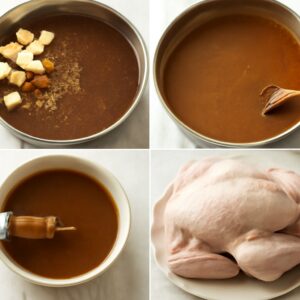
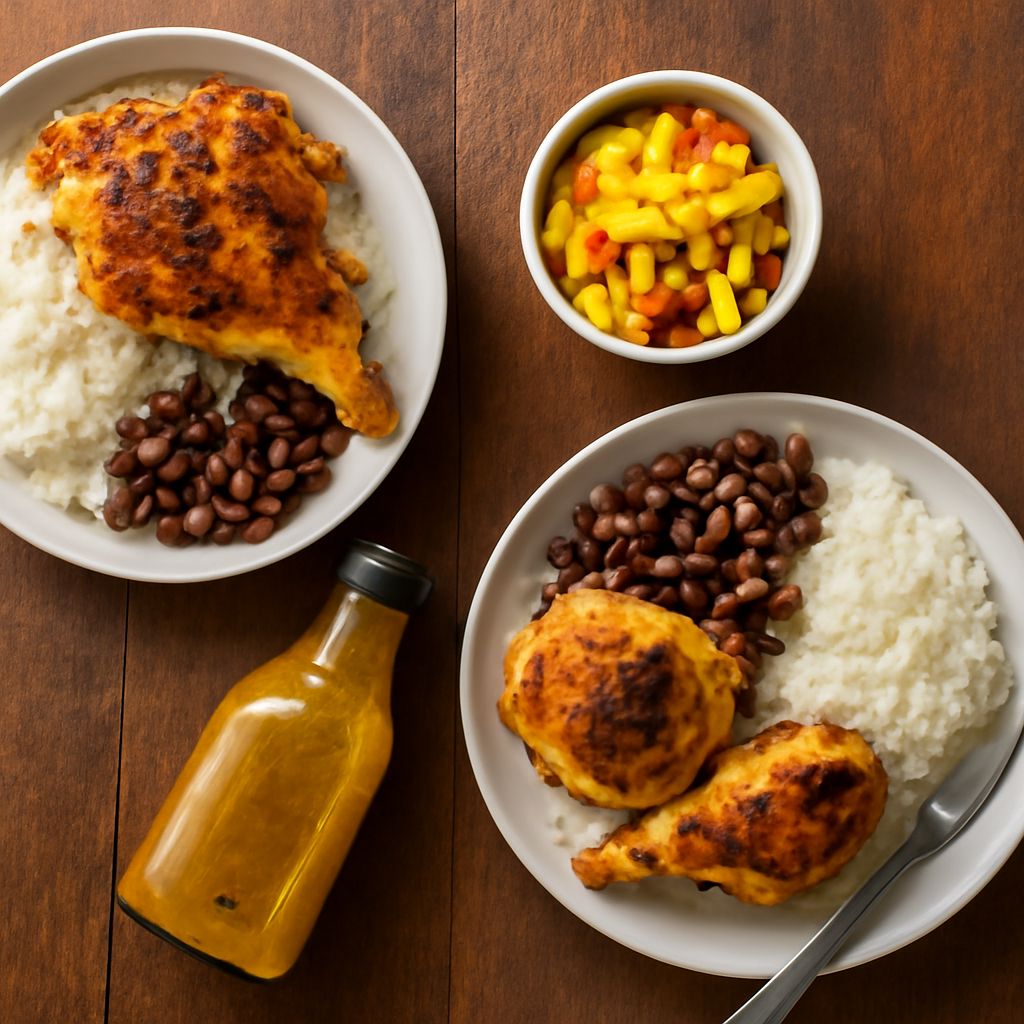
Combine: half a cup of fresh orange juice, quarter cup fresh lime juice, 8 to 10 minced garlic cloves, 1 teaspoon cumin, 1 teaspoon oregano, half a cup of olive oil, salt, and pepper. Whisk vigorously or blend briefly. For pork shoulder (the traditional use), marinate for 8 to 24 hours. For chicken pieces, 2 to 4 hours is sufficient. This cuban mojo marinade penetrates deeply and caramelizes beautifully during roasting, creating an outstanding flavor crust on the exterior.
Fajita Marinade Recipe Inspired by Mojo
Mojo’s citrus-garlic base translates directly into an outstanding fajita marinade recipe. Add 1 teaspoon of smoked paprika, half a teaspoon of chili powder, and a pinch of cayenne to the base mojo marinade recipe. This creates a Tex-Mex variation that works beautifully on skirt steak or flank steak for fajitas. Marinate for 30 minutes to 2 hours — skirt steak is thin and absorbs marinade quickly. Grill over high heat for maximum char and serve with peppers and onions.
How Mojo Compares to Jamaican Jerk
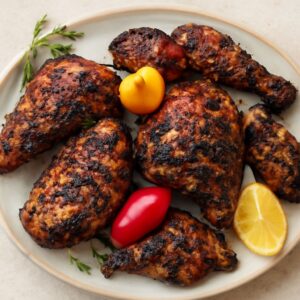
A jamaican jerk marinade recipe shares some DNA with mojo — both are heavily spiced, citrus-forward, and designed for grilling or roasting. But jerk diverges significantly with scotch bonnet peppers, allspice, thyme, cinnamon, and nutmeg creating a completely different flavor profile. Where cuban mojo marinade is bright and garlicky, jerk is complex, spicy, and smoky-sweet. Both represent the heights of Caribbean and Latin marinating traditions.
Tips for Using Mojo
For the deepest flavor from your mojo marinade recipe, score the meat before marinating. Pierce pork shoulder all over with a knife and rub the mojo into the cuts. For whole chickens, loosen the skin and push mojo underneath directly onto the flesh. Reserve some marinade (before it contacts raw meat) as a finishing sauce or drizzle over the cooked meat for extra brightness. Store leftover mojo marinade in the refrigerator for up to a week.
Bottom Line
Mojo marinade is a foundational Latin preparation that delivers citrusy, garlicky depth to virtually any protein. Whether you follow the classic cuban mojo marinade, adapt it into a fajita marinade recipe, or compare it to a jamaican jerk marinade recipe, mojo’s bright, assertive character makes it one of the most satisfying marinades to cook with regularly.