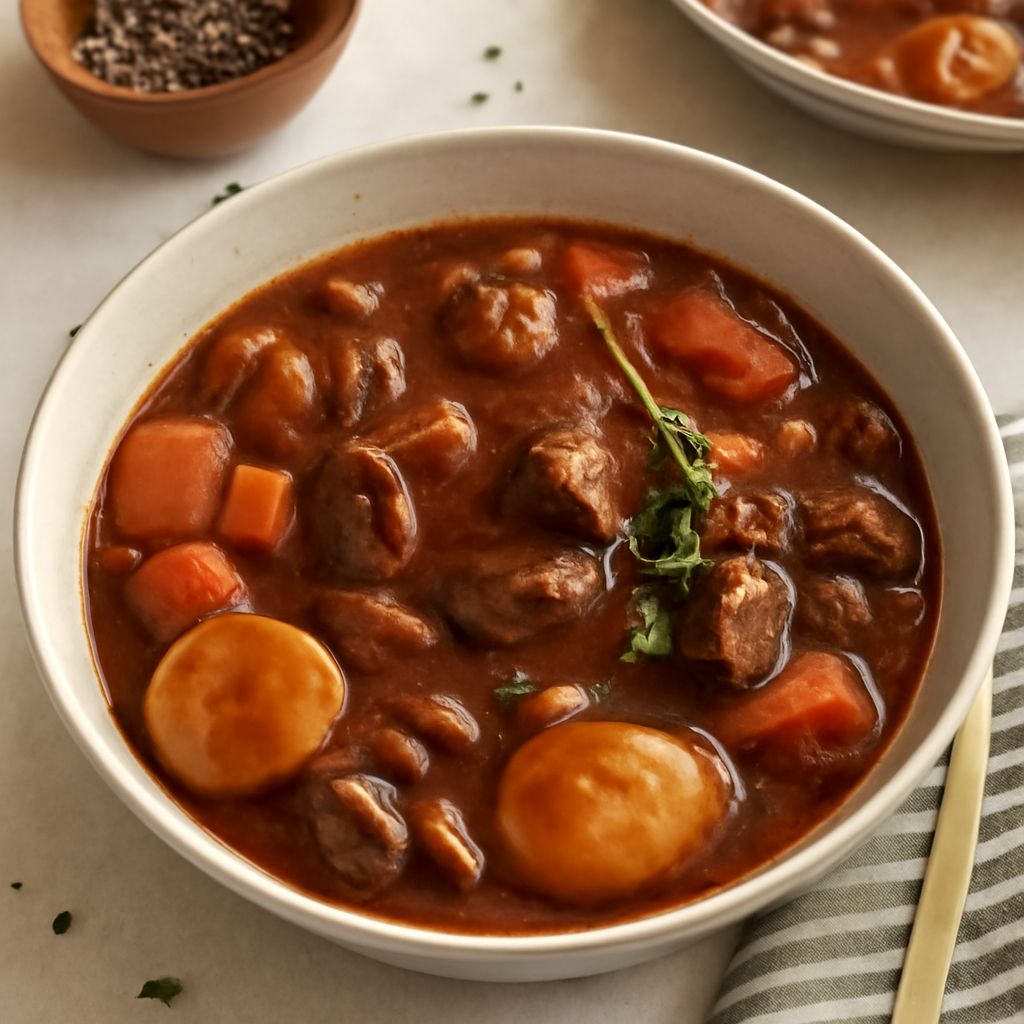
Knowing how long to cook beef stew is the single biggest factor between tough, chewy chunks and meat that falls apart at the touch of a fork. The right answer depends on your method and your cut. The herbs for beef stew you choose and how you build your stew starter also shape how satisfying the final bowl turns out.
This guide covers timing for every cooking method, the right sirloin stew approach if you want a leaner cut, and a complete breakdown of how to cook beef stew meat on the stove from the first sear to the final simmer. Whether you’re making your first pot or troubleshooting a batch that didn’t go right, the specifics here apply directly.
How Long to Cook Beef Stew by Method
On the stovetop at a low simmer: two to two and a half hours for chuck, which is the standard cut. The meat needs time for its collagen to break down into gelatin, which is what makes the broth rich and silky. If you rush it, the meat will be tough. Oven braising at 325°F: two to two and a half hours covered. The even heat prevents hot spots that can cause the bottom to scorch. Slow cooker on low: seven to eight hours. Slow cooker on high: four to five hours. Pressure cooker or Instant Pot: 35 minutes at high pressure, then natural release for 15 minutes. Each method produces slightly different results in texture, but all of them work when you understand how long to cook beef stew for each approach.
Herbs for Beef Stew
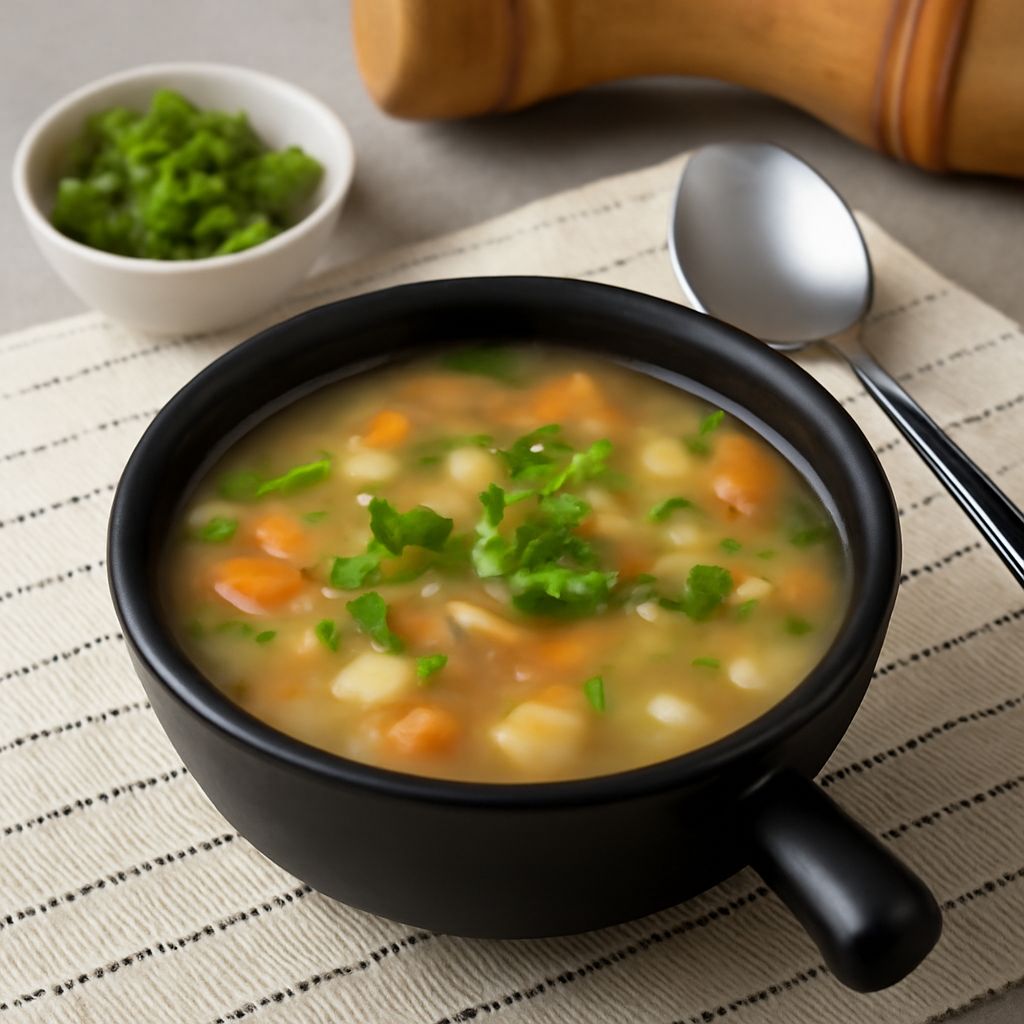
The classic herbs for beef stew are thyme, rosemary, bay leaves, and parsley. Thyme and rosemary go in early — they’re hardy herbs that need time to release their oils into the broth. Bay leaves add a subtle, slightly floral depth that’s hard to identify individually but noticeable when absent. Parsley stems (not the leaves) can go in early too; the stems have more flavor than the leaves and don’t cloud the broth. Add fresh parsley leaves at the very end as a garnish, where their brightness contrasts with the deep, slow-cooked base.
Building a Good Stew Starter
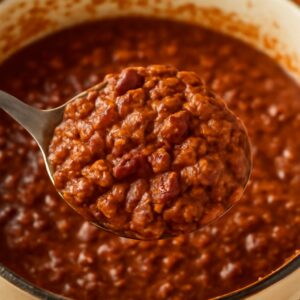
A solid stew starter is the foundation every good beef stew builds on. Sear the beef in batches in a hot Dutch oven with a small amount of oil — don’t crowd the pan. After the beef is browned and resting, cook onion and garlic in the same fat. Add tomato paste and cook it for two minutes to caramelize slightly. Deglaze with red wine or beef broth, scraping up every browned bit. Those bits — the fond — are concentrated flavor that becomes part of the broth during the simmer. Without a proper stew starter sequence, you lose a significant portion of the available flavor from the meat.
Sirloin Stew: A Leaner Option
Chuck is the classic stew cut, but sirloin stew is a valid alternative for those who prefer leaner beef. Sirloin has less collagen than chuck, which means it won’t thicken the broth as naturally and it cooks faster — typically 45 to 60 minutes of simmering rather than two hours. Cut sirloin into one-inch cubes and sear as you would chuck. The shorter cooking time means the vegetables need to be timed accordingly; add them 30 minutes into the simmer rather than early. The resulting stew is lighter in body but still flavorful when seasoned well.
How to Cook Beef Stew Meat on the Stove
Heat a heavy Dutch oven or wide pot over high heat. Pat the beef dry, season with salt and pepper, and sear in batches for two to three minutes per side. Remove and set aside. Reduce heat to medium, add the aromatics, and build the base as described above. Return the beef, add broth to just cover, tuck in the herbs, and bring to a boil. Lower the heat immediately to a bare simmer — the surface should barely bubble. Cook covered for 1.5 hours. Add vegetables and cook uncovered for another 30 to 45 minutes. This is the complete stovetop method for how to cook beef stew meat on the stove. The total active time is under 30 minutes; the rest is passive simmering.