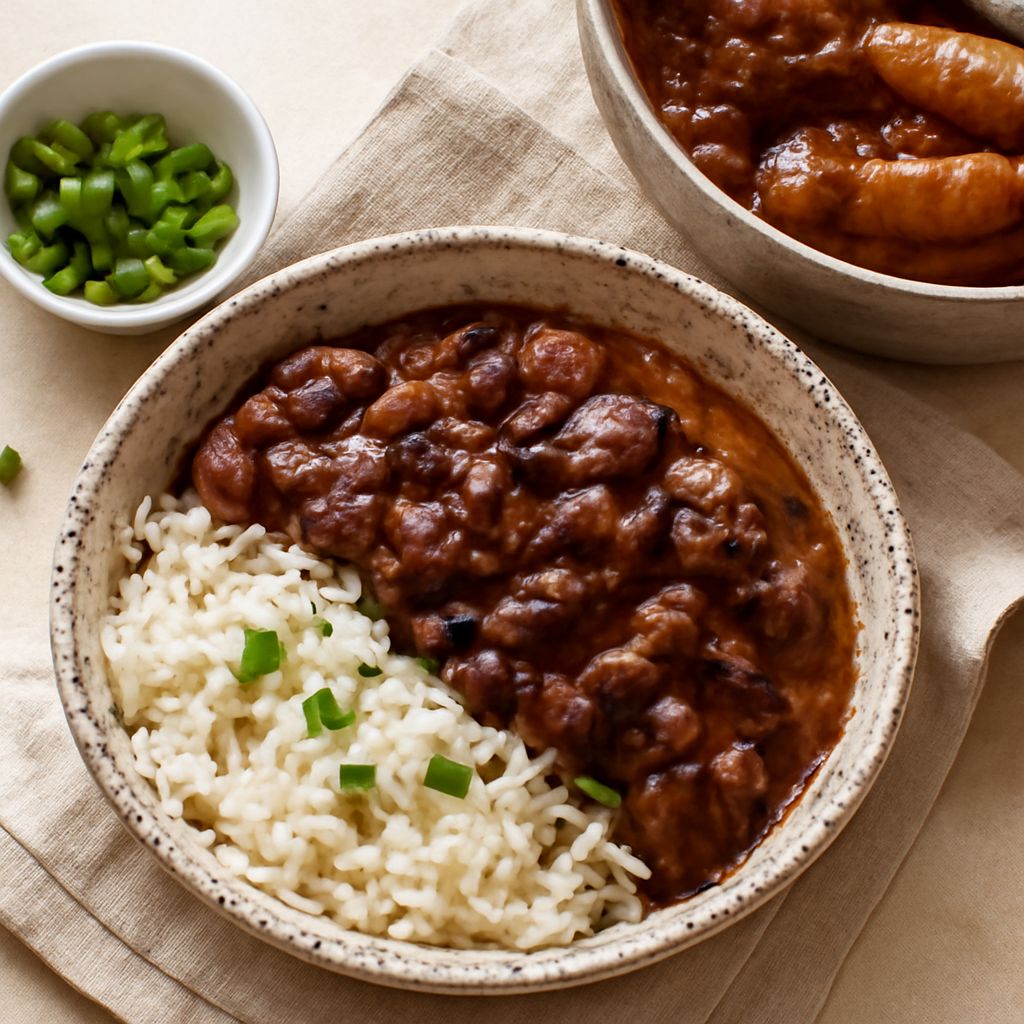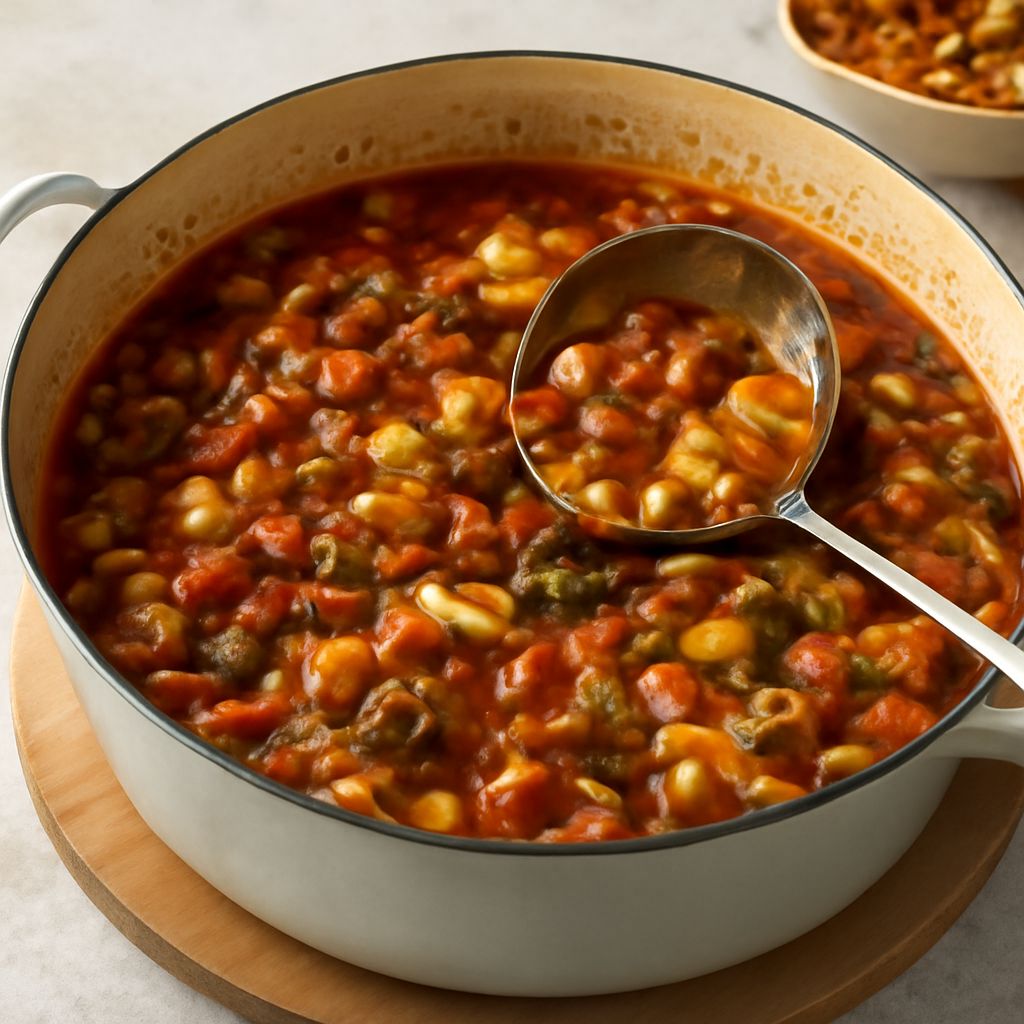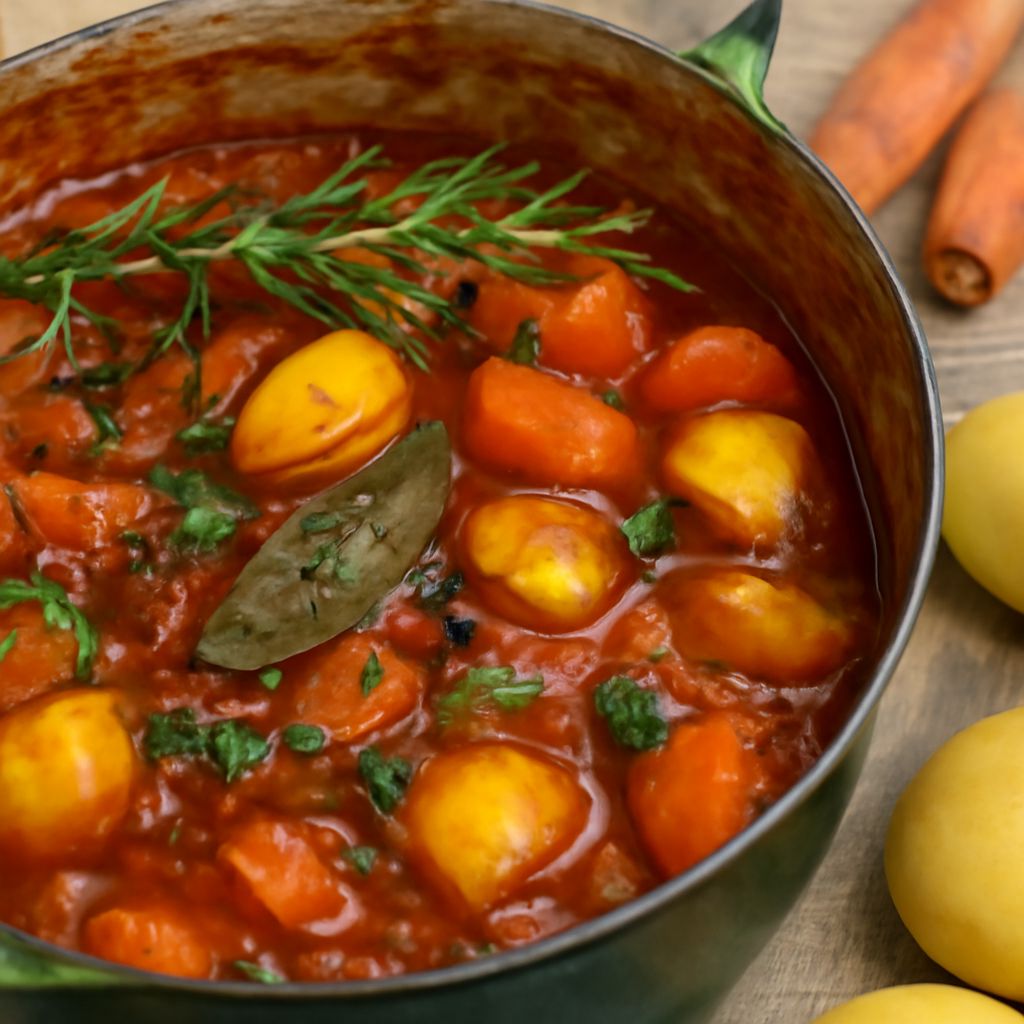
Potato stew is one of the most adaptable dishes in a home cook’s rotation. A solid potato stew recipe can be made entirely from pantry and refrigerator staples, takes under an hour, and produces leftovers that taste even better the next day. Stew potatoes absorb the surrounding broth and spices deeply during the long simmer, becoming tender and flavorful throughout.
The right potatoes for stew matter more than most people realize. Understanding which varieties hold their shape and which ones break down helps you build the exact texture you want. Whether you prefer chunky potato stew recipes or a thicker, almost creamy version, the choice starts with the potato variety.
Choosing the Right Potatoes for Stew
Waxy potatoes—such as red potatoes and fingerlings—are the best potatoes for stew when you want them to hold their shape through the long cooking process. They have a lower starch content that prevents them from crumbling into the broth. Stew potatoes made from waxy varieties retain clean edges and a satisfying bite after an hour or more of simmering.
Yukon Gold potatoes fall in the middle. They hold their shape reasonably well but also release some starch into the broth, which thickens the liquid naturally. This makes them one of the most recommended potatoes for stew in recipes that want a thicker, more filling consistency.
Building the Broth for a Vegetarian Potato Stew
A plant-based potato stew recipe starts with a vegetable broth base. Sauté onion, garlic, and celery in olive oil first, then add diced tomatoes and cook them down briefly. This tomato base adds acid and body to the broth before the potatoes go in. Season with smoked paprika, dried thyme, cumin, and black pepper for a richly flavored stew without meat.
For a meatier version of stew potatoes, brown chunks of beef or lamb in the pot first. Remove the meat, build the vegetable base, then return the meat to simmer with the potatoes until everything is tender.
The Right Simmer Time
Stew potatoes need at least 25 to 35 minutes of simmering to cook through fully. Test them with a fork or knife. The implement should slide in with little resistance. Keep the heat at a gentle simmer rather than a full boil, which breaks apart the surface of the potato before the interior cooks evenly.
Potato stew recipes that include beans, lentils, or grains often need more liquid during the cook. Check the level every 15 minutes and add broth as needed to keep the potatoes submerged through the full cooking time.
Finishing and Thickening
If your potato stew looks too thin after cooking, remove a cup of the potatoes, mash them in a bowl, and stir the mash back into the pot. This thickens the broth using the starch already in the potatoes without adding flour or cornstarch. Let the stew simmer for another five minutes after adding the mash to fully incorporate.
A handful of fresh parsley or cilantro stirred in at the end adds brightness that cuts through the richness of the finished potato stew recipe.
Storage and Reheating
Potato stew keeps well in the refrigerator for four to five days. The broth thickens significantly during storage. Add a splash of water or broth when reheating and stir gently to avoid breaking apart the stew potatoes further. These potato stew recipes also freeze well, though the texture softens slightly after thawing.