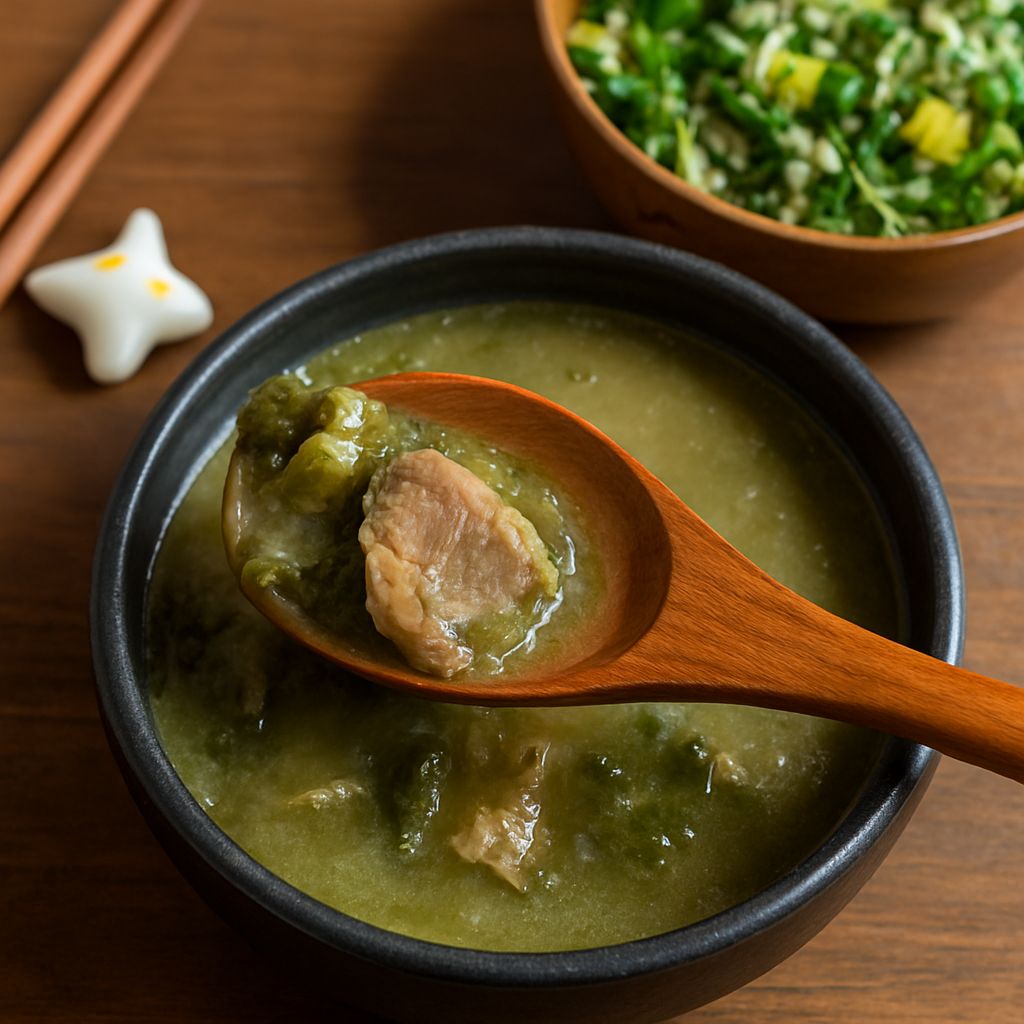
Seaweed soup is one of the most comforting dishes in Korean cooking, valued for its clean broth and mineral-rich ingredients. Whether you are new to the dish or refining a family recipe, this guide walks you through everything you need to know. Seaweed soup korean style has been a staple for centuries, enjoyed at birthdays and everyday meals alike. You will learn a reliable seaweed soup recipe alongside tips on how to make seaweed soup with confidence.
This bowl is more than just a soup. It delivers iodine, calcium, and fiber in every spoonful. Kelp soup varieties offer slightly different textures and flavors, but they share the same nourishing core. Read on to pick the approach that works best for your kitchen.
What Makes Seaweed Soup Special
The appeal of this soup comes from its simplicity. Dried wakame or miyeok rehydrates into silky ribbons that absorb broth beautifully. The flavor is mild, oceanic, and clean. Unlike heavy stews, the broth stays light and digestible. Many home cooks return to this dish when they want something restorative without spending hours in the kitchen.
Korean households often serve miyeok-guk on birthdays as a tribute to mothers who ate it after childbirth. That tradition alone shows how deeply the dish is woven into daily life. The seaweed itself is the star, and the broth carries its natural brininess forward.
Key Ingredients for Seaweed Soup Korean Style
You need very few ingredients. Dried miyeok is the base. Soak it in cold water for about 10 minutes, then drain and cut into manageable pieces. For protein, most versions use beef brisket or clams, though tofu works well for a lighter bowl. Sesame oil adds a subtle nuttiness at the start of cooking. Soy sauce or fish sauce seasons the broth without overpowering the kelp.
Quality matters here. Choose dried seaweed that is dark green and free of excess salt. Fresh garlic adds depth. If you want a richer bowl, a small piece of dashima (dried kelp) simmered and removed early gives the broth an extra layer of umami. This approach ties directly into the kelp soup tradition across coastal Korean regions.
How to Make Seaweed Soup Step by Step
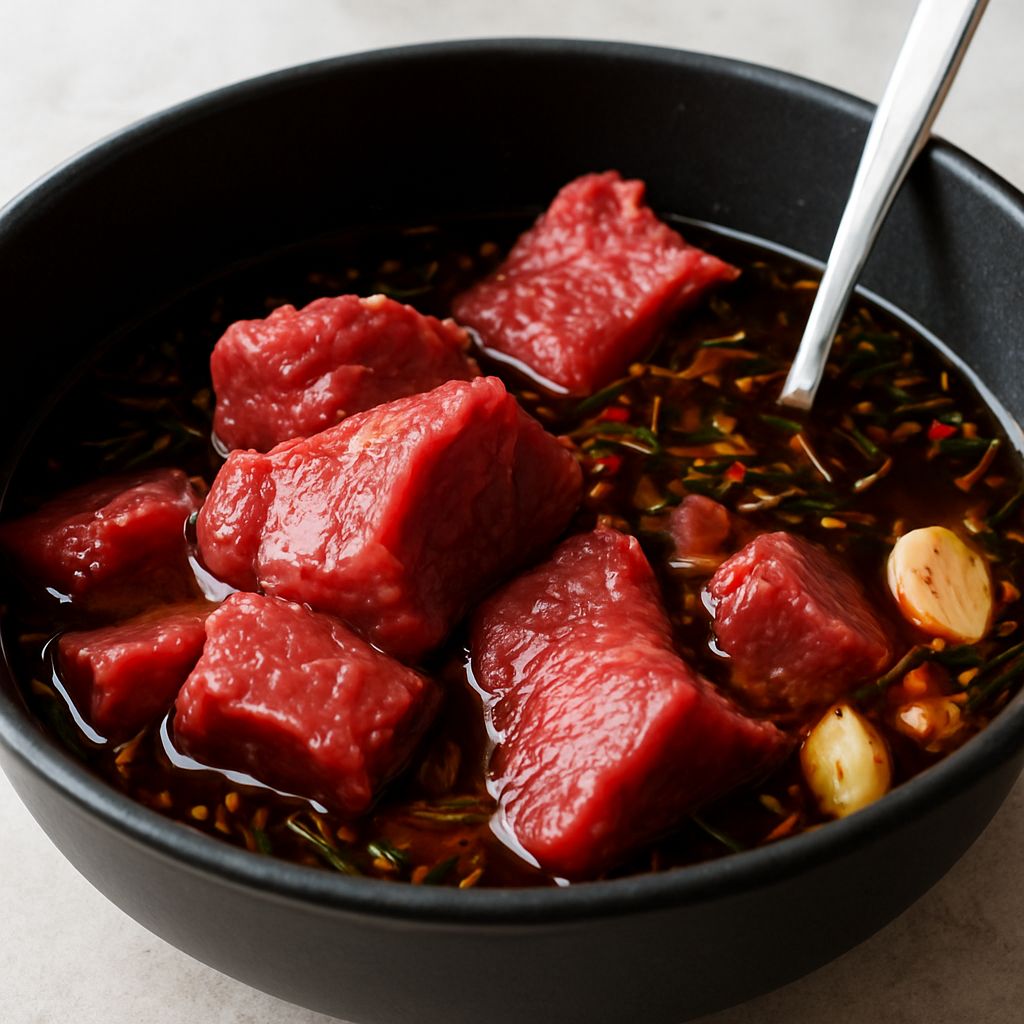
Start by soaking 30 grams of dried miyeok in cold water for 10 minutes. Drain, squeeze gently, and cut into 5 cm lengths. Heat a pot over medium, add a teaspoon of sesame oil, and briefly cook thin slices of beef brisket. Once lightly browned, add the seaweed and stir for one minute.
Pour in five cups of water or light beef stock. Add minced garlic, a tablespoon of soy sauce, and a pinch of salt. Simmer for 20 minutes, skimming any foam that rises. Taste and adjust. This seaweed soup recipe takes under 40 minutes from start to finish. The method for how to make seaweed soup stays the same whether you use beef, clams, or keep it plant-based.
Kelp Soup Variations Worth Trying
Kelp soup typically uses dashima, also called kombu, rather than wakame. The texture is firmer and the flavor more intense. Simmer dashima pieces in water for 15 minutes, remove the kelp, then build a broth from that base. Add miso, tofu, and thin mushrooms for a Japanese-influenced variation that still feels close to the Korean original.
A clam-based version is another popular route. Replace beef with fresh clams, let them open in the broth, and finish with a splash of rice wine. Each variation keeps the seaweed central while changing the supporting flavors. Try at least two versions before settling on your go-to bowl.
Serving and Storing Your Soup
Serve the soup hot alongside steamed rice and a small dish of kimchi. The broth soaks into the rice in the most satisfying way. Leftovers keep in the refrigerator for up to three days. The seaweed continues to absorb liquid overnight, so you may need to add a splash of water when reheating.
Freeze portions without the seaweed for best texture, then add freshly soaked miyeok when you reheat. A few drops of sesame oil stirred in just before serving revives the aroma. This dish rewards even brief attention to finishing touches.