Vinegar pepper sauce is a condiment with deep roots in Southern kitchens, where a bottle of it sits on the table alongside everything from greens to fried chicken. The tang of vinegar and the heat of peppers work together in a way that is sharper and more direct than any creamy hot sauce. Pepper vinegar sauce has been made at home for generations, and the process is straightforward enough that there is no good reason to buy a commercial version. A proper southern pepper sauce starts with the right peppers and the right vinegar.
A well-made vinegar-based hot pepper sauce recipe is also one of the most forgiving things you can make. The acidity preserves the peppers and prevents spoilage, so the margin for error is wide. Whether you follow a traditional vinegar pepper sauce recipe or adjust the heat to your preference, the method stays the same.
Choosing Your Peppers
The pepper selection shapes the final heat level and flavor. Tabasco peppers are the traditional choice for vinegar-based preparations. They are small, thin-walled, and very hot. Bird’s eye chiles offer similar heat. For a milder southern pepper sauce, use banana peppers or Fresno chiles. A blend of two varieties gives both complexity and a balanced burn. Use fresh, firm peppers without soft spots.
Selecting the Right Vinegar
White distilled vinegar is the standard in a southern pepper sauce. It is sharp, clean, and lets the pepper flavor come through without interference. Apple cider vinegar adds a slight sweetness and fruitiness that works well with milder peppers. Avoid malt vinegar for this application; its robust flavor competes with rather than carries the pepper. The vinegar is both the preserving agent and the primary liquid in a pepper vinegar sauce, so quality matters.
Basic Vinegar Pepper Sauce Recipe
Simple Tabletop Version
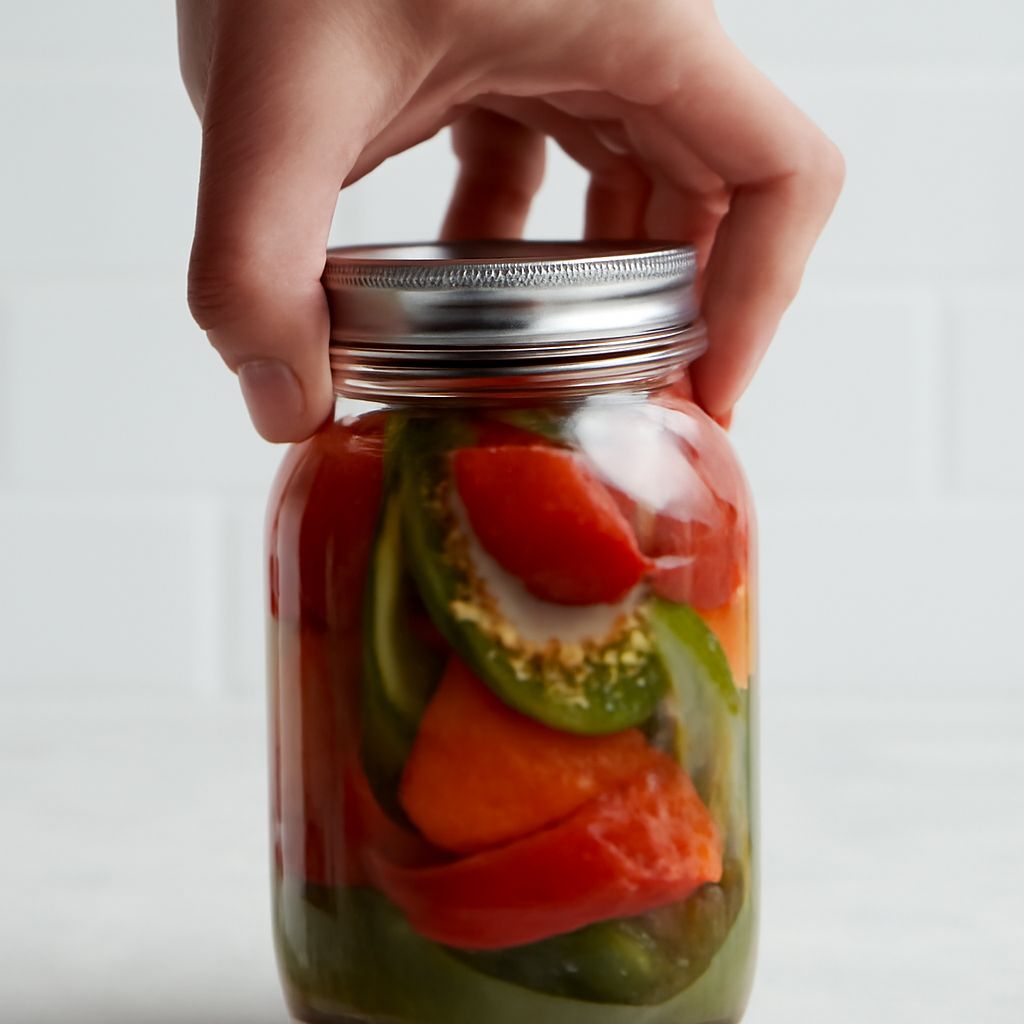
Pack whole fresh peppers into a clean glass jar or bottle. Bring white vinegar to a boil, let it cool for two minutes, then pour it over the peppers until they are fully submerged. Seal the container. Let it sit at room temperature for at least two days before using. The vinegar draws flavor from the peppers over time. This is the most traditional vinegar pepper sauce recipe in Southern households and requires nothing more than peppers and vinegar.
Blended Version
For a pourable sauce, combine peppers, vinegar, a clove of garlic, and half a teaspoon of salt in a blender. Process until smooth, then strain through a fine mesh sieve. Transfer to a clean bottle. This version of the vinegar-based hot pepper sauce recipe is closer to what you find in commercial bottles but with far more fresh pepper flavor.
Fermented Variation
Some vinegar pepper sauce traditions involve a short fermentation step before adding vinegar. Pack peppers with salt in a jar and let them sit at room temperature for 3 to 5 days. Beneficial bacteria develop and add a mild sourness before the vinegar goes in. The result is a pepper vinegar sauce with more depth than the quick-steep version. This method is optional but worth trying if you make the sauce regularly.
Serving and Storage
Southern tables use this sauce on cooked greens, beans, and eggs. Splash it into braised meat for a bright counterpoint to richness. A few drops lift a bowl of black-eyed peas immediately. Store sealed bottles at room temperature for up to six months. Once opened, refrigerate and use within three months. The sauce sharpens slightly over time as the vinegar continues to work on the peppers.
Key takeaways: Use fresh firm peppers and white distilled vinegar for the clearest flavor. The steep method is the fastest, while the blended version gives a pourable consistency. A southern pepper sauce improves with time, so make a batch and let it rest before judging the result.