Roast seasoning is the difference between a forgettable cut and a deeply flavored centerpiece. A well-built spice blend does more than add salt. It creates a crust, draws out moisture in the right places, and ties the whole roast together. Beef roast seasoning can be as simple as four ingredients or as layered as a ten-spice rub. Knowing which direction to take starts with understanding your meat and your method.
This guide covers pot roast seasoning mix options, explains what changes when you use a slow cooker, and shows you how to build pot roast seasoning homemade with pantry staples. Crock pot roast seasoning has its own logic, and that logic is worth understanding before you commit to a blend.
Why Roast Seasoning Matters
A roast is a long cook. That time is either working for you or against you. Without proper seasoning at the start, even the best cut tastes flat. Salt draws out surface moisture, which then reabsorbs and carries flavor into the meat. Fat-soluble spices like paprika and garlic powder penetrate deeper during slow cooking. The roast seasoning you apply before cooking shapes everything that follows.
Building a Beef Roast Seasoning Blend
Core Spices
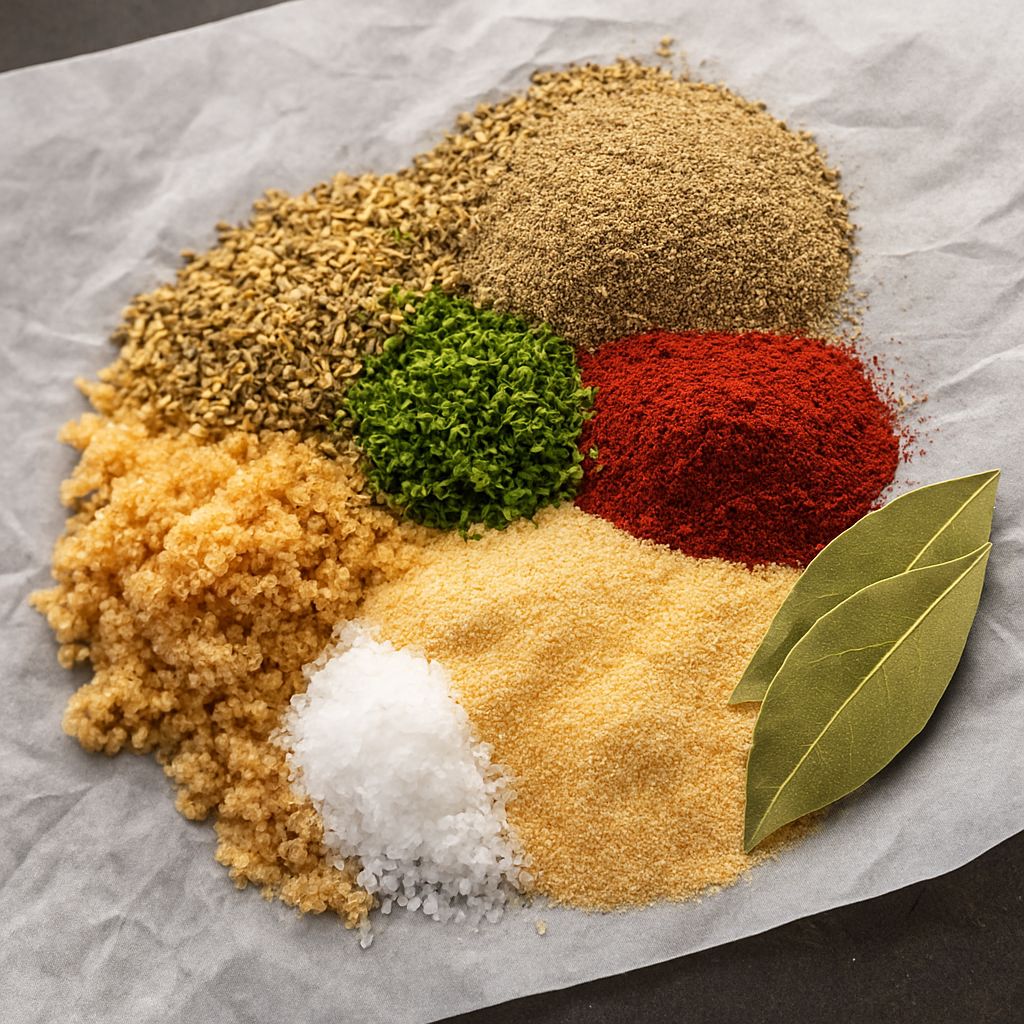
A solid beef roast seasoning starts with salt, black pepper, garlic powder, and onion powder. These four cover the foundation. From there, add smoked paprika for color and a subtle smokiness. Dried thyme and rosemary bring herbal depth that pairs naturally with beef. Cayenne is optional, but even a small amount lifts the other flavors without making the roast spicy.
Salt and Pepper Base
Use coarse kosher salt rather than fine table salt. Coarse salt distributes more evenly over the surface and creates a better crust. Freshly cracked black pepper has more aroma than pre-ground. Apply the blend at least 30 minutes before cooking, or up to 24 hours ahead for a deeper, more integrated flavor.
Making Pot Roast Seasoning Mix at Home
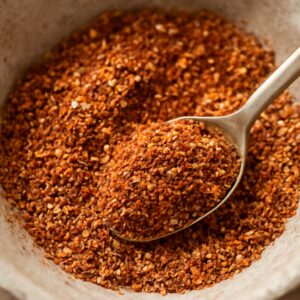
A reliable pot roast seasoning mix combines two teaspoons of salt, one teaspoon each of garlic powder and onion powder, one teaspoon of smoked paprika, half a teaspoon of dried thyme, and a quarter teaspoon of black pepper. Mix everything in a small jar and store it at room temperature for up to three months. This ratio works for a three to four pound chuck roast. Scale up proportionally for larger cuts.
Making your own blend means you control the sodium level. Many store-bought mixes carry a heavy salt load that makes it hard to adjust seasoning later. A homemade version lets you keep salt separate and add it to taste, which gives you more flexibility during cooking.
Crock Pot Roast Seasoning: What Changes
Crock pot roast seasoning needs a slightly different balance. Slow cookers trap moisture, which means the broth and steam constantly wash over the meat. Delicate herbs like fresh thyme lose their punch quickly. Stick to dried herbs and go a little heavier on garlic and onion powder than you would for an oven roast. The longer cook time in a slow cooker softens those sharper flavors into something more mellow and integrated.
Avoid using smoked salt in a slow cooker. The closed environment concentrates smoke flavor in a way that can turn bitter by hour six. Regular kosher salt stays cleaner over a long cook. Worcestershire sauce or a tablespoon of tomato paste added to the broth does more for depth than extra spices.
Pot Roast Seasoning Homemade vs Store-Bought
Store packets are convenient, but pot roast seasoning homemade gives you full control. Commercial mixes often include cornstarch or maltodextrin as fillers, which can thicken the sauce in ways you might not want. A homemade blend has no fillers and no mystery ingredients. It also costs less per batch once you have the base spices on hand.
If convenience is the priority, look for store-bought blends with short ingredient lists. Avoid anything with artificial flavors or excessive sodium as the first ingredient.
How to Apply Seasoning for Best Flavor
Pat the roast dry before applying any blend. Moisture on the surface dilutes the spices and slows browning. Rub the seasoning into every surface, including the underside and any crevices. For an oven roast, sear the seasoned meat in a hot pan before transferring it to the oven. That sear locks in the spice crust and adds another layer of flavor through caramelization. For the slow cooker, the sear is optional but worth doing if you have the time.