A softly set white and a warm, flowing yolk are within reach with a saucepan, a timer, and a bowl of cold water. To make an egg with a tender center, lower it gently into simmering water and start timing as soon as it goes in.
The cooking time for soft boiled eggs depends on their size and starting temperature. The method below uses large eggs straight from the refrigerator, so you can repeat it and adjust the next batch to your taste.
How Long to Cook Soft Boiled Eggs for Your Favorite Yolk
For large, refrigerator-cold eggs lowered into gently boiling water, start with 6 1/2 minutes for a runny yolk and a just-set white. Around 7 minutes generally produces a thicker, jammy center; 8 minutes gives a more set but still soft yolk. These are starting points: test one egg and adjust by 30 seconds next time. The water temperature, egg size, and pan can change the result.
If you are wondering how long to cook soft boiled eggs, keep the water at a gentle boil throughout and start the timer when the eggs enter the pan. Use enough water to cover them by about an inch. A furious boil can knock the shells together, while water that cools substantially when a large batch goes in can lengthen cooking.
A runny yolk is undercooked and can carry a risk of Salmonella. The FDA recommends cooking eggs until both white and yolk are firm; children, pregnant people, older adults, and people with weakened immune systems are at greater risk of serious illness. For a runny center, use eggs pasteurized in the shell when available; for the lowest-risk choice, cook until both parts are firm. Keep eggs refrigerated and use clean, uncracked shells.
The Simple Stovetop Method
You will need two large eggs, water, a small saucepan, a slotted spoon, a timer, and a bowl of ice water. The same method works for up to four eggs in a pan large enough to hold them in one layer. If cooking more, choose a wider pot and make sure the water returns promptly to a gentle boil.
- Prepare the cooling bath. Fill a bowl with cold water and a generous handful of ice. Set it beside the stove before the eggs go into the pan.
- Heat the water. Pour enough water into the saucepan to cover the eggs by about 1 inch. Bring it to a boil, then lower the heat until the bubbles are steady but gentle.
- Lower and time. Use a slotted spoon to lower the cold eggs into the water one at a time. Start the timer as soon as they are submerged. Maintain the gentle boil and cook for 6 1/2 minutes for a flowing center, or use the timing guide above.
- Cool briefly. Lift the eggs straight into the ice water. Leave them for about 1 minute if serving warm, or 3 to 5 minutes if peeling for a cooler dish. This slows further cooking and makes the shells easier to handle.
- Open or peel. For an egg cup, tap around the narrow end with a spoon and lift off the top. To peel the whole egg, gently crack the shell all over and begin at the wider end, slipping a fingertip beneath the membrane. Work slowly under a trickle of water if needed.
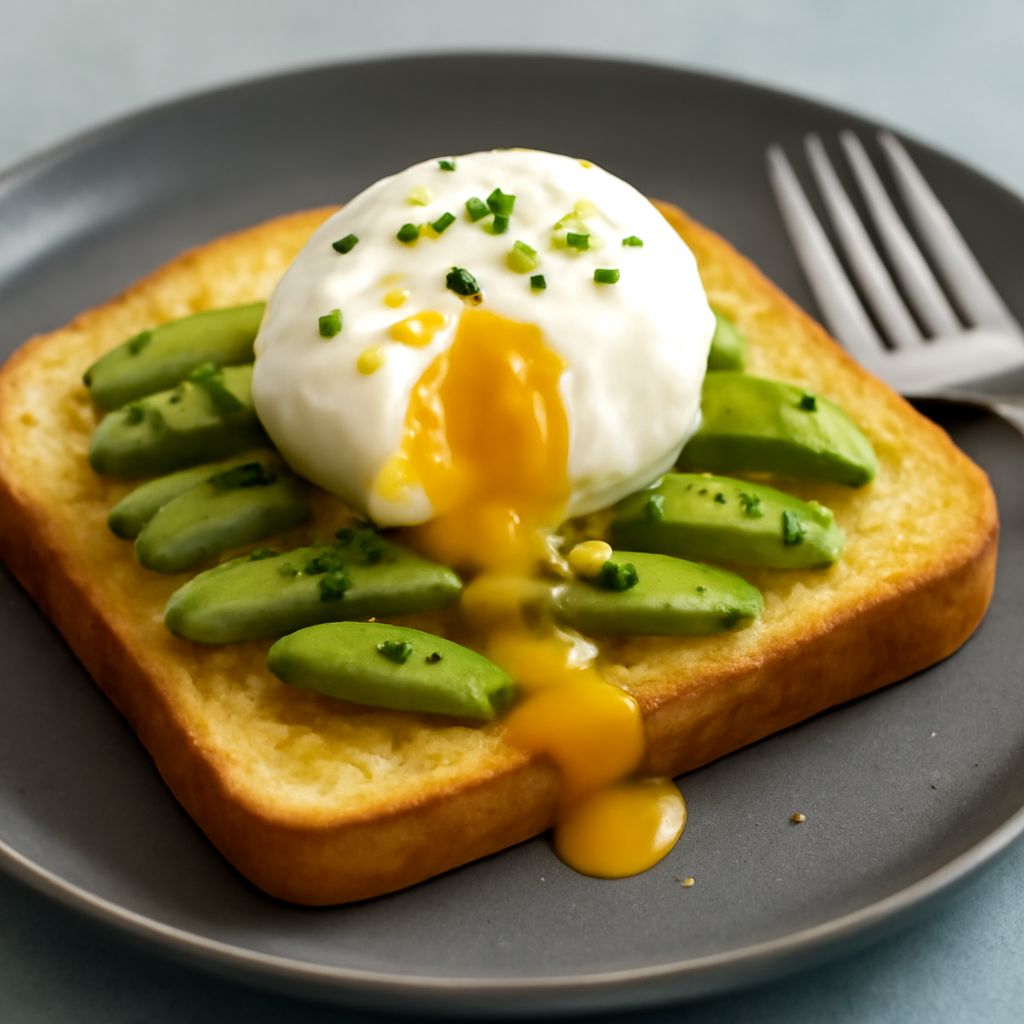
Serve immediately with toast, or pat the peeled egg dry and place it on a bowl of warm grains or vegetables. The white should hold its shape while the center stays as soft as your chosen timing allows.
Understand the Result You Are Looking For
What is a soft boiled egg? It is an egg cooked in its shell until the white is set and the yolk remains soft, ranging from fluid to custardy. A softly cooked egg means a set white with a tender yolk; the difference between flowing and jammy can be less than a minute, so use a timer.
A soft-boiled egg reveals its texture when you cut it open: a tender white surrounds a center that spreads or holds a soft mound. If the white is translucent and loose, it needs more cooking. If the yolk is firm all the way through, shorten the time for the next batch and move the eggs into the cooling water promptly.
When making soft boiled eggs, cook two from the same carton. Open one after cooling briefly and use its center to adjust the next batch.
Keep the Timing Consistent
How long soft boiled eggs take to cook depends partly on their starting temperature. A cold egg takes longer to heat through than an otherwise similar egg already at room temperature. These timings for cooking eggs with soft centers assume refrigerator-cold eggs. Keep that starting point consistent, especially when making a second batch for guests.
How long to cook a soft boiled egg also depends on its size. Extra-large eggs can need a little more time, while medium eggs can cook sooner. To decide how long to boil one egg with a soft center, inspect it and adjust in small increments. At high altitude, water boils at a lower temperature, so the same result may take longer; use the first egg as your test.
The soft boiled egg cook time begins when the eggs enter the water, not when the water first comes to a boil. Lower them gently and close together, then start the timer. If a large cold batch stops the bubbling, use a larger pot next time.
For perfect soft boiled eggs, keep the boil gentle and the water level high enough to cover the shells. A lid helps the water recover, but watch so it does not boil over. Small changes are easier to interpret when you keep the pan, egg size, and starting temperature the same.
Cooling and Peeling Without Tearing the White
Knowing how to cook a soft boiled egg includes stopping the cooking at the right moment. An ice-water bath cools the shell quickly and slows the heat moving into the center. To prepare a softly cooked egg for an egg cup, a brief dip leaves it warm; a longer dip makes the delicate white easier to handle for peeling. Do not leave the egg in the hot water after the timer rings.
Tap the wider end first, where there is usually an air pocket. Make small cracks over the shell, then find the thin membrane underneath. Ease a fingertip between membrane and white and lift away small sections. Rolling the egg hard on the counter can split the fragile white and release the yolk, so use a light touch.
If a patch clings, dip the egg back into the cold water and try another edge. Running a little water between shell and white can help loosen fragments. Check the finished surface for tiny pieces of shell before serving. Peeling is easier after several minutes in the bath, but the center will be cooler; choose the cooling time to suit the dish.
Serve, Store, and Adjust
How do you make soft boiled eggs into a quick meal? Set one in an egg cup and serve with narrow strips of buttered toast for dipping. A little salt and pepper bring out the richness of the yolk. Another way to prepare soft eggs is to halve them over rice, sautéed greens, or broth. Cut gently with a thin knife so the white stays intact.
Serve cooked eggs promptly. If you are not eating them immediately, refrigerate them within two hours, or within one hour when the temperature is above 90°F. Keep them at 40°F or below and eat promptly; for longer storage, choose fully cooked eggs and follow established storage guidance. Do not leave a bowl of cooked eggs on the counter through a long brunch.
How long do you boil a soft boiled egg when the first one is too firm? Reduce the next batch by about 30 seconds and transfer it straight to ice water. If the white is still loose, add 30 seconds instead. Change the cooking duration for soft eggs in small steps and use the same size eggs.
The perfect soft boiled egg time is personal: some people want a yolk that pours, while others prefer a thicker center. For your ideal timing for a soft egg, record the boiling and cooling periods together. An egg left in hot water after the timer stops continues to cook, so a precise timer helps only when the transfer is just as prompt.
Small Troubleshooting Checks
Once you know how to make a soft boiled egg, the next batch is easy to refine. A cracked shell can leak white into the water; lower eggs gently rather than dropping them, and keep the water at a gentle boil. If a shell sticks, cool the egg a little longer and peel beneath the membrane. If the white is still translucent, cook the next batch a little longer; if the yolk is firmer than you wanted, shorten the time and cool immediately.