If you want to understand Latin cooking at its most elemental, start with a proper mojo sauce recipe. This Cuban condiment combines garlic, citrus juice, oil, and herbs into a bold, tangy sauce that works as a marinade, dipping sauce, and finishing drizzle all at once. Knowing what is mojo sauce also means understanding that there are two distinct styles: a Cuban garlic-citrus version and a Canarian (Spanish island) version with chilis. Both are excellent. This guide focuses primarily on the Cuban tradition.
Some people confuse it with mojito sauce or call it a Cuban herb sauce, but real mojo (pronounced mo-ho) is garlic-forward and citrus-bright, not sweet or minty. A classic cuban green sauce version adds fresh herbs like cilantro or parsley for color. The garlic mojo sauce base is the constant across all versions: an assertive, aromatic sauce that transforms everything it touches.
The Core Mojo Sauce Recipe
For a standard Cuban mojo, combine:
- 8 cloves garlic, minced or crushed
- 1/2 cup fresh orange juice
- 1/4 cup fresh lime juice
- 1/3 cup olive oil
- 1 teaspoon dried oregano or fresh oregano leaves
- 1/2 teaspoon ground cumin
- Salt and black pepper
Heat the olive oil in a small saucepan until hot but not smoking. Add the minced garlic and let it sizzle for 30 seconds. Remove from heat immediately and pour in the citrus juices. Add the oregano, cumin, salt, and pepper. Stir to combine. The hot oil blooms the garlic and oregano while the citrus acids deglaze the pan slightly. This is the core mojo sauce recipe that Cuban cooks have used for generations.
What Is Mojo Sauce Used For
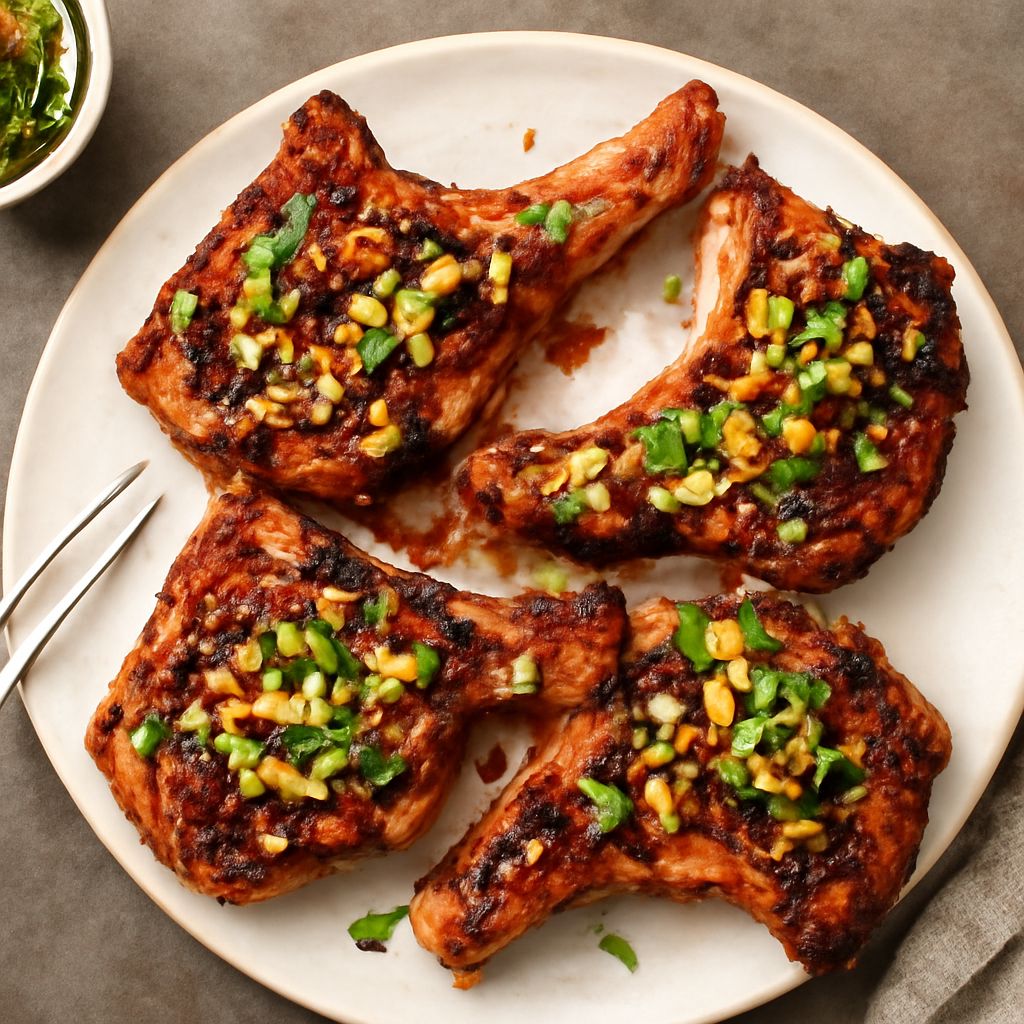
What is mojo sauce good for? The list is long. Use it as a marinade for pork, chicken, or shrimp before grilling or roasting. Marinate for at least two hours, ideally overnight. The acid tenderizes and the garlic penetrates deeply. It also works poured warm over roasted vegetables, especially yuca, plantains, and sweet potatoes.
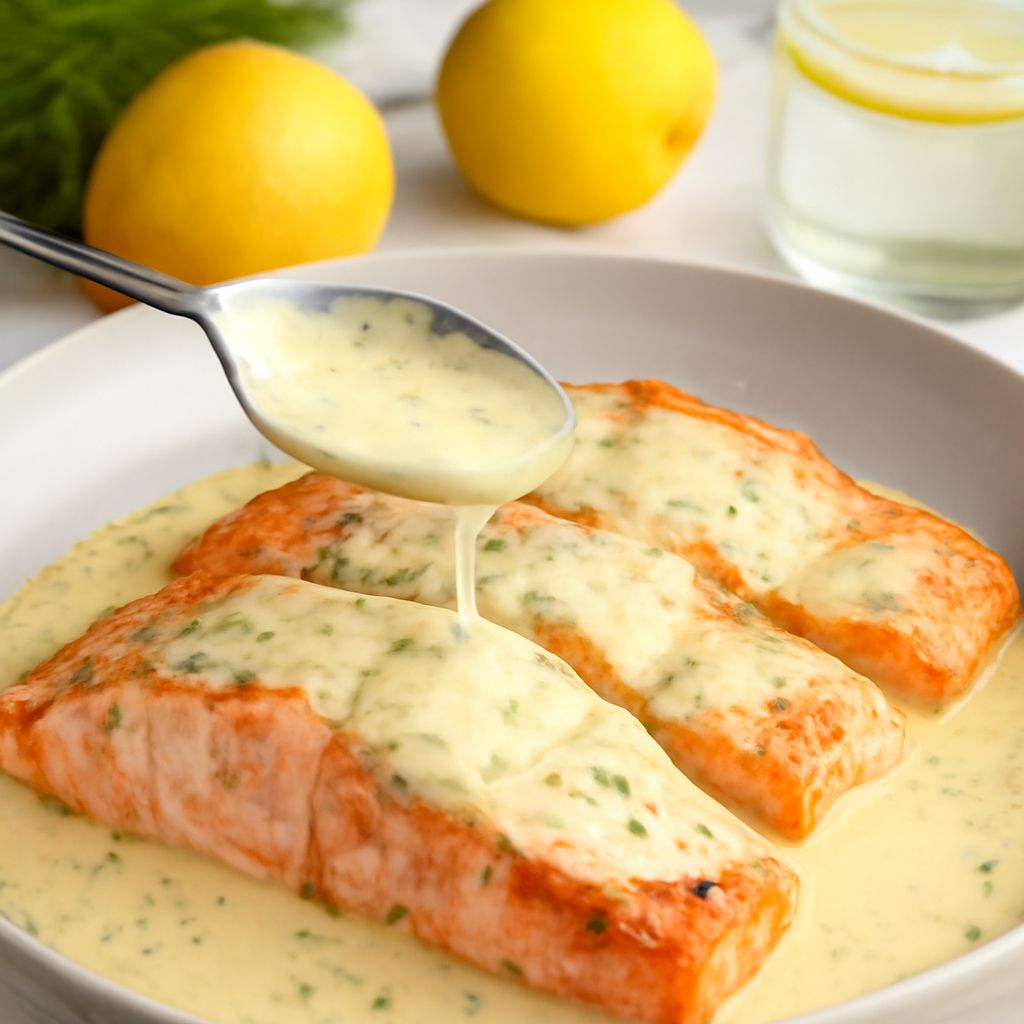
As a dipping sauce, serve it alongside tostones (twice-fried plantains) or bread. As a finishing drizzle, a spoonful over grilled fish or roasted chicken adds a bright, garlicky flourish right before serving.
The Cuban Green Sauce Variation
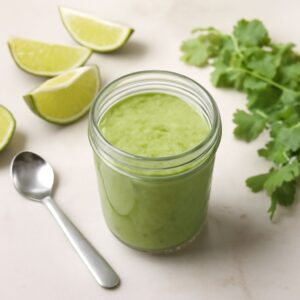
For a cuban green sauce version of mojo, add a large handful of fresh cilantro and parsley to the food processor along with the garlic, citrus juice, and olive oil. Process until smooth and bright green. This variation is more herb-forward and works particularly well as a dipping sauce or drizzle where the visual appeal of the green color matters.
The garlic mojo sauce character stays intact in the green version because the herbs don’t diminish the garlic punch; they add freshness alongside it.
Mojito Sauce vs Mojo: The Confusion Explained
The term mojito sauce gets used loosely to describe various herb and garlic condiments in Latin cooking. Some people use it interchangeably with mojo. Technically, a mojito is a Cuban cocktail, but in culinary contexts the word sometimes refers to a lighter, more herby version of the mojo family. Don’t let the terminology confusion stop you from experimenting with both styles.
Storage and Shelf Life
This mojo sauce recipe keeps in a sealed jar in the refrigerator for up to two weeks. The garlic continues to infuse the oil over time, and the flavor deepens after 24 hours. If the oil congeals in the refrigerator, simply bring it to room temperature before using and give it a stir. The sauce should pour easily once it warms up.
Pro Tips Recap
Use fresh citrus juice, not bottled. The bright acidity of fresh orange and lime is what makes this garlic mojo sauce taste alive rather than flat. Heat the oil with the garlic briefly before adding the citrus to bloom the aromatics. Make it a day ahead for the best flavor. And use it generously; mojo is meant to be present in the dish, not a subtle background note.