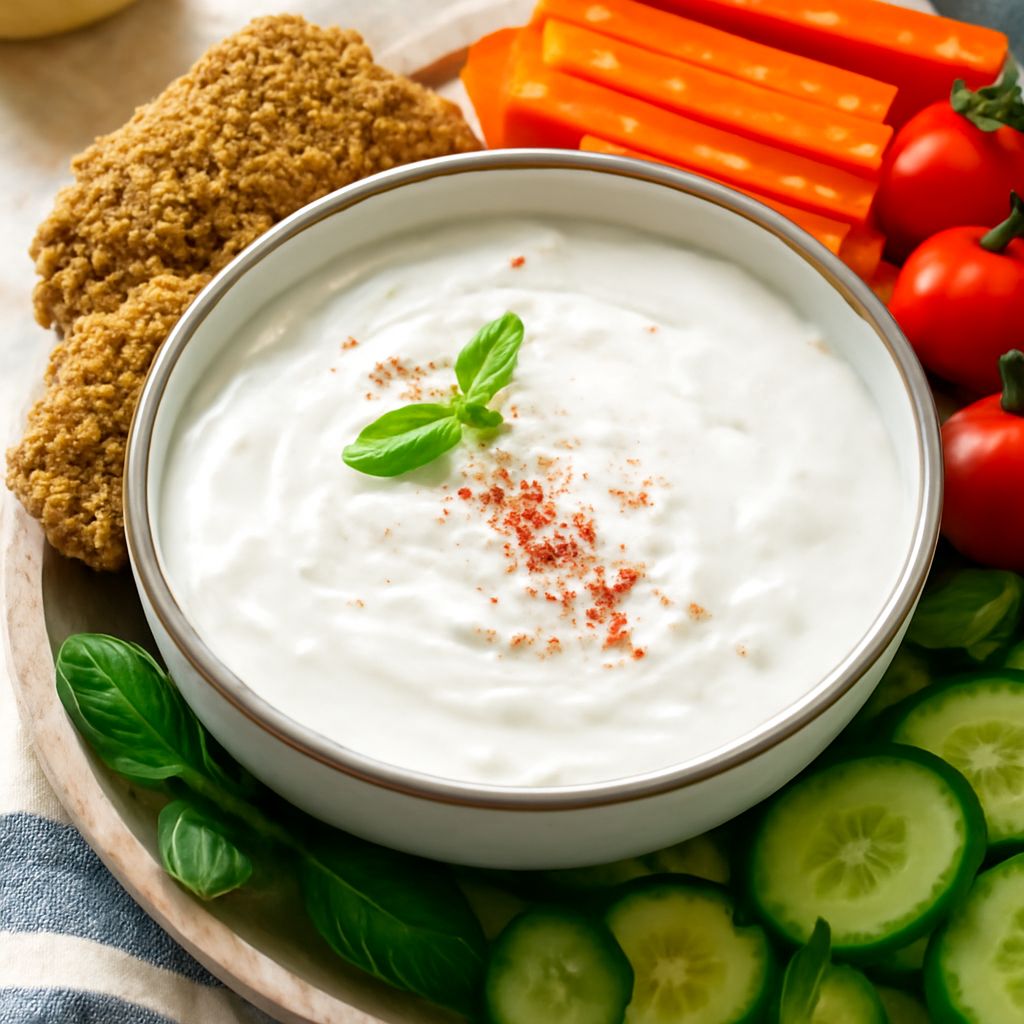
A versatile kitchen depends on knowing how to build sauces for different occasions. Yogurt tahini sauce is cooling, tangy, and works across Middle Eastern and Mediterranean dishes. A proper roast beef sauce built from pan drippings and fond is the kind of thing that elevates a Sunday roast from good to genuinely memorable.
This guide covers sauce blanche (white sauce technique), garlic dill sauce for fish and grilled vegetables, and fond sauce built from the browned bits left in a pan after searing. Each of these represents a different technique — cold emulsion, herb puree, classical white sauce, and pan sauce — and mastering them gives you a toolkit that applies across dozens of dishes.
Yogurt Tahini Sauce
Building the Balance
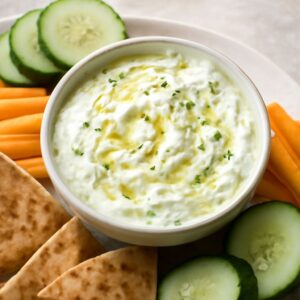
The key to good yogurt tahini sauce is balance between the tanginess of the yogurt and the richness of the tahini. Use full-fat Greek yogurt and well-stirred tahini (the oil and solids separate in the jar; always stir before using). Combine equal parts yogurt and tahini with a generous squeeze of lemon juice, a minced garlic clove, salt, and a small amount of cold water to thin to the desired consistency. Whisk until smooth. The finished sauce should be pourable but thick enough to coat a spoon.
Uses and Variations
Serve yogurt tahini sauce with falafel, grilled lamb, roasted cauliflower, or as a dip for pita. Add cumin and smoked paprika for a more complex profile. Fresh herbs — parsley, mint, or dill — stirred in at the end add brightness and color. This sauce keeps in the refrigerator for up to five days; stir before serving since the components can separate slightly.
Roast Beef Sauce
A pan roast beef sauce starts with the drippings and fond from the roasting pan. After removing the beef to rest, place the roasting pan over medium heat on the stovetop. Add diced shallot and cook for two minutes. Deglaze with red wine or beef broth, scraping up all the browned bits. Reduce by half. Add more beef broth and simmer until the sauce has the consistency you want. Whisk in a tablespoon of cold butter off-heat for gloss. Season with salt, pepper, and fresh thyme. This is a simple, elegant roast beef sauce that takes 10 minutes and uses what’s already in the pan.
Sauce Blanche
Sauce blanche is the French term for a family of white sauces built on a roux (butter and flour cooked together) with liquid added gradually. The base is béchamel — milk added to a butter-flour roux, cooked until thickened and smooth. From béchamel, you can build Mornay (with cheese), Soubise (with onion puree), or Velouté (with broth instead of milk). The key to a smooth sauce blanche is adding the liquid slowly while whisking constantly and cooking the finished sauce for at least five minutes to eliminate the raw flour taste.
Garlic Dill Sauce
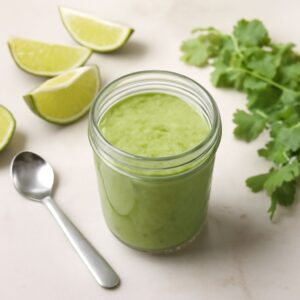
A garlic dill sauce works as both a dipping sauce and a dressing. Combine: half a cup of sour cream or Greek yogurt, two tablespoons of mayonnaise, two minced garlic cloves, three tablespoons of finely chopped fresh dill, one tablespoon of lemon juice, salt, and black pepper. Whisk to combine and refrigerate for 30 minutes before using — the resting time lets the garlic and dill flavors integrate fully. This sauce pairs particularly well with grilled salmon, steamed vegetables, and fried fish. It keeps for three to four days refrigerated.
Fond Sauce
The fond sauce technique — building a sauce from the browned residue left in the pan after searing — is one of the most valuable skills in cooking. The fond (from the French word for “base” or “bottom”) is concentrated protein and caramelized sugars from the meat. Deglaze the hot pan with wine, broth, or even water and scrape up all the brown bits with a wooden spoon. Add aromatics, reduce, finish with butter or cream. Every fond sauce is different depending on what you seared, what liquid you use, and what aromatics you add — but the technique is always the same: don’t let that flavor go to waste.