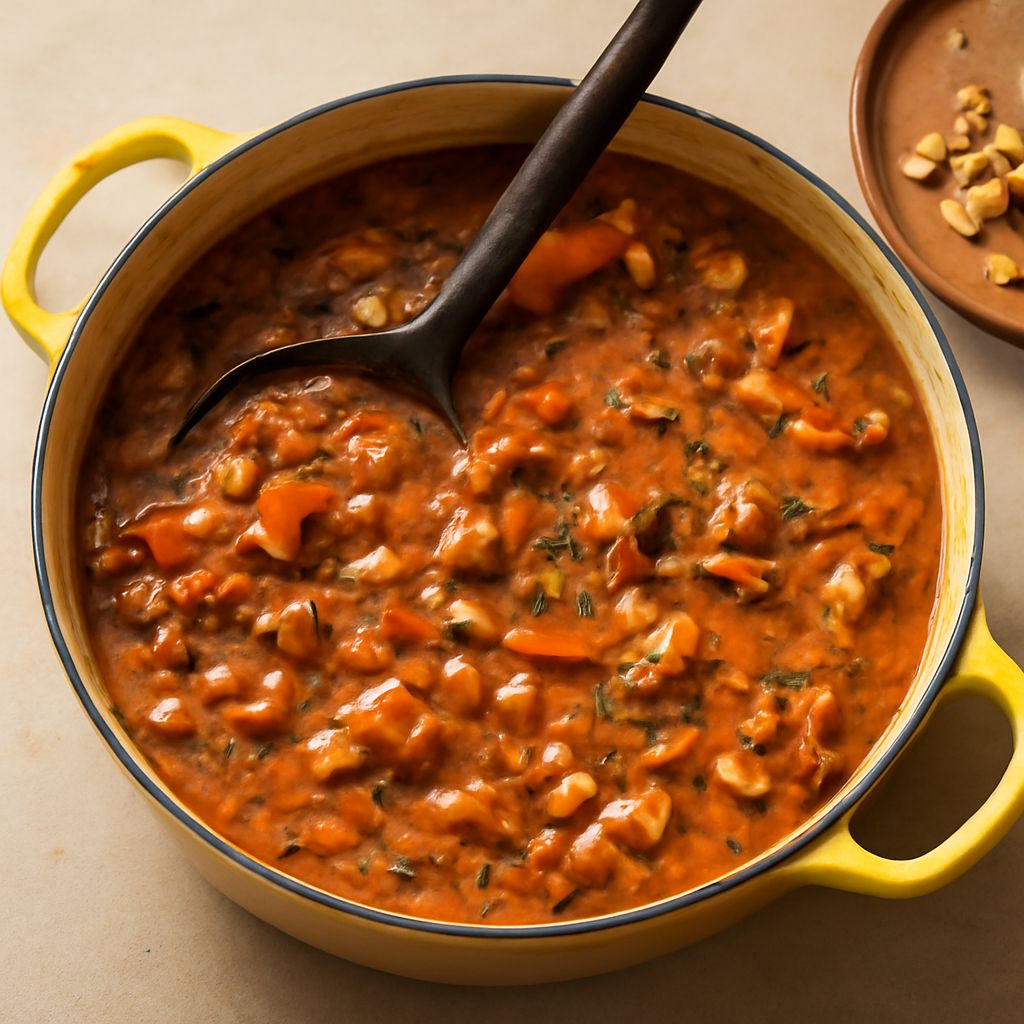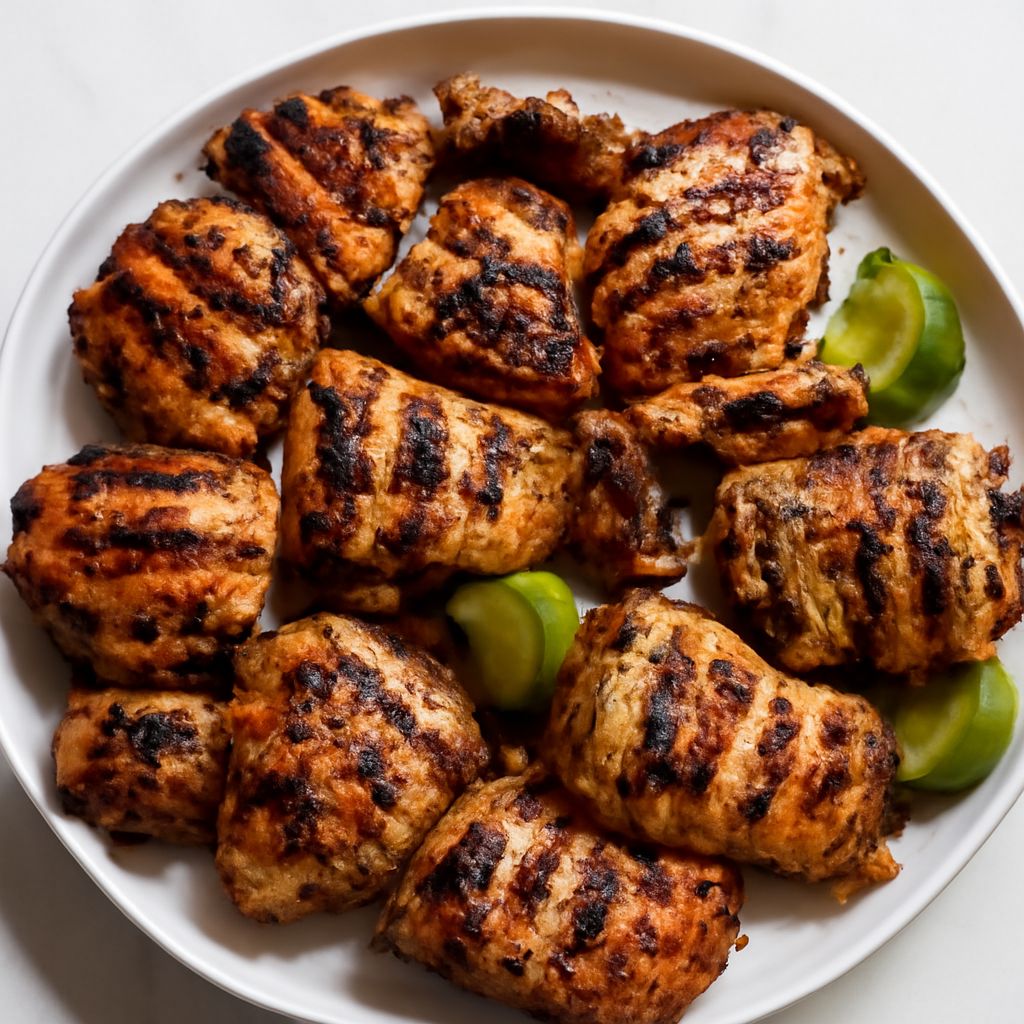
A proper jerk marinade doesn’t just season the surface of the meat — it penetrates and transforms it. The combination of scotch bonnet peppers, allspice, thyme, ginger, and a handful of aromatics creates a flavor profile that’s spicy, savory, slightly sweet, and smoky all at once. No other marinade does quite what a jerk marinade recipe does.
Whether you’re aiming for a backyard cookout or a weeknight dinner, a homemade caribbean jerk marinade beats anything bottled. This guide covers every ingredient, the blending process, and how to use your jerk seasoning marinade across different proteins. An authentic jerk marinade takes about 10 minutes to make and does most of its work while the meat sits in the refrigerator.
What Defines a Real Jerk Marinade
The Essential Ingredients
Scotch bonnet peppers are the defining ingredient in any jerk marinade. They have a fruity, floral heat that’s distinct from jalapeños or habaneros. If scotch bonnets aren’t available, habaneros are the best substitute — they share the same fruity character. Whole allspice berries (or ground allspice) are the second essential ingredient. In Jamaican cooking, allspice is called “pimento” and it provides a warm, clove-like backbone. Fresh thyme, green onions, garlic, ginger, soy sauce, brown sugar, and a neutral oil round out the base of this caribbean jerk marinade.
Heat Level: Finding Your Balance
One scotch bonnet makes the marinade moderately hot. Two brings real fire. Remove the seeds and membrane to lower the heat while keeping the flavor. If you’re cooking for people who don’t tolerate heat well, substitute a milder chili and increase the black pepper to compensate. The heat should be present but not punishing — it’s one element among many in an authentic jerk marinade, not the entire story.
How to Make Jerk Marinade
Blending the Marinade
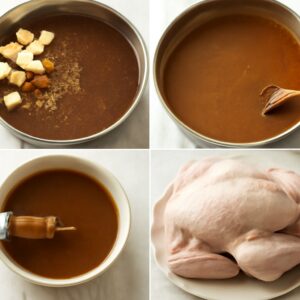
Combine all the marinade ingredients in a blender or food processor. Blend until smooth. You want a thick, cohesive paste rather than a watery liquid — the paste clings to the protein and doesn’t simply drip off during cooking. If it’s too thick to blend, add a tablespoon of oil or water and process again. Taste before using: it should be assertive, spicy, and complex. Adjust salt, brown sugar, or lime juice to balance the flavor to your preference.
Marinating Time by Protein
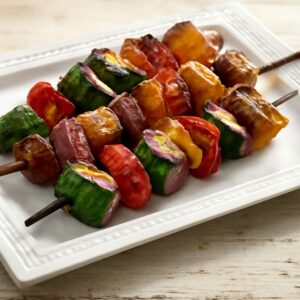
Chicken pieces with skin-on and bone-in need four to 24 hours for the jerk marinade recipe to fully penetrate. Whole chicken thighs and legs are the classic vehicle for this marinade. Pork shoulder or ribs: overnight minimum, up to 36 hours. Shrimp: 30 minutes maximum — longer and the acid and salt begin to affect the texture. Firm tofu or vegetables: two to four hours. Score or cut slashes into thicker pieces of meat before marinating to give the marinade more surface area to work with.
Cooking Methods That Work Best
Grilling over charcoal produces the most authentic result — the smoke from the grill complements the allspice and thyme in the jerk seasoning marinade in a way gas grilling can’t fully replicate. Cook chicken pieces over indirect heat first to ensure they cook through, then finish directly over the flame for char and caramelization. Baking at 425°F (220°C) works indoors — roast on a wire rack set over a sheet pan so air circulates underneath and the exterior crisps. Broiling for the final five minutes adds color and slight char.
Variations on the Classic
A citrus-forward version adds orange juice and more lime for brightness. A sweeter variation uses pineapple juice or fresh mango — the sugars caramelize on the grill and balance the heat. Smoked paprika in addition to the allspice pushes the marinade toward a more BBQ-adjacent profile. Each of these builds on the same authentic jerk marinade base while shifting the final character slightly.
Next Steps
Make a double batch of this jerk marinade recipe and freeze half in a zip-top bag. It keeps frozen for up to three months, ready to use whenever you need it. Experiment with different proteins each time you make it. The blend you’ve built here is a starting point — your version should reflect your heat preference and what you’re cooking. Once you’re comfortable with the foundation, try adding a small amount of tamarind paste or dark rum for complexity.