Turmeric seasoning has moved from health food stores into mainstream cooking for good reason — it adds color, warmth, and a mildly earthy flavor that works across a wide range of dishes. Good asian seasoning blends capture the complexity of East and Southeast Asian cooking in a single jar, making weeknight cooking faster without sacrificing depth.
Whether you’re building a butter seasoning for roasted vegetables, looking for a reliable vegan seasoning that doesn’t depend on meat-based ingredients for its savory character, or want a bright, fresh lemon seasoning for fish and salads, this guide covers all five categories with practical guidance on making and using each blend.
Turmeric Seasoning
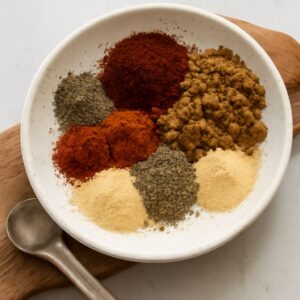
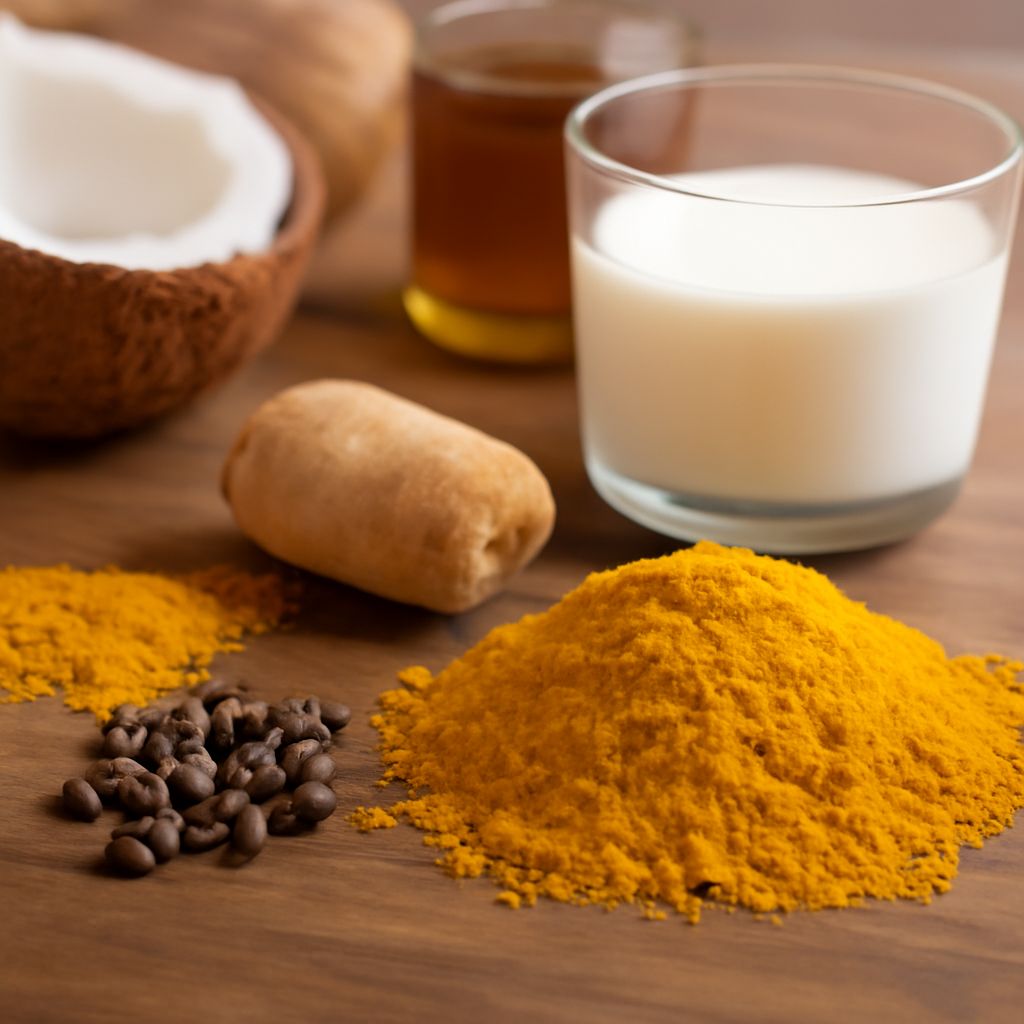
A turmeric seasoning blend typically combines ground turmeric with black pepper (which activates turmeric’s beneficial compounds), cumin, coriander, garlic powder, and ginger. The black pepper is functionally important — piperine in pepper significantly increases the bioavailability of curcumin, the active compound in turmeric. Use this blend on roasted cauliflower, chicken thighs, lentil soup, or scrambled eggs. The color it imparts is a deep, golden yellow. Store away from light, which fades both the color and potency.
Asian Seasoning Blends
The term asian seasoning covers a wide range of traditions — Japanese, Chinese, Korean, Thai, and Vietnamese blends each have distinct profiles. A Japanese-inspired blend might combine toasted sesame seeds, dried nori, bonito flakes, and salt. A Chinese five-spice blend uses star anise, cloves, cinnamon, Sichuan peppercorns, and fennel seed. A Korean gochugaru-based blend adds chili heat alongside garlic and ginger. Pick your target cuisine and build the blend to match — generic “Asian seasoning” blends tend to be a compromise that doesn’t fully satisfy any particular tradition.
Butter Seasoning
A butter seasoning blend is designed to be mixed directly into softened butter, creating a compound butter for steaks, bread, vegetables, or pasta. Classic combinations include garlic and herb (minced garlic, parsley, thyme, lemon zest), blue cheese and walnut, or truffle and parsley. For a dry blend approach: combine garlic powder, dried parsley, dried chives, and fine salt. Mix two teaspoons of the blend into four tablespoons of softened butter. Roll in plastic wrap and refrigerate until firm. Slice off rounds as needed.
Vegan Seasoning
Building a vegan seasoning that delivers umami depth without meat products requires specific ingredients. Nutritional yeast is the key — it has a naturally savory, slightly cheesy flavor and blends easily into dry seasoning mixes. Combine nutritional yeast with garlic powder, onion powder, smoked paprika, dried thyme, and salt. This blend works on roasted vegetables, popcorn, pasta, and grain bowls. Mushroom powder (dried mushrooms ground fine) is another vegan umami booster — add it to the blend for an even deeper savory quality without any animal products.
Lemon Seasoning
A good lemon seasoning blend captures the brightness of fresh citrus in a stable, shelf-stable form. Combine dried lemon zest (or lemon powder), garlic powder, dried parsley, dried dill, black pepper, and salt. The dried lemon zest is the key ingredient — grate fresh lemon zest and dry it in a low oven for 20 minutes before mixing into the blend. Use the finished blend on grilled fish, roasted chicken, steamed vegetables, and salad dressings. It’s particularly useful in winter when fresh herbs are expensive and citrus is abundant.
Bottom line: these five seasoning categories each solve a specific cooking problem. Turmeric seasoning adds color and warmth. Asian seasoning blends capture complex flavor profiles efficiently. Butter seasoning turns a simple condiment into something memorable. Vegan seasoning delivers savory depth without animal products. Lemon seasoning brings brightness to any dish that needs it. Build a small collection and your everyday cooking range expands significantly.