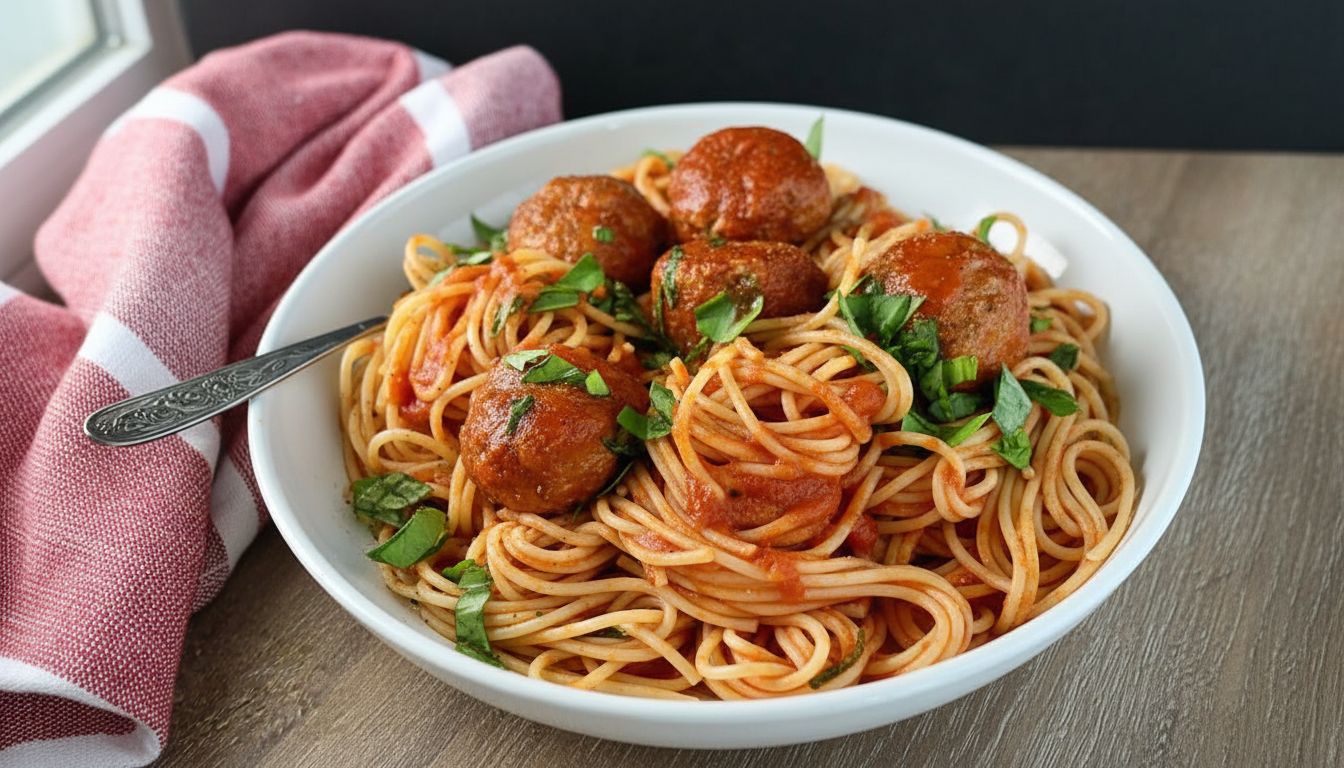
A good low sodium spaghetti sauce does not have to taste like a compromise. The challenge is replacing the flavor that salt normally amplifies, which requires building depth through other routes. A well-crafted low sodium marinara sauce uses plenty of aromatics, good tomatoes, and long cooking time to develop complexity without reaching for the salt shaker. The result can taste just as satisfying as the full-sodium version.
Most canned pasta sauces contain between 400 and 700 milligrams of sodium per half-cup serving. A homemade low salt spaghetti sauce can cut that to under 100 milligrams while keeping the flavor intact. A reliable low sodium pasta sauce recipe gives you control over every ingredient. And understanding which low sodium spaghetti sauce brands deliver on flavor helps when convenience matters more than cooking from scratch.
Ingredients That Build Flavor Without Salt
The key flavor carriers in a low-sodium sauce are: ripe tomatoes or unsalted canned tomatoes, olive oil, garlic, onion, and dried herbs. Tomato paste concentrates flavor without adding significant sodium. A splash of red wine adds depth that salt normally provides. Balsamic vinegar used in small amounts brings sweetness and acidity together. Fresh basil stirred in at the end provides a brightness that no dried herb matches.
How to Make Low Sodium Marinara Sauce
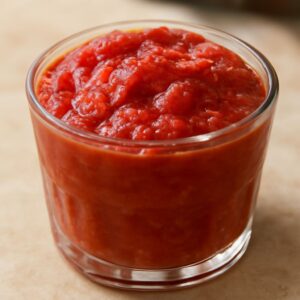
Heat three tablespoons of olive oil in a wide pan over medium heat. Add one diced onion and cook for seven minutes until softened. Add four minced garlic cloves and cook for ninety seconds. Add two tablespoons of tomato paste and stir it into the oil for one minute. Pour in one 28-ounce can of no-salt-added crushed tomatoes. Add one teaspoon dried oregano, half a teaspoon dried thyme, a pinch of red pepper flakes, and a half teaspoon of black pepper. Simmer uncovered for thirty to forty minutes. This is the core low sodium pasta sauce recipe method, and it produces a sauce with real body and layered flavor.
Flavor Boosting Techniques
Several techniques compensate for reduced salt in a low salt spaghetti sauce. Roasting the garlic before adding it creates a sweeter, nuttier flavor. A Parmesan rind simmered in the sauce during cooking adds umami without significant sodium. A tablespoon of anchovy paste dissolved in the oil at the start provides savory depth; the anchovies essentially disappear into the sauce but their flavor remains. Finishing the sauce with a small drizzle of extra virgin olive oil rounds out the flavor.
Low Sodium Spaghetti Sauce Brands
For store-bought convenience, several low sodium spaghetti sauce brands perform well. Rao’s Homestyle Marinara is widely praised for its clean ingredient list and relatively modest sodium count. Victoria White Linen marinara uses no added sugar and keeps sodium controlled. Muir Glen Organic Pasta Sauce has a certified organic no-salt-added variety. When comparing low sodium spaghetti sauce brands, look for less than 200mg sodium per half-cup serving and ingredient lists without corn syrup or artificial stabilizers.
Next Steps
Try making a batch of homemade low sodium marinara sauce this week. Freeze portions in half-cup amounts for quick weeknight use. Once you taste the difference that fresh aromatics and slow simmering make in a low salt spaghetti sauce, going back to the high-sodium jar version becomes genuinely difficult.