A good asian steak marinade transforms a straightforward cut of beef into something with real depth and complexity. The combination of soy, ginger, garlic, and sesame oil works across cultures and cooking methods. Whether you grill, pan-sear, or broil, an asian marinade for steak provides a foundation of umami-forward flavor that caramelizes under heat and forms a dark, flavorful crust. The same base can be adapted into a japanese steak marinade with mirin and sake or a more general asian marinade for beef with hoisin and five-spice.
The magic of a soy sauce steak preparation is the way soy penetrates the muscle fibers. Salt draws moisture out briefly, then pulls the marinade back in. The glutamates in soy sauce amplify the natural savory notes of the beef. Twenty minutes is enough for thin cuts. Thicker steaks benefit from two to four hours in the refrigerator.
Core Marinade Components
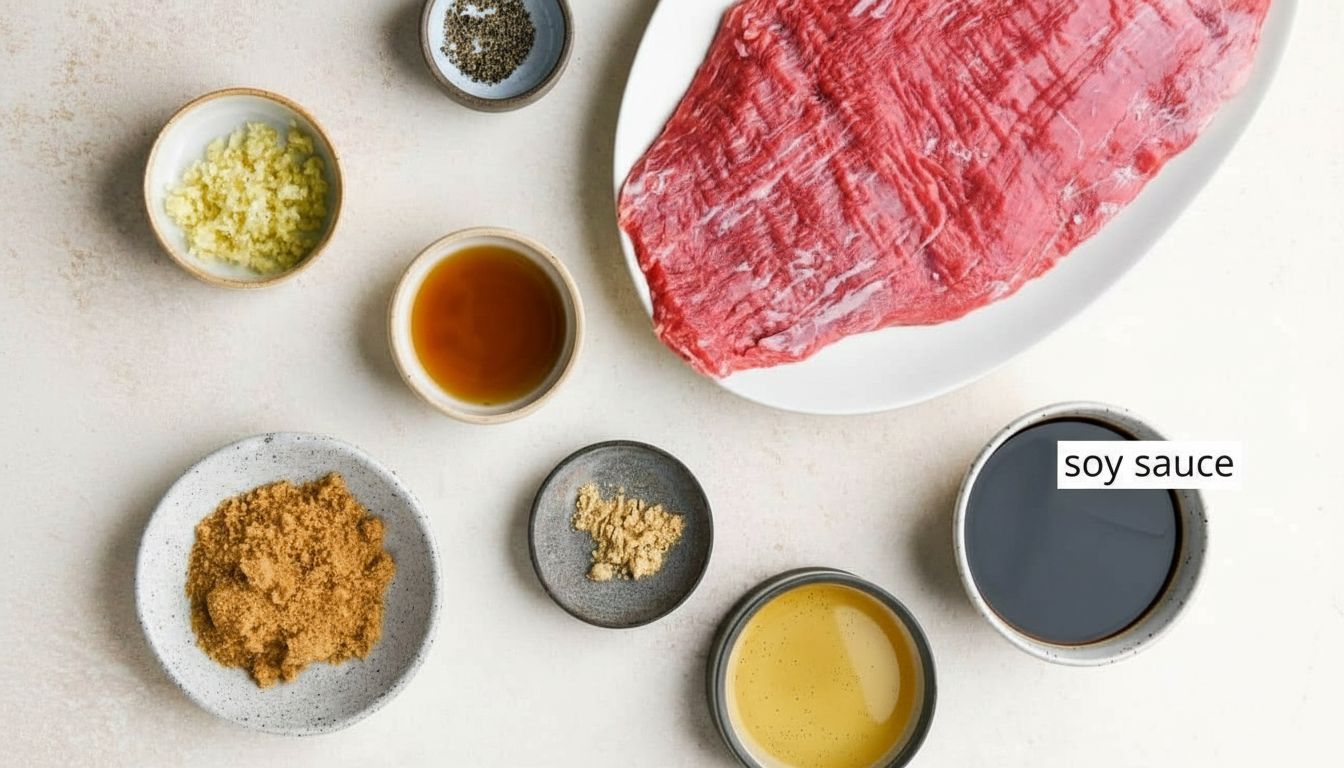
Every reliable asian steak marinade shares a few essential elements. Soy sauce provides salt and umami. An acid like rice vinegar or citrus juice tenderizes and brightens. A sweetener, usually honey, brown sugar, or mirin, creates caramelization and balances the soy’s sharpness. Sesame oil adds a distinctive nutty aroma. Garlic and ginger provide the aromatic backbone. From this base, you adjust proportions and add secondary ingredients to steer the profile in different directions.
Classic All-Purpose Recipe
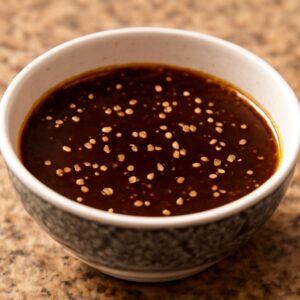
Combine: 4 tablespoons soy sauce, 2 tablespoons sesame oil, 1 tablespoon rice vinegar, 1 tablespoon brown sugar, 3 minced garlic cloves, 1 teaspoon grated ginger, and a half teaspoon of red pepper flakes. Whisk until the sugar dissolves. This asian marinade for steak yields enough for about 1.5 pounds of beef. Use it on ribeye, flank, skirt, or sirloin. It also works well as an asian marinade for beef stir-fry preparations where the meat is sliced thin before marinating.
Japanese Steak Marinade Variation
A japanese steak marinade leans on mirin and sake for a more delicate, less sharp profile. Replace the rice vinegar with two tablespoons of mirin. Add one tablespoon of sake. Reduce the soy sauce slightly to three tablespoons. This version has a sweeter, more nuanced flavor that suits sirloin and tenderloin cuts particularly well. The higher sugar content from the mirin means the crust forms quickly under high heat, so watch the pan closely. Japanese wagyu responds especially well to this preparation.
Cooking a Soy Sauce Steak
Remove the marinated steak from the refrigerator thirty minutes before cooking. Pat it dry with paper towels. Excess marinade on the surface steams the meat rather than searing it. A cast iron pan over high heat or a hot grill works best. Cook a one-inch flank steak for about three to four minutes per side for medium-rare. For a soy sauce steak with a proper crust, make sure the pan is fully preheated before the meat goes in. Let the steak rest for five minutes before slicing against the grain.
Using the Marinade as a Sauce
Never use marinade that has been in contact with raw beef as a table sauce without cooking it first. Bring it to a boil in a small saucepan, simmer for two minutes, and skim any foam. This kills any bacteria and concentrates the flavors. The reduced asian marinade for beef makes an excellent drizzle over the sliced steak, or use it as a dipping sauce for lettuce wraps or rice bowls built around the same protein.