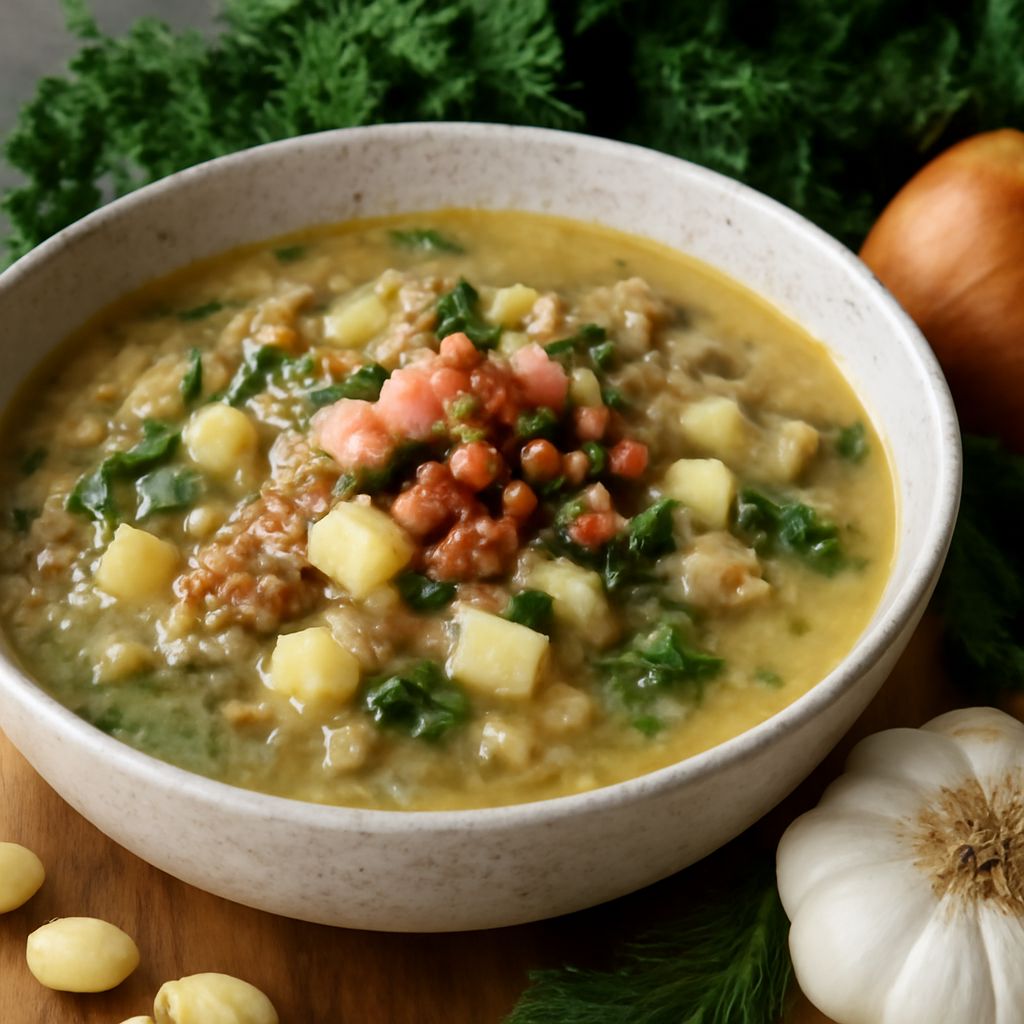
Pureed soups cover a wide range of preparations, from smooth bisques to chunky blended bowls, and they suit nearly every dietary approach. The question of can you freeze cream soups comes up often because these soups are ideal for batch cooking. The answer is yes, with some caveats. Frozen soups made with pure vegetable bases freeze and reheat well with no texture loss. Dairy-based versions need special handling. Gluten free cream soups are straightforward to make from scratch because the thickening comes from pureed vegetables rather than flour. Paleo soups and stews fit naturally into the pureed format as well, since the technique relies on whole food ingredients rather than processed thickeners.
How to Puree Soup Correctly
Immersion vs. Stand Blender
An immersion blender is the most practical tool for pureed soups. You blend directly in the pot, which means fewer dishes and less risk of hot liquid splashing. A stand blender produces a smoother result but requires cooling the soup slightly first and working in batches. Never fill a stand blender more than halfway with hot soup. Leave the lid vented and hold it down firmly. The steam from hot pureed soups can blow the lid off and cause burns.
Getting the Right Consistency
The vegetable-to-liquid ratio determines consistency. Use less liquid for a thick soup; add more broth after blending to reach the consistency you want. Pureed soups thicken as they cool, so make them slightly thinner than the desired final consistency before serving.
Can You Freeze Cream Soups
The straightforward answer: vegetable-based pureed soups freeze well for up to three months. Cream or dairy-based versions can separate and become grainy when frozen. To freeze cream soups successfully, make the base without the dairy. Freeze the base, then add cream or milk after thawing and reheating. This preserves both texture and flavor. Label frozen soups clearly with the date and the contents.
Gluten Free Cream Soups
Traditional cream soups use a flour-based roux for thickening. Gluten free cream soups achieve the same consistency through pureed vegetables. Cauliflower, potatoes, butternut squash, and parsnips all produce a smooth, creamy texture when blended. A cauliflower cream soup made without flour is indistinguishable from a roux-thickened version when made correctly. Use certified gluten-free stock to ensure the entire preparation is safe for celiac or gluten-sensitive diners.
Paleo Soups and Stews
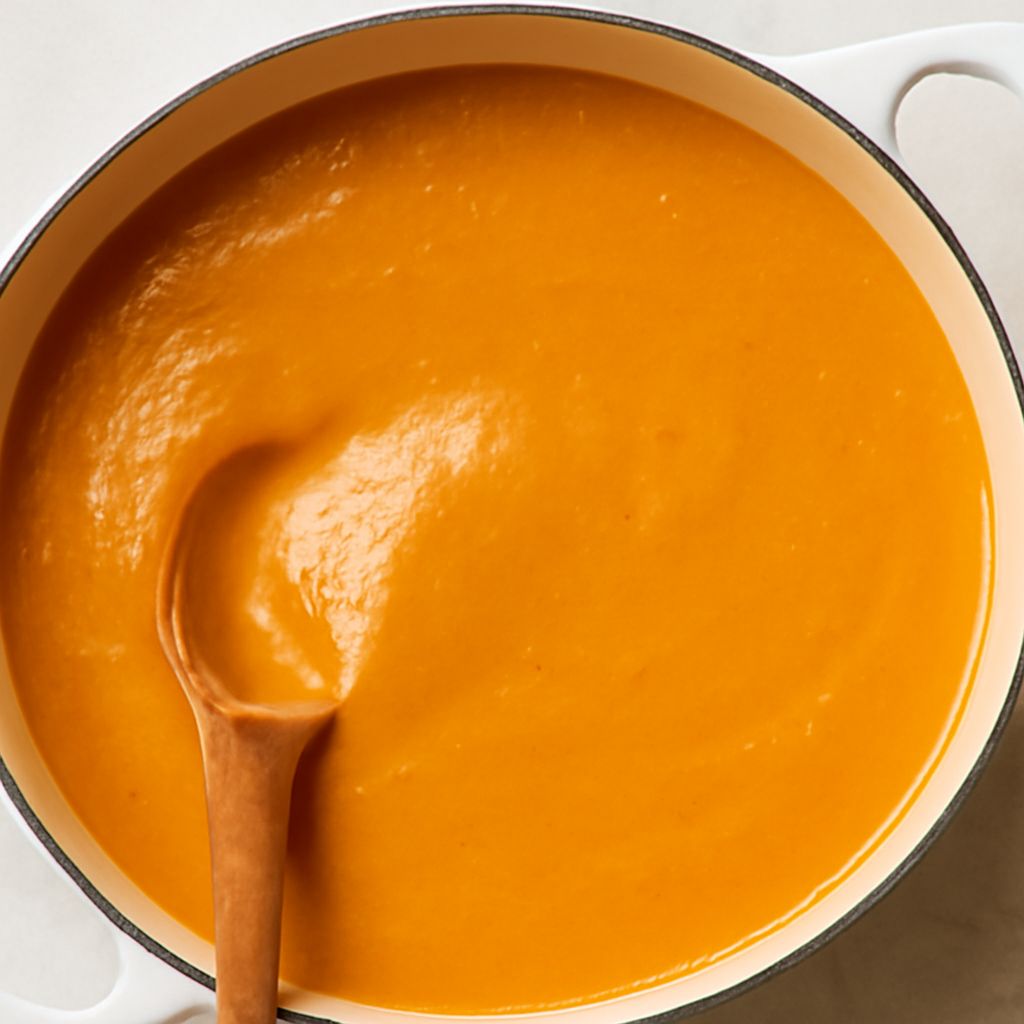
Pureed soups suit paleo approaches naturally because the thickening mechanism is whole food-based. Paleo soups and stews avoid grains, legumes, and dairy. A pureed butternut squash soup with coconut milk, garlic, and ginger satisfies all those requirements and is genuinely delicious. Bone broth as the liquid base adds minerals and collagen that align with paleo principles. Roasting the vegetables before blending adds depth that compensates for the absence of cream.
Base Recipes to Build From
A basic pureed vegetable soup formula: roast 2 pounds of your chosen vegetable with olive oil, salt, and pepper until caramelized. Transfer to a pot with 4 cups of stock and aromatics. Simmer for fifteen minutes. Blend until smooth. Adjust consistency with additional stock. Finish with acid, olive oil, or coconut milk depending on the dietary approach. This single formula produces dozens of pureed soups depending on the vegetable and liquid you choose.