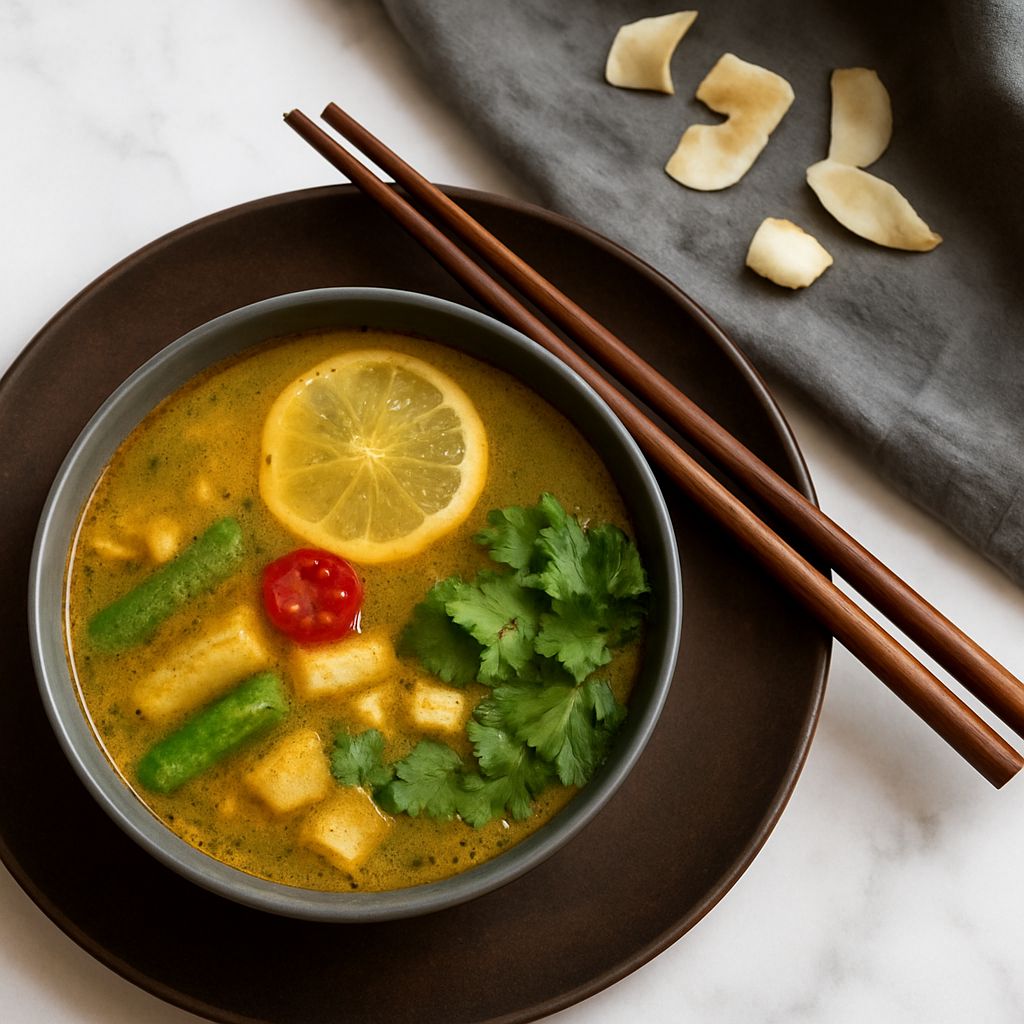
Lemongrass soup is one of those dishes that stops you mid-bite. The citrusy aroma hits first, followed by a warmth that builds slowly. Whether you’re craving a classic thai lemongrass soup or want to experiment with your own lemongrass soup recipe, this guide covers everything you need.
From stalk preparation to broth balance, lemon grass soup comes together faster than most people expect. You’ll find lemongrass soup recipes here for both beginners and experienced cooks.
What Makes Lemongrass Special in Soup
Lemongrass brings a citrus-ginger crossover to broth that no other herb replicates. The inner stalk releases volatile oils when bruised. These oils infuse liquid quickly, giving any broth a distinctive tropical edge. Thai cooking pairs it with galangal, kaffir lime leaves, and coconut milk for layered depth.
Most lemon grass varieties sold in grocery stores work well for soups. Choose stalks that feel firm, not dried out.
Key Ingredients for a Classic Thai Lemongrass Soup
A traditional thai lemongrass soup relies on a short list of essential ingredients:
- Fresh lemongrass stalks, bruised and cut into 2-inch pieces
- Galangal or ginger root, sliced thin
- Kaffir lime leaves, torn or left whole
- Fish sauce and lime juice for seasoning
- Thai bird chilies for heat
- Mushrooms, shrimp, or chicken as the protein base
This combination forms the flavor backbone found in Tom Kha and Tom Yum, two well-known lemongrass broths.
How to Prepare Lemongrass for Soup
Proper prep unlocks the best flavor from any lemongrass soup recipe. Remove the dry outer layers first. Use only the pale inner stalk. Bruise it firmly with the back of a knife to crack the fibers. This releases the essential oils that carry flavor into the broth.
Do not eat the stalk pieces. Remove them before serving, or let diners push them to the side. The flavor transfers fully to the liquid during simmering.
Building the Broth Step by Step
Start with a good stock. Chicken broth works well for most versions. Add the prepared lemongrass, galangal, and lime leaves. Simmer for 10 minutes before adding other ingredients. This steeping process builds the flavor base of your lemon grass soup.
Add coconut milk for a creamy Thai-style result, or keep the broth clear for a lighter take. Season with fish sauce and lime juice at the end. Taste as you go.
Protein Options and Variations
Lemongrass soup recipes span a wide range of proteins. Shrimp is traditional in Tom Yum. Chicken thighs work well in coconut-based versions. Tofu makes a satisfying plant-based alternative. Some cooks use thinly sliced beef for a bolder result.
Mushrooms add umami depth whether you use oyster, shiitake, or button varieties. Combine them with your chosen protein for extra body in the bowl.
Adjusting Heat and Acidity
Balance is everything in a well-made thai lemongrass soup. The heat comes from chilies and can be reduced easily. The acidity comes from lime juice, which you add at the end. Start with a small amount and build up.
Fish sauce provides salt and umami together. Palm sugar or a small pinch of regular sugar rounds out sharp edges. Tasting frequently during the final seasoning stage produces the best results.
Storing and Reheating
Leftover lemongrass soup keeps well in the refrigerator for up to three days. Store it without the noodles or rice if you added them, since they absorb liquid and become mushy. Reheat over medium heat until it reaches a gentle simmer.
The lemongrass flavor actually deepens after a day in the fridge. Many home cooks find the second-day version of this lemon grass soup tastes even better than the first.