Spaghetti seasoning covers a range of spice blends—from the classic Italian herbs used in pasta sauce to dry rubs applied to proteins before cooking. A proper pork seasoning blend can double as a spaghetti-adjacent spice mix when making sausage-based pasta dishes. Mexican steak seasoning and ribeye seasoning occupy their own category but share overlapping spices that make them relevant to cooks who want a single well-stocked spice shelf.
This guide covers the full range from spaghetti sauce herb blends to ribeye steak seasoning, with practical advice for building each from pantry staples.
Classic Spaghetti Seasoning
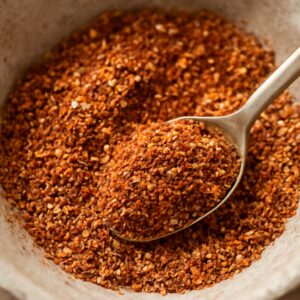
The herbs that form a classic spaghetti seasoning are dried basil, oregano, thyme, and parsley. These four herbs appear in virtually every Italian-American pasta sauce, whether homemade or jarred. Garlic powder and onion powder are common additions that add savory depth without requiring fresh aromatics. Red pepper flakes are optional but standard in many household spaghetti seasoning blends.
A pre-mixed spaghetti seasoning blend saves time when you cook pasta sauce frequently. Store it in an airtight jar and use about one tablespoon per two cups of tomato sauce as a baseline, adjusting to taste.
Pork Seasoning for Chops and Roasts
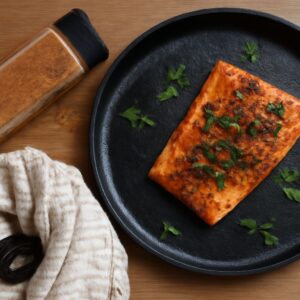
Pork seasoning works differently depending on the cut. For pork chops, a dry rub with smoked paprika, garlic powder, black pepper, salt, and a touch of brown sugar produces a caramelized crust. For a pork shoulder destined for slow cooking, the same blend works but benefits from the addition of cumin and coriander for more complexity over the long cook time.
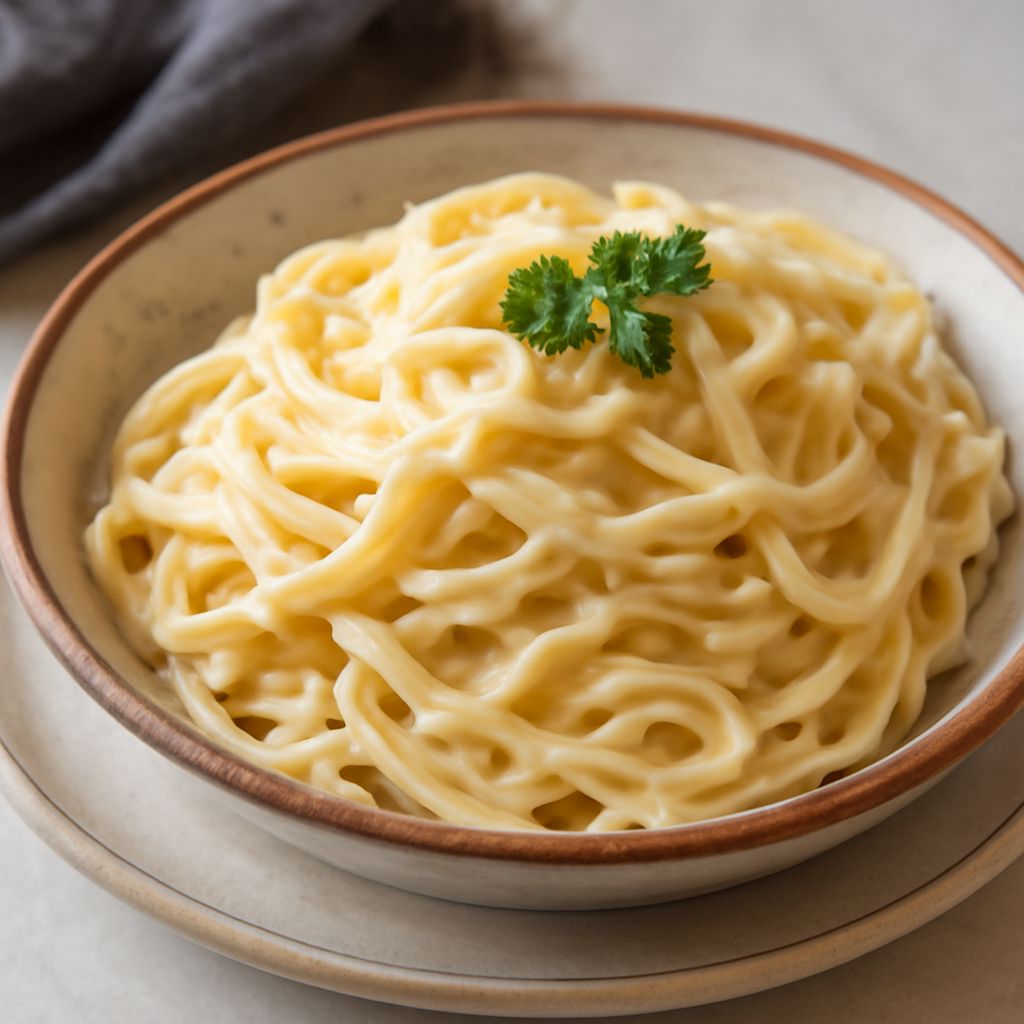
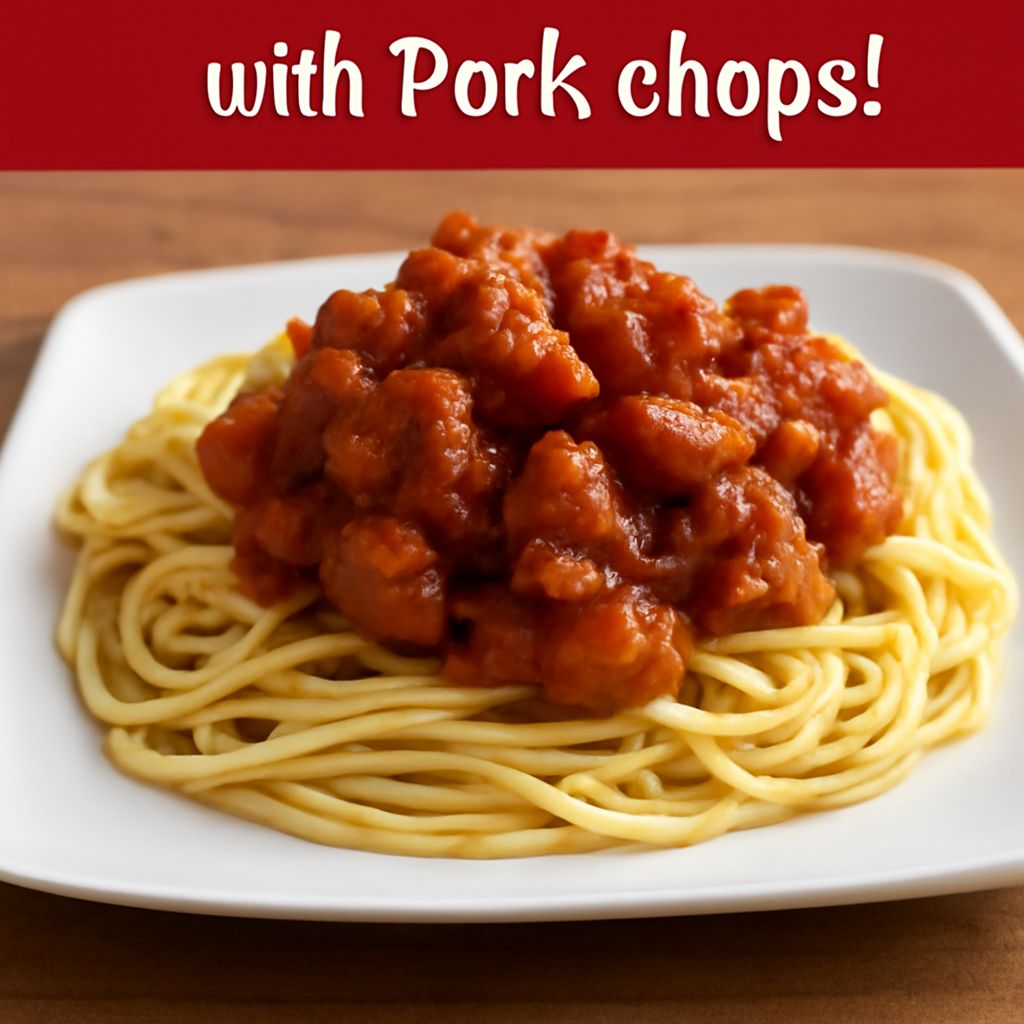
Pork seasoning blends that include fennel seed pair naturally with pasta dishes. Fennel is the defining spice in Italian sausage, which means a fennel-forward pork seasoning on ground pork produces a sausage-like result that works over spaghetti without buying pre-made sausage.
Mexican Steak Seasoning
Mexican steak seasoning combines chili powder, cumin, garlic powder, smoked paprika, oregano, and salt. This blend is bolder and earthier than Italian herb mixes. It works best on skirt steak and flank steak for tacos and fajitas, but also on chicken thighs and pork for the same dishes. The cumin and chili combination gives mexican steak seasoning its distinctive character that sets it apart from milder blends.
Ribeye Seasoning
Ribeye seasoning is simple by design. The ribeye is a well-marbled, flavorful cut that needs minimal intervention. A classic ribeye seasoning is just kosher salt, coarse black pepper, and garlic powder applied generously at least 45 minutes before cooking. The salt begins breaking down surface proteins and draws moisture, which returns to the meat as a self-basting effect during cooking.
Ribeye steak seasoning variations add dried rosemary, onion powder, and a pinch of cayenne for those who want more complexity. Keep the total blend to four or five components at most—too many spices compete with the natural flavor of a good ribeye steak seasoning should highlight rather than mask.
Next Steps
Build a small spice shelf with the core components: smoked paprika, cumin, garlic powder, onion powder, dried basil, oregano, and thyme. These seven spices cover spaghetti seasoning, pork seasoning, mexican steak seasoning, and a basic ribeye steak seasoning with only minor adjustments in proportions. Once you have them in stock, experimenting with different combinations becomes a natural part of cooking.