Good garlic seasoning goes far beyond pasta and roasted vegetables. A well-built spice blend works as salad seasoning, brings out the best in legumes, and acts as a solid seasoning for black eyed peas. Whether you call it black eyed peas seasoning or simply bean seasoning, the right blend of garlic, herbs, and spices makes a practical difference in everyday cooking.
This guide covers what goes into effective garlic-forward blends, how they work across different dishes, and how to build your own at home.
What Goes into a Garlic Seasoning Blend
Core Ingredients
A solid garlic seasoning starts with granulated or powdered garlic as the base. From there, common additions include onion powder, dried parsley, black pepper, and salt. Some blends bring in paprika for color and mild heat. Others add dried thyme or oregano for an herbal note. The ratio of garlic to salt matters most. Too much salt drowns the garlic flavor; too little leaves the blend flat.
Dried vs Fresh Garlic
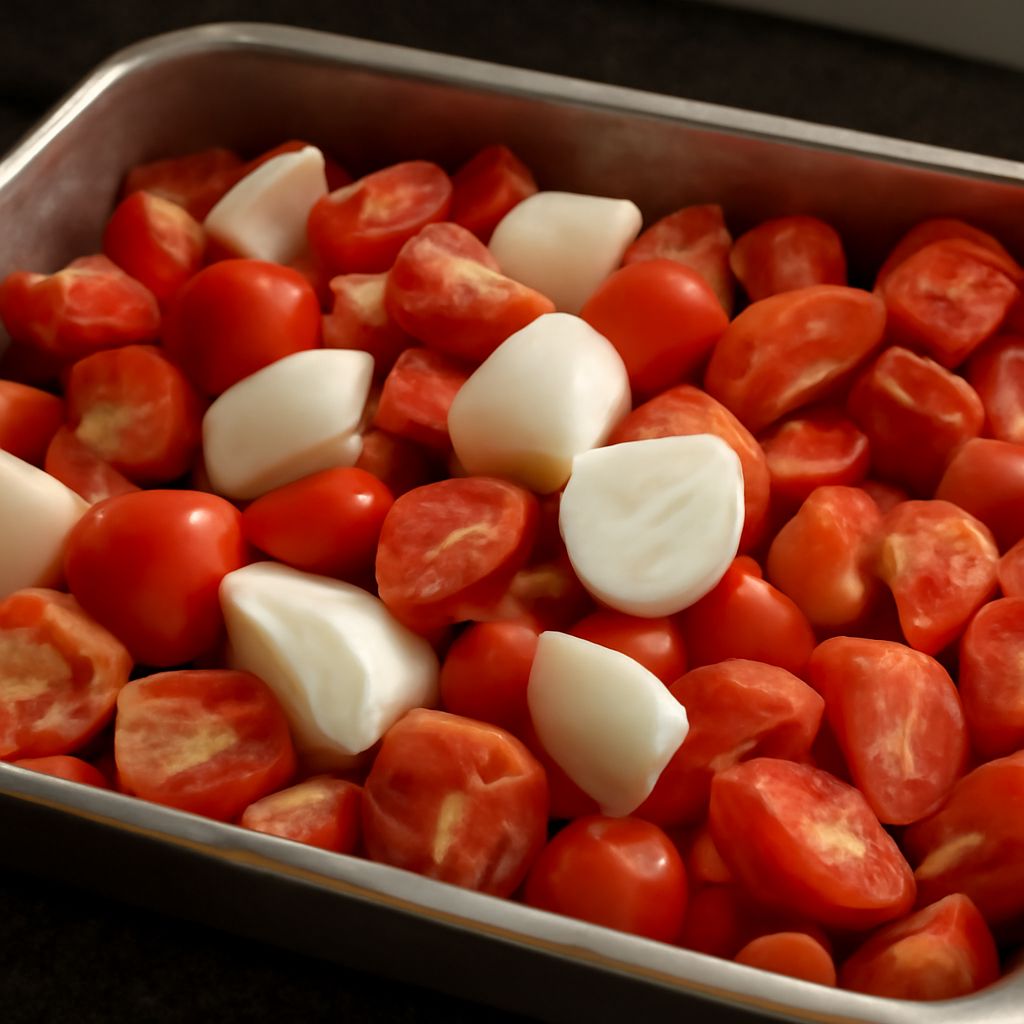
Dried garlic in a spice blend offers convenience and a longer shelf life. Fresh garlic delivers more pungency but does not store well in a dry mix. For a salad seasoning that you sprinkle directly onto greens or a grain salad, dried garlic works better because it blends evenly and does not clump or turn wet.
Using Garlic Seasoning as Salad Seasoning
Most people reach for a bottled dressing, but dry salad seasoning gives you more control. Sprinkle garlic seasoning over romaine, cucumber slices, and cherry tomatoes before adding olive oil and lemon juice. The dry rub method coats each ingredient rather than pooling at the bottom of the bowl. This works particularly well on grain salads with farro or quinoa, where the grains absorb the seasoning directly.
Seasoning for Black Eyed Peas
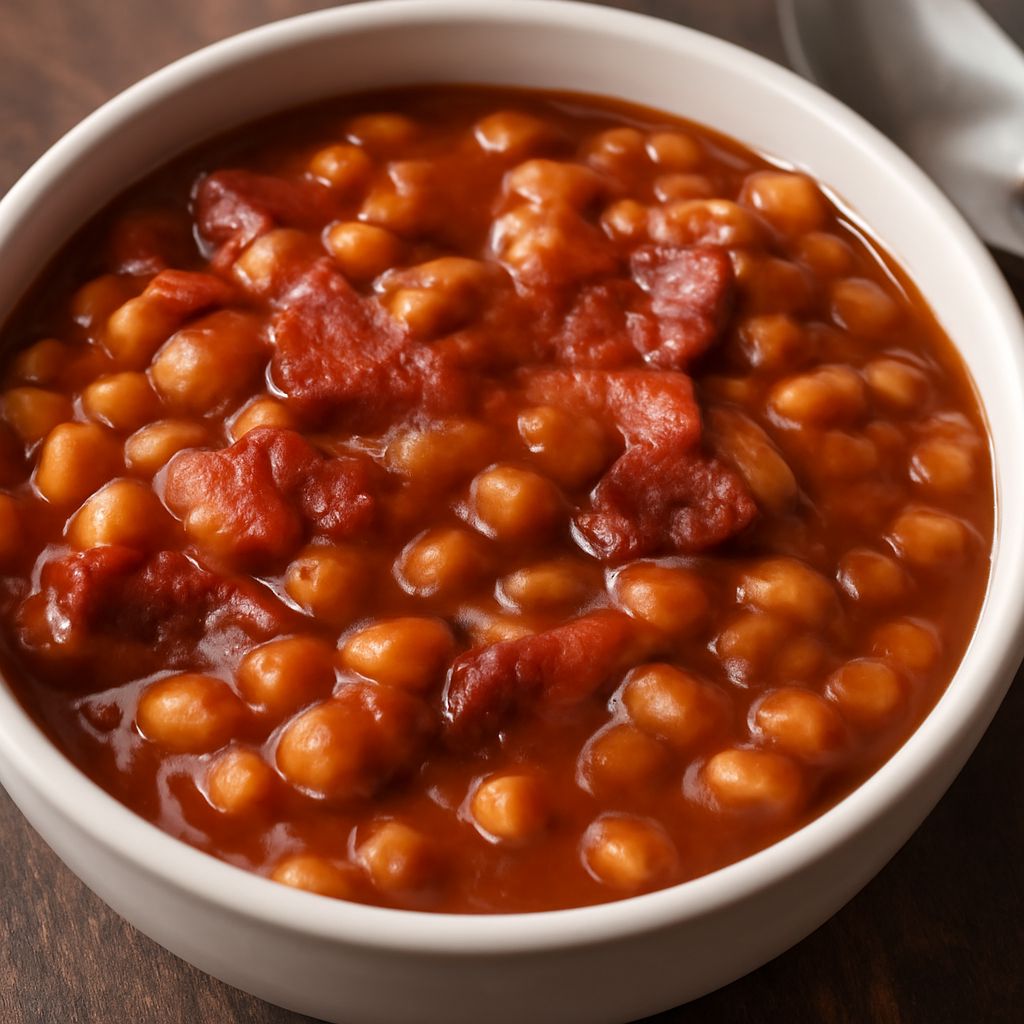
Black eyed peas have a mild, earthy flavor that responds well to bold seasoning. A good seasoning for black eyed peas includes garlic, smoked paprika, thyme, and a touch of cayenne. Bay leaves added during cooking deepen the overall flavor. This combination works whether you are making a traditional New Year’s dish or a simple weeknight pot of beans.
Black eyed peas seasoning should also account for the protein or fat you cook with. Ham hock, bacon, or smoked turkey all carry their own salt and smoky notes. Adjust your garlic seasoning blend accordingly to avoid an oversalted pot.
Bean Seasoning Across Different Varieties
Bean seasoning is not one-size-fits-all. Navy beans do well with garlic, bay, and mild herbs. Pinto beans take well to cumin, garlic, and chile powder. Chickpeas pair with garlic, turmeric, and coriander. The consistent thread is garlic, which brings a savory backbone to almost every legume variety. Keep a versatile garlic-forward bean seasoning blend on hand and adjust with a secondary spice depending on the bean.
Making Your Own Blend at Home
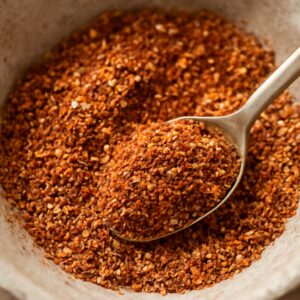
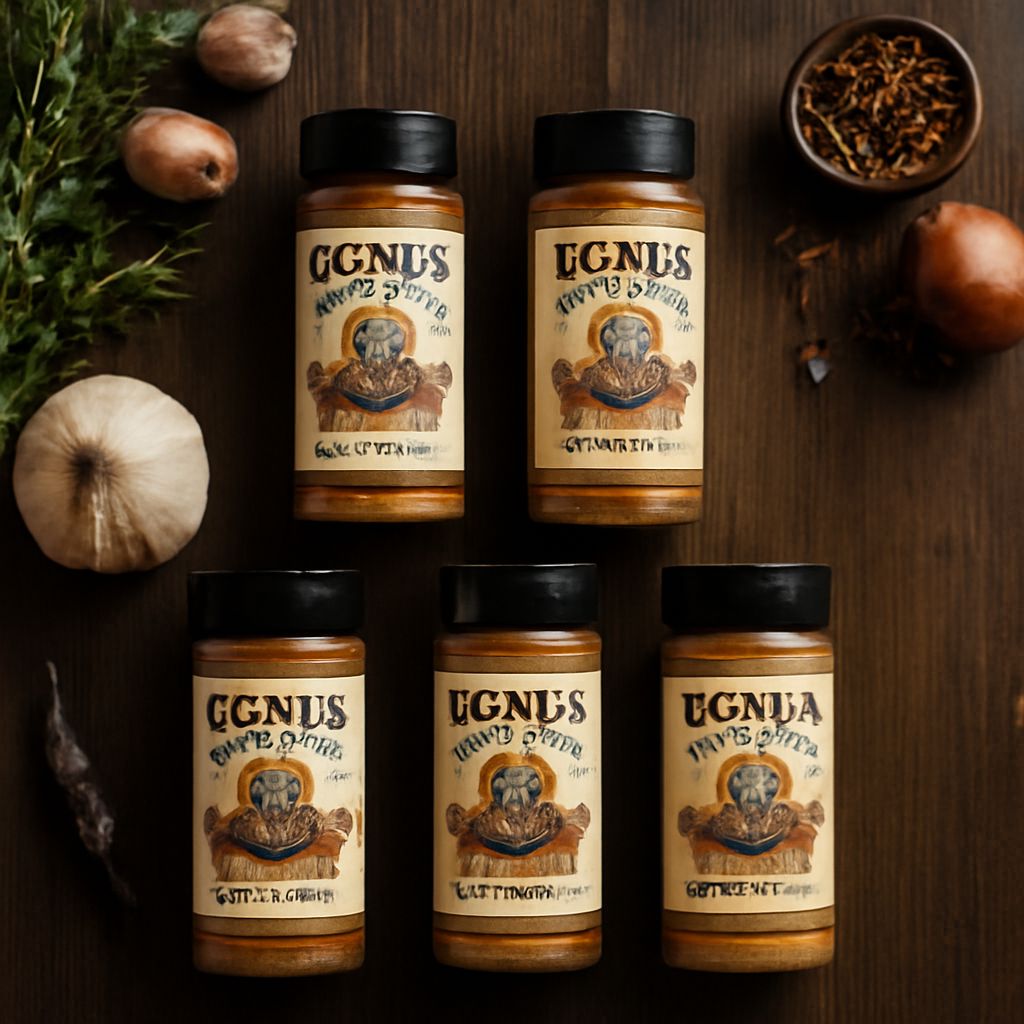
Combine two tablespoons of garlic powder with one tablespoon each of onion powder and dried parsley, one teaspoon of black pepper, and half a teaspoon of smoked paprika. This base functions as a garlic seasoning for meat, a salad seasoning for grain bowls, and a starting point for your black eyed peas seasoning. Store in a sealed jar away from heat for up to six months.