Understanding the difference between light vs dark soy sauce can change how you cook Asian dishes. These two condiments look similar but behave very differently in the kitchen. Knowing when to reach for dark vs light soy sauce gives you real control over color, salt level, and depth of flavor. This guide covers black soy sauce, how to use it in a dark soy sauce recipe, and answers the question: what is black soy sauce exactly?
Both varieties come from fermented soybeans, but the production process, aging time, and additives set them apart. Light soy sauce is thinner and saltier. Dark soy sauce is thicker, less salty, and carries a richer, slightly sweet taste from added molasses or caramel.
What Is Light Soy Sauce?
Flavor and Uses
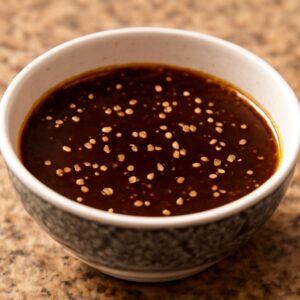
Light soy sauce is the everyday workhorse in Chinese and broader Asian cooking. It has a sharp, briny flavor and a thin consistency. Cooks use it for stir-fries, marinades, dipping sauces, and seasoning at the table. It does not darken a dish much, making it ideal when you want flavor without changing the color of a protein or vegetable.
Salt Content
Despite the name, “light” does not mean low-sodium. Light soy sauce is actually higher in salt than dark varieties. If you are watching your sodium intake, check labels carefully. Some brands offer reduced-sodium options within the light category.
What Is Dark Soy Sauce?
Texture and Taste
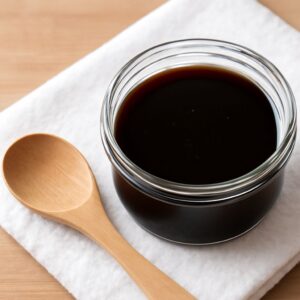
Dark soy sauce is aged longer and often has molasses or caramel added during production. This gives it a thicker body, a deep mahogany color, and a slightly sweet finish. It is less salty than light soy sauce. When you compare dark vs light soy sauce in a stir-fry, dark adds color and a subtle sweetness while light adds salt and sharper soy flavor.
Black Soy Sauce Explained What is black soy sauce? In many Thai and Southeast Asian recipes, “black soy sauce” refers to a very thick, dark, sweet soy sauce. It is similar to dark soy sauce but even more viscous and sweeter. In Chinese cooking, dark soy sauce and black soy sauce are sometimes used interchangeably, though the Thai version tends to be sweeter. Both work well in braised dishes and noodle recipes where a deep, caramel color is desired.
Light vs Dark Soy Sauce in Cooking
The choice between light and dark soy sauce depends on your goal. For a pale, delicate sauce or a marinade where you want subtle flavor, light soy sauce is correct. For a dark soy sauce recipe like red-braised pork belly or char siu, dark soy sauce delivers the color and body the dish needs.
- Light soy sauce: stir-fries, dipping sauces, soups, and general seasoning
- Dark soy sauce: braises, noodle dishes, glazes, and color-heavy recipes
- Black soy sauce: Thai noodles like pad see ew, beef stir-fry, and sweet glazes
A Simple Dark Soy Sauce Recipe
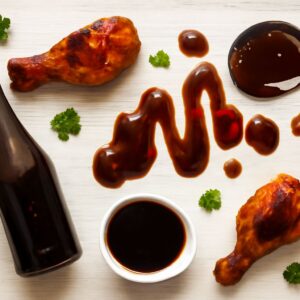
Want to use dark soy sauce at home? Try this quick glaze. Combine two tablespoons of dark soy sauce with one tablespoon of honey, one teaspoon of sesame oil, and a minced clove of garlic. Brush it over chicken thighs before roasting at 400°F for 30 minutes. The result is a lacquered, rich coating that light soy sauce cannot replicate. This dark soy sauce recipe works equally well on tofu or pork.
When you need more depth without extra saltiness, dark soy sauce is the better choice. Swap half the light soy sauce in any recipe for dark soy sauce to deepen color and round out the flavor profile. Start with small amounts because its color is very concentrated.