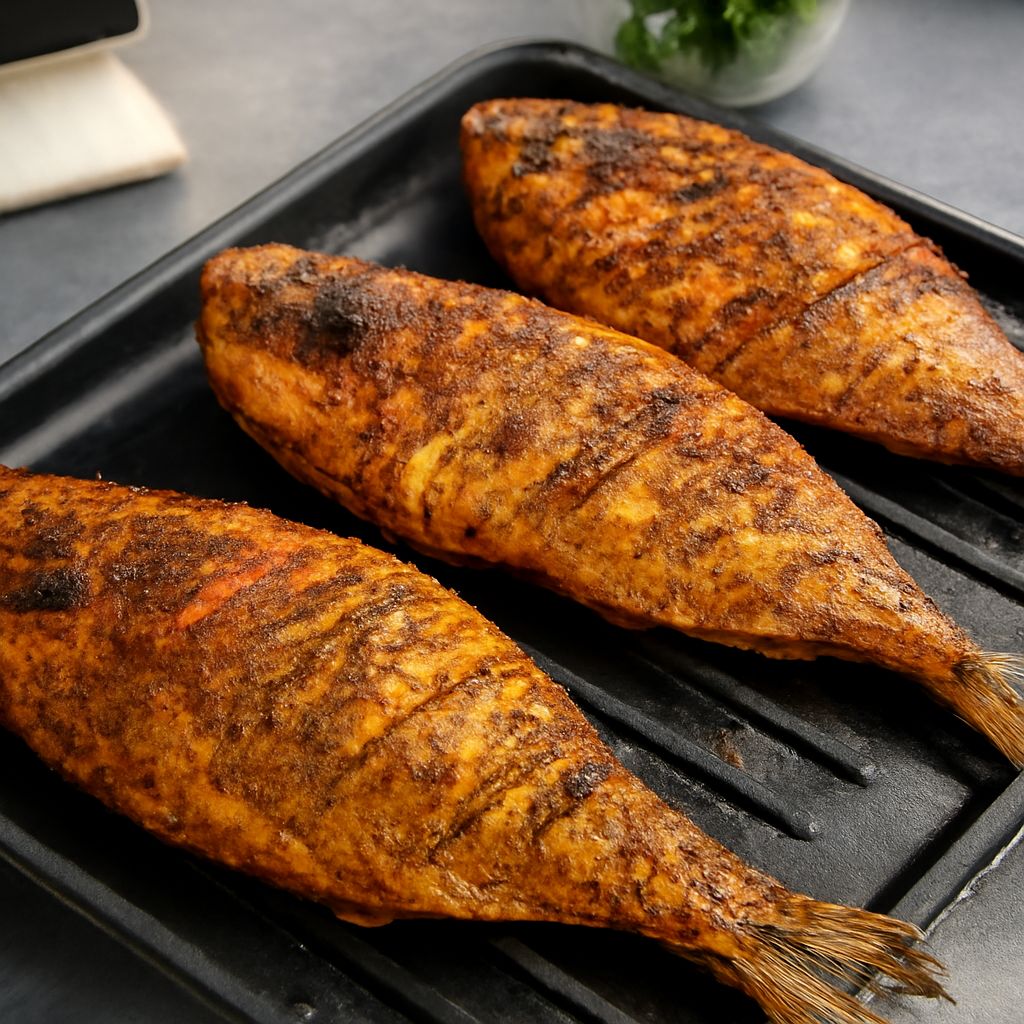
If you’re seeking a healthy, satisfying main dish that’s easy to prepare, look no further than a classic baked fish recipe. Baking fish in the oven not only locks in flavor and moisture but also keeps meal prep simple and cleanup minimal. Whether you’re a seasoned cook or just learning how to bake fish, this guide will walk you through the essential techniques for consistently delicious results. With a few handy tips, you can become confident in baking fish while discovering new recipe variations that will keep your meals exciting and nourishing.
Learning how to bake fish opens up a world of nutritious possibilities, from golden fillets to vibrant, herb-crusted entrees. Oven-baked fish makes weeknight dinners a breeze, and with the right approach, even beginners can master a moist, flavorful baked fish recipe. Let’s explore everything you need to know to make the most of baking fish in the oven.
Why Choose Baked Fish?
Baked fish is celebrated for its health benefits and versatility. Unlike frying, baking fish in the oven allows you to use less oil, letting the natural flavors and delicate textures of your favorite fillets shine. This cooking method preserves heart-healthy omega-3 fatty acids and keeps the dish light, making it a staple for those aiming for balanced, nutritious eating.
Another key reason to choose a baked fish recipe is convenience. Baking requires minimal hands-on time and is easy to scale for families or gatherings. You can prepare a flavorful meal in under 30 minutes with little effort. Even better, cleanup is simplified, especially when using parchment or foil-lined pans. If you’re interested in exploring global cuisine, baking fish also pairs beautifully with a variety of herbs, spices, and marinades.
Whether you’re craving a Mediterranean lemon-herb fish or a classic American baked cod, this cooking method adapts to your taste. Baking fish in the oven is an excellent way to introduce more seafood into your diet, appealing even to those who rarely eat fish. With experience, you’ll find that baked fish recipes also suit a range of side dishes, from roasted vegetables to simple salads.
How to Bake Fish: Step-by-Step
Mastering how to bake fish begins with selecting quality fillets or whole fish. Opt for fresh, firm fish with a mild, clean scent. Once home, pat your fish dry and season generously. Common seasonings include salt, pepper, lemon juice, garlic, and fresh herbs. For added flavor, consider a light brush of olive oil or a quick marinade.
Preheat your oven to 400°F (200°C), a temperature that works well for most baked fish recipes. Line a baking sheet with parchment paper or foil for easy cleanup. Place the fish in a single layer, ensuring even cooking. If you’re using fillets, arrange them skin-side down. Whole fish can be stuffed with aromatics like lemon slices and dill for deeper flavor.
Bake until the fish is opaque and flakes easily with a fork—typically 10–15 minutes for fillets, depending on thickness. Overbaking can lead to dry fish, so keep a close watch near the end of cooking. When learning how to bake fish, remember the rule of thumb: about 10 minutes of baking per inch of thickness.
For a classic baked fish recipe, try topping fillets with a mixture of breadcrumbs, herbs, and a drizzle of melted butter before baking. This creates a crisp, golden crust that adds delightful texture to your dish.
Baked Fish Recipe Variations
Baking fish in the oven is endlessly adaptable. For a Mediterranean twist, top white fish with a blend of tomatoes, olives, capers, and oregano. Or, embrace Asian-inspired flavors by marinating salmon in soy sauce, ginger, and sesame oil before baking. Each baked fish recipe can be customized with your favorite flavor profiles, making weeknight meals both healthy and exciting.
Another delicious approach is to bake fish en papillote—wrap fillets in parchment with vegetables, herbs, and a splash of wine or broth. This technique gently steams the fish, locking in moisture and infusing the flesh with aromatics. Those who love spice can create a Cajun-style crust or use citrus slices for a bright, fresh finish.
Experiment with different types of fish—cod, tilapia, salmon, or trout—all respond well to baking. Each brings unique texture and taste, ensuring variety in your meal rotation. Adapt your baked fish recipe to the seasons by pairing local vegetables or experimenting with new spice blends.
Tips for Baking Fish in the Oven
To ensure your oven-baked fish is always tender and delicious, start with even-sized pieces for uniform cooking. Use a thermometer to check doneness—fish should reach an internal temperature of 145°F (63°C). Letting the fish rest for a minute or two after baking allows juices to redistribute, boosting flavor and succulence.
Avoid overcrowding the pan; this promotes even roasting and browning. If you’re baking several fillets, space them apart for optimal heat circulation. Preheating your oven fully before baking fish is essential for consistent results. If you want a crispier top, finish the dish under the broiler for a minute or two, but watch carefully to prevent burning.
Remember, the key to a standout baked fish recipe is simplicity. Quality ingredients and careful attention to baking times will yield the best results. Don’t hesitate to experiment with coatings, toppings, and side dishes to discover your favorite combinations.
Serving and Storing Baked Fish
Baked fish pairs wonderfully with fresh salads, steamed vegetables, whole grains, or crusty bread. Serve your oven-baked fish garnished with lemon wedges, chopped herbs, or a quick homemade sauce to elevate the presentation. For entertaining, present the fish family-style on a large platter with colorful accompaniments.
Leftover baked fish can be stored in an airtight container in the refrigerator for up to two days. Gently reheat in the oven at a low temperature to preserve moisture. Flake cold baked fish into salads, tacos, or grain bowls for a quick and protein-rich lunch.
With these tips and recipe ideas, you’re equipped to make baking fish in the oven a staple of your kitchen repertoire. Enjoy not only the flavors but also the nutritional benefits and convenience baked fish brings to your table.
Safety Recap: Always use proper oven mitts and utensils when handling hot pans. Be mindful of bones when serving, especially to children, and ensure fish is fully cooked for safe and delicious results.