When it comes to indulging in comforting soups, understanding the difference between pho and ramen can elevate your culinary experience. These two iconic dishes, rich in history and flavor, offer unique tastes and aromas that captivate food lovers worldwide. Whether you’re a fan of the aromatic broth of pho or the umami-infused essence of ramen, diving into their distinct characteristics can enhance your appreciation for these beloved soups.
While both dishes have gained international fame, their origins and ingredients set them apart. Discovering these differences not only informs your palate but enriches your knowledge of global cuisines. Let’s explore these two culinary masterpieces and uncover what makes each one special.
Origins and History
Pho and ramen, though similar in presentation, hail from different parts of Asia. Pho originates from Vietnam, where it emerged in the early 20th century in the northern regions. It quickly became a national dish, embodying the rich culinary traditions of Vietnam. The French influence is evident in pho’s use of beef, a nod to the colonial era.
In contrast, ramen’s journey began in Japan, with roots tracing back to Chinese immigrants in the late 1800s. Over time, ramen evolved into a Japanese staple, with regional varieties offering diverse flavors and styles. Its evolution mirrors Japan’s dynamic cultural exchanges and adaptation of foreign influences.
Ingredients and Preparation
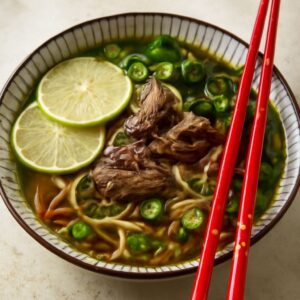
The difference between pho and ramen is prominently highlighted in their ingredients and preparation methods. Pho features a delicate broth made from simmered beef bones, flavored with spices like star anise, cinnamon, and cloves. The soup is typically served with rice noodles, thinly sliced beef, and garnished with fresh herbs, lime, and chili.
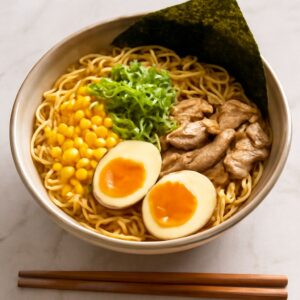
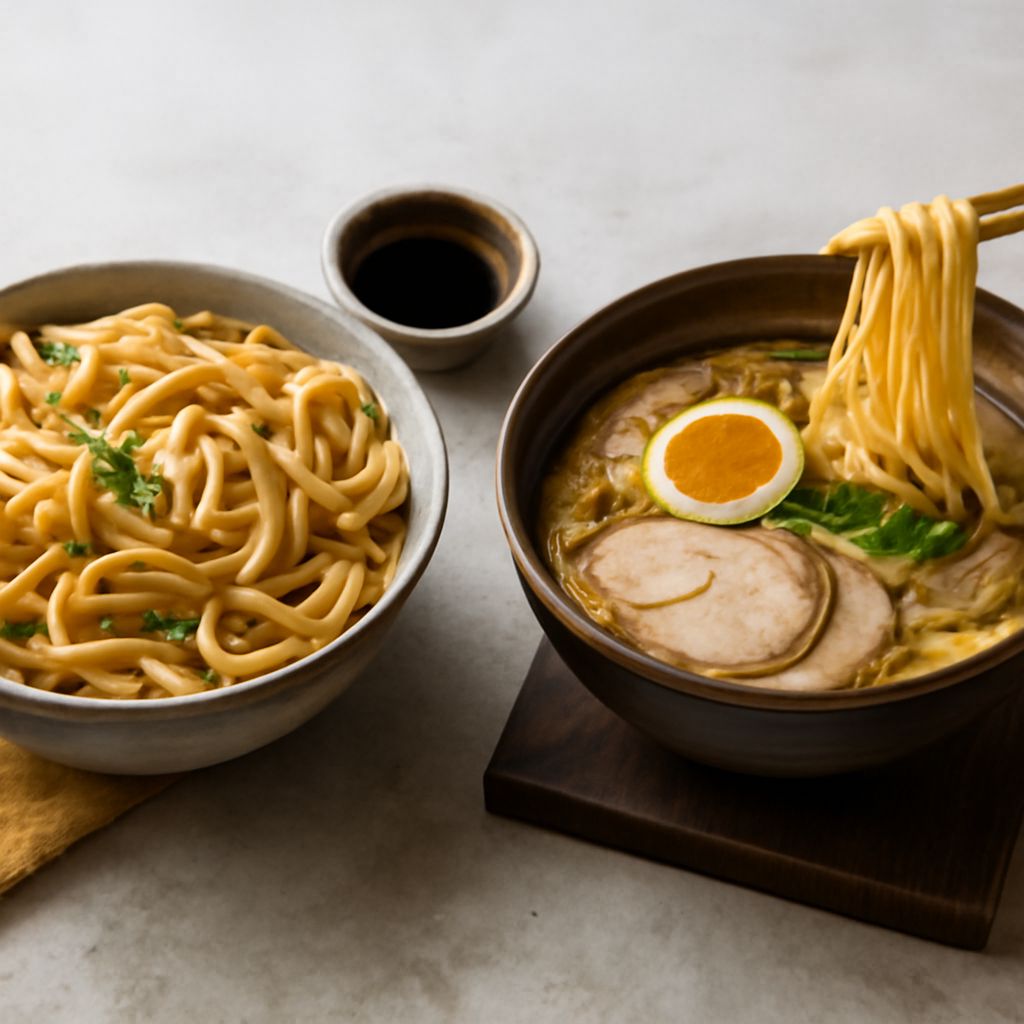
Ramen, on the other hand, is celebrated for its rich and hearty broth, which can be based on pork (tonkotsu), soy sauce (shoyu), or miso. Wheat noodles are a staple in ramen, providing a chewy texture that complements the broth. Toppings such as sliced pork, nori, and soft-boiled eggs complete this dish. Both dishes emphasize freshness and balance, though their ingredients reflect unique culinary traditions.
Flavor Profiles
Pho and ramen not only differ in preparation but also in their flavor profiles. Pho is known for its light, aromatic broth, where the fragrant spices and fresh herbs create a clean and refreshing taste. The broth serves as a canvas for the other ingredients, allowing each element to shine without overpowering the palate.
Ramen’s flavor profile is often richer and more robust. The umami-packed broth, whether creamy or clear, delivers a savory depth that is both comforting and invigorating. The interplay of toppings adds texture and complexity, offering a satisfying culinary experience. While both soups are nourishing, their flavor journeys cater to different taste preferences.
Cultural Significance
Beyond their flavors, pho and ramen hold significant cultural value in their respective countries. Pho is more than just a meal in Vietnam; it is a symbol of national identity and pride. It represents the resilience and creativity of the Vietnamese people, often enjoyed in social settings where family and community come together.
Ramen, meanwhile, has become a cultural icon in Japan, celebrated for its adaptability and innovation. It reflects Japan’s appreciation for craftsmanship and nuance, with ramen shops ranging from humble street stalls to high-end establishments. Ramen has also gained international popularity, showcasing Japanese culinary influence around the globe.
Ultimately, the difference between pho and ramen extends beyond ingredients and flavors. These dishes offer a glimpse into the culinary heritage and cultural narratives of Vietnam and Japan. Whether you prefer the light and fragrant essence of pho or the hearty and bold flavors of ramen, each bowl serves as a delicious testament to the rich traditions from which they originate.