A great soy sauce chicken marinade transforms ordinary chicken into something worth making again and again. The salt in soy sauce draws moisture into the meat, while umami compounds build depth that dry rubs simply can’t match. This soy sauce chicken recipe works whether you’re grilling thighs or roasting a whole bird.
Using a chicken marinade soy sauce base is one of the most forgiving methods in Asian cooking. The ratio of soy to aromatics is flexible, and the results scale easily. A proper soy sauce marinade for chicken takes minutes to assemble, and the payoff on soya sauce chicken is hard to beat.
Why Soy Sauce Works So Well
Soy sauce is high in glutamates, the same compounds responsible for the savory depth in aged cheeses and slow-cooked broth. When you apply it to chicken, it begins breaking down surface proteins and seasoning the meat from the outside in. The sodium content draws liquid out briefly, then pulls the marinade deeper into the flesh.
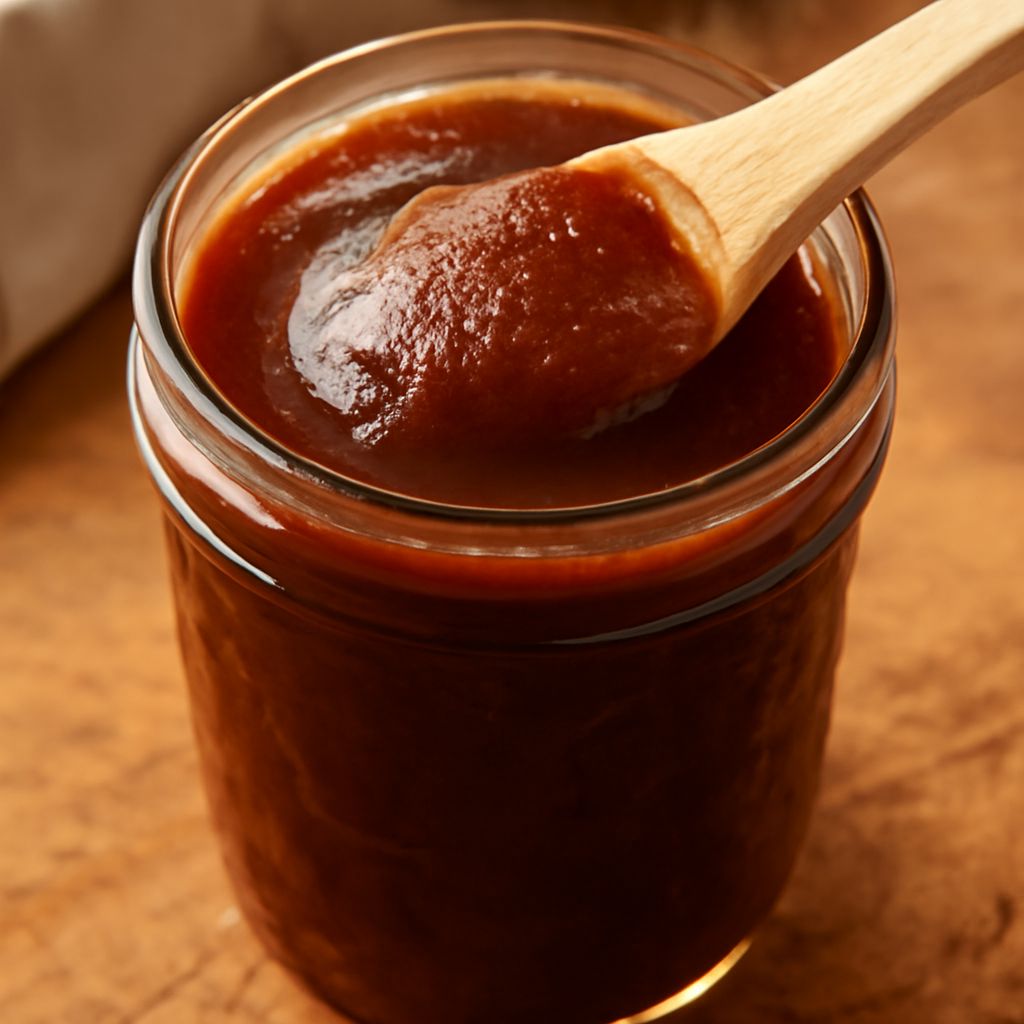
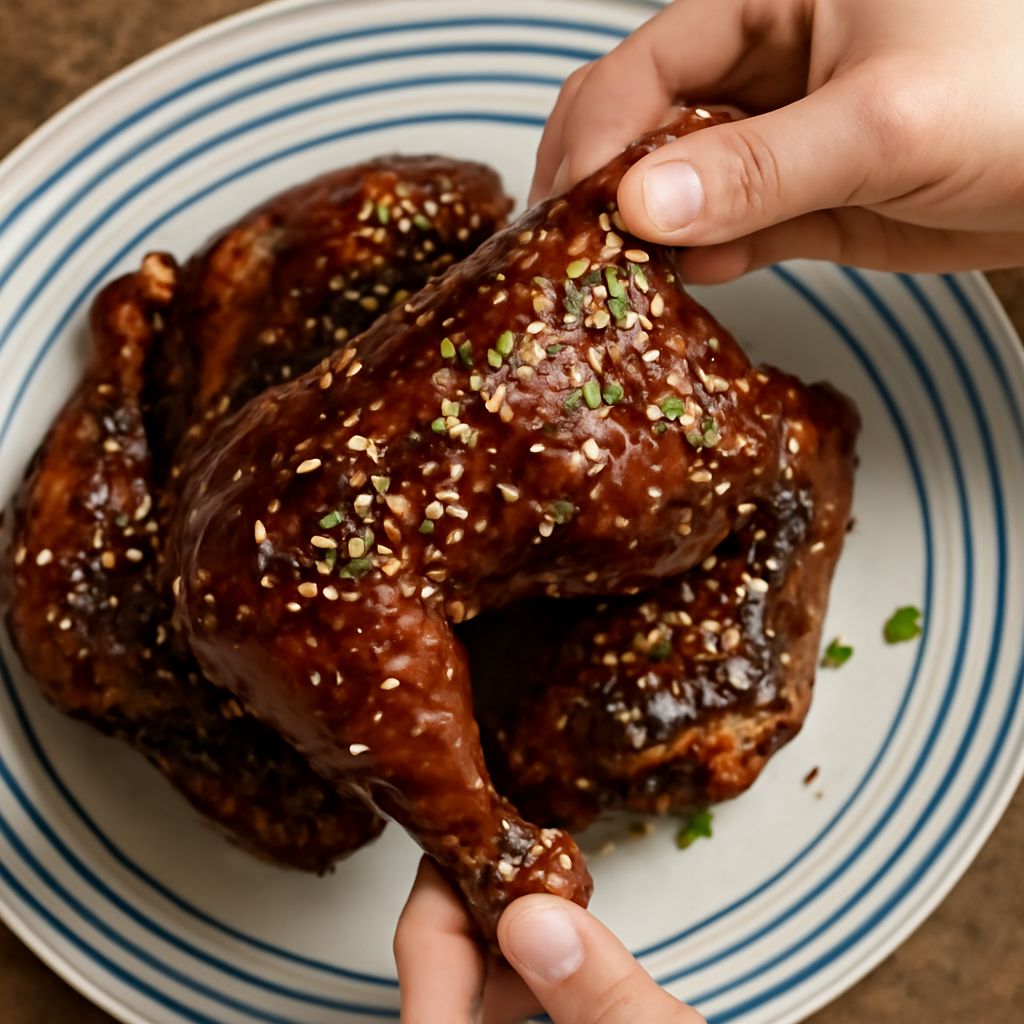
The color soy gives is another benefit. Sugars in the soy sauce caramelize on contact with heat, producing a mahogany crust on grilled or roasted pieces. That browning is flavor, not just appearance.
Core Marinade Ingredients
The Soy Base
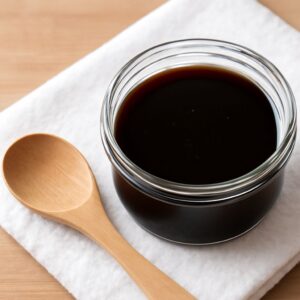
Use regular soy sauce for most applications. Low-sodium soy lets you control salt more precisely. Dark soy sauce adds color and slight sweetness but is more intense, so cut the quantity by a third when substituting.
Aromatics and Acid
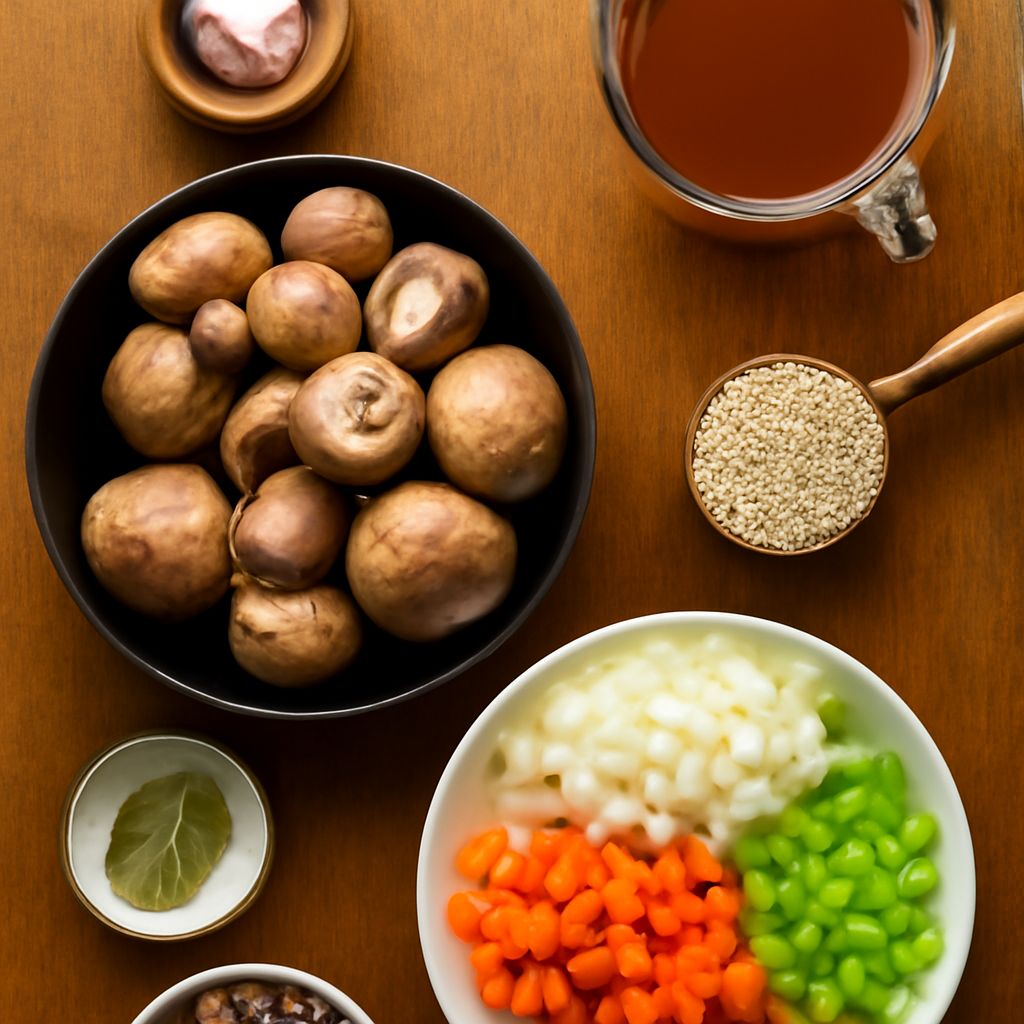
Garlic and ginger are standard in a soy marinade. Garlic adds pungency; ginger adds brightness. A small splash of rice vinegar or citrus juice counterbalances the salt and keeps the flavor lively. Sesame oil at the end adds a nutty finish without overpowering the soy.
Sweetener
Brown sugar, honey, or mirin each bring slightly different characters. Brown sugar gives a molasses edge. Honey creates a thick glaze. Mirin, a sweet rice wine, is the most authentic choice for traditional soya sauce chicken preparations.
Proportions and Ratios
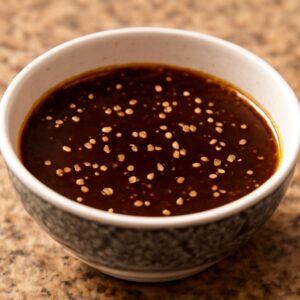
A workable base ratio for a soy sauce chicken marinade: 4 tablespoons soy sauce, 2 tablespoons oil, 1 tablespoon sweetener, 2 garlic cloves minced, 1 teaspoon grated ginger. This amount coats about 1.5 pounds of chicken pieces. Double it for a whole bird or a large batch.
Marinating time matters. Thirty minutes is a minimum for thin pieces. Bone-in cuts benefit from two to four hours. Overnight marinating works well but can make boneless breasts slightly spongy if the soy concentration is high, so keep overnight batches to lower-sodium versions.
Cooking Methods
Grilling
Pat pieces dry before grilling. Excess marinade burns on high heat before the interior cooks through. Brush reserved fresh marinade on during the last two minutes instead. Thighs take eight to ten minutes per side over medium-high heat.
Oven Roasting
Roast at 400°F on a wire rack set over a sheet pan. The rack allows air circulation and helps the skin crisp. A chicken marinade soy sauce glaze applied in the last five minutes gives a lacquered finish.
Pan-Frying
Cast iron or stainless works best. Heat the pan properly before adding chicken. The marinade will spatter, so use a splatter screen. Deglaze with a tablespoon of water after cooking to lift the fond into a quick pan sauce.
Variations Worth Trying
Swap the ginger for lemongrass paste for a Southeast Asian angle. Add a teaspoon of five-spice powder for Chinese-style soy sauce marinade for chicken. A tablespoon of gochujang turns the same base into a Korean-inflected glaze. Each variation uses the same structure; only the supporting aromatics shift.
Storage and Food Safety
Always marinate chicken in the refrigerator, never at room temperature. Discard used marinade that has been in contact with raw chicken. If you want to use the marinade as a sauce, set some aside before adding the chicken, or bring the used marinade to a rolling boil for at least two minutes. Marinated raw chicken keeps refrigerated for up to two days.