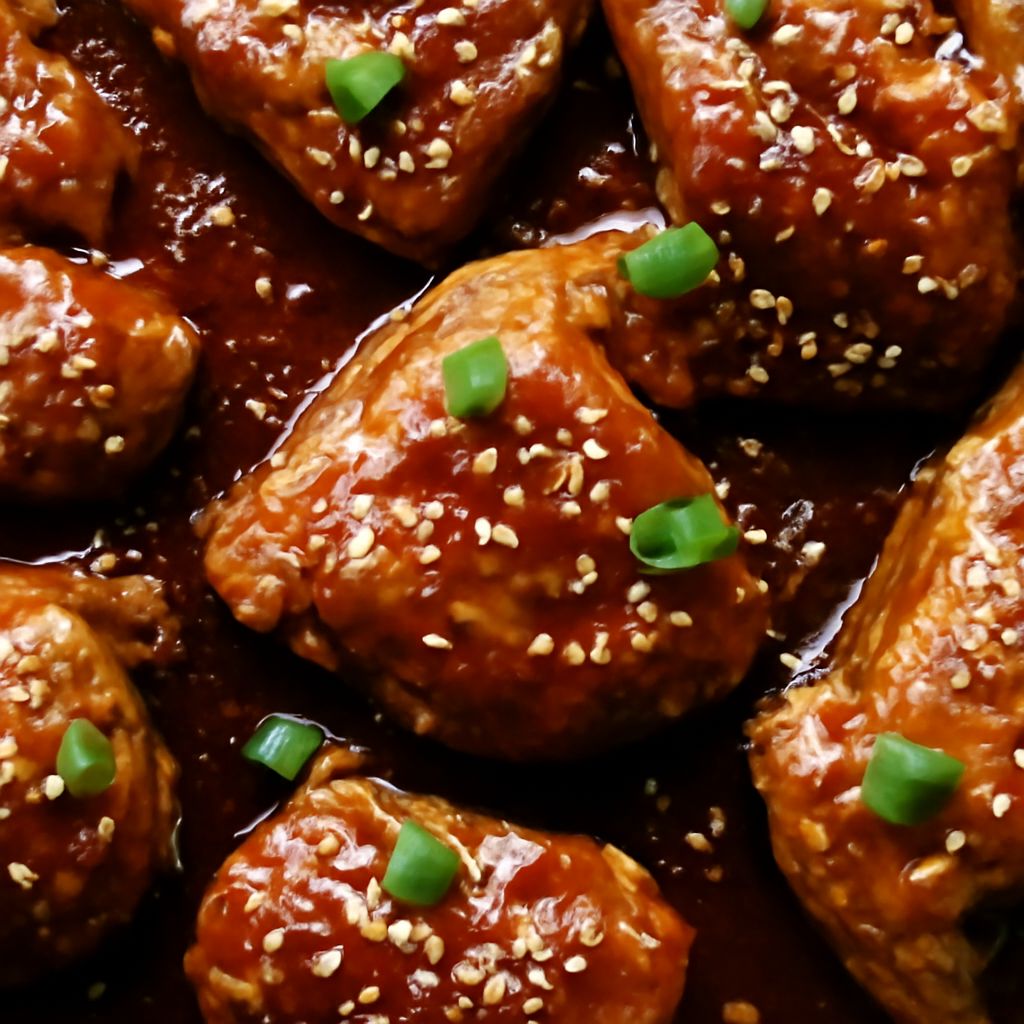
A well-built asian chicken marinade transforms ordinary chicken into something with real depth: savory, slightly sweet, and layered with umami. The backbone of a good asian marinade is a balance of salty, sweet, and acidic elements that both flavor the meat and break down proteins for tenderness. If you want to elevate grilled or baked chicken, this type of asian chicken seasoning delivers results that go far beyond simple salt and pepper. Think of it as your asian seasoning for chicken that works equally well on thighs, breasts, and wings. Even a simple chinese marinade built from pantry staples can outperform store-bought options every time.
Core Ingredients
A reliable asian chicken marinade starts with soy sauce as the salt component. Low-sodium soy sauce works well if you’re watching salt intake. Sesame oil adds a nutty, toasted note that defines the flavor. Fresh garlic and ginger are non-negotiable—both add a sharp, warming base that no powder can replicate.
For sweetness, brown sugar, honey, or hoisin sauce are common picks. Rice vinegar or citrus juice adds the acidity needed to help the marinade penetrate the meat. Some versions of this asian marinade include oyster sauce for a deeper, more complex savory note.
Standard Ratios
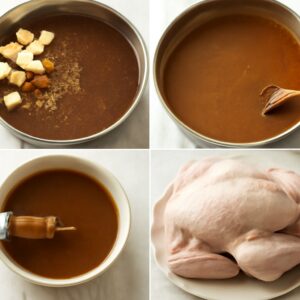
A basic ratio for this style of chinese marinade is: three tablespoons soy sauce, one tablespoon sesame oil, one tablespoon honey, two cloves garlic (minced), one teaspoon fresh ginger (grated), and one tablespoon rice vinegar. That quantity is enough for about one pound of chicken. Scale up proportionally for larger batches.
Marinating Time
Thirty minutes is the minimum marinating time for this asian seasoning for chicken to have a noticeable effect. Two to four hours is the sweet spot for full flavor penetration without the acid breaking down the surface texture. Overnight marinating works but can make the outermost layer of the meat slightly mushy, especially with chicken breast.
Cooking Methods That Work Well
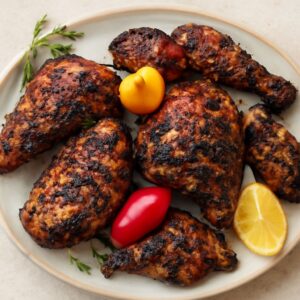
This asian chicken seasoning performs across multiple cooking methods. Grilling over medium-high heat creates charred edges and caramelized spots where the sugars hit the grate. Baking at 400°F for 25–30 minutes gives you juicy, lacquered chicken without much fuss. Pan-searing in a cast iron skillet builds a good crust, and the leftover marinade can be reduced in the pan into a quick glaze.
Variations to Try
Once you have the base down, customize your asian chicken marinade to suit the dish. Add chili garlic sauce or sriracha for heat. Swap soy sauce for tamari to keep it gluten-free. Use lime juice instead of rice vinegar for a Southeast Asian direction. A splash of fish sauce will push it toward a Vietnamese or Thai profile while keeping the asian marinade framework intact.
Storage and Food Safety
Never reuse marinade that has had raw chicken in it unless you boil it first. Set aside a small portion before adding the chicken if you want a dipping sauce or glaze. Store unused chinese marinade in a sealed jar in the refrigerator for up to one week. Marinated raw chicken should be used within 24 hours or frozen before use.