Eggplant sauce is one of the most satisfying plant-based pasta toppings you can make. It has a texture that genuinely resembles meat, a flavor that deepens during cooking, and a versatility that works across dozens of dishes. If you’ve been looking for a great eggplant pasta sauce, the key is roasting or salting the eggplant first to concentrate its flavor.
Whether you prefer a smooth eggplant tomato sauce or a chunky version with eggplant in tomato sauce left in visible pieces, the process is largely the same. This guide also covers how to use this base as an eggplant spaghetti sauce that goes directly on pasta with minimal extras.
Why Eggplant Makes Such Good Sauce
Texture and Flavor Development
Eggplant has a high water content that evaporates during cooking, leaving behind a dense, concentrated flesh. When roasted or sautéed at high heat, the exterior browns and caramelizes. This adds savory depth to any eggplant sauce without needing meat or heavy fats.
The flesh also absorbs surrounding flavors readily. Garlic, olive oil, and tomato all penetrate eggplant deeply during the cooking process.
Why Salt the Eggplant?
Salting eggplant before cooking draws out excess moisture and reduces any bitterness. Cube the eggplant, toss it with salt, and let it rest in a colander for 30 minutes. Pat it dry before adding it to the pan. This step produces a firmer, less watery eggplant pasta sauce.
Building the Base
Start by sautéing diced onion and garlic in olive oil. Add the prepared eggplant and cook over medium-high heat, stirring occasionally, until the pieces begin to brown. This browning is what gives eggplant tomato sauce its depth of flavor.
Add crushed or diced tomatoes once the eggplant has softened and colored. Simmer the mixture for 20 to 30 minutes. The eggplant breaks down gradually, thickening the sauce without any added starch or flour.
Eggplant in Tomato Sauce: Chunky vs. Smooth
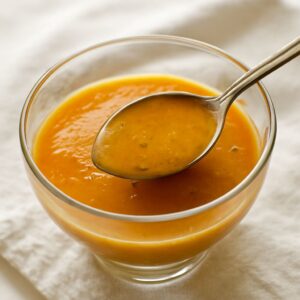
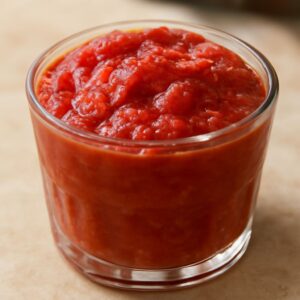
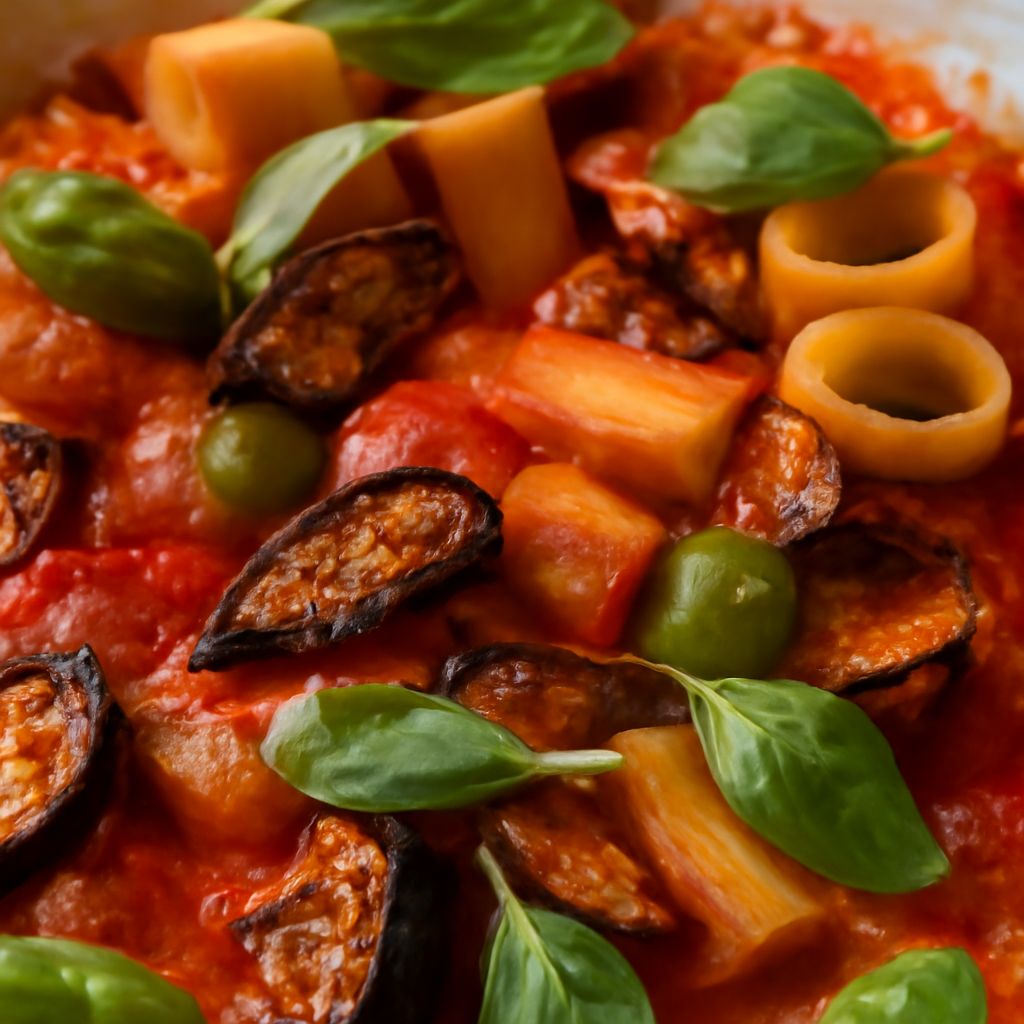
For a chunky eggplant in tomato sauce, keep the eggplant pieces larger and avoid over-stirring. They soften but remain identifiable in the finished sauce. For a smooth result, blend the sauce partially or fully after cooking. Either version works over pasta, gnocchi, or polenta.
The Sicilian version of eggplant spaghetti sauce—called alla Norma—adds ricotta salata cheese and fresh basil at the end. It’s one of the most iconic applications of this sauce in Italian cooking.
Seasoning and Finishing
Season the eggplant sauce with salt, black pepper, dried oregano, and a pinch of red pepper flakes. Fresh basil stirred in at the very end is the most common finishing herb. A drizzle of good olive oil before serving adds richness and rounds out the flavor.
If the tomatoes are acidic, a small pinch of sugar or a parmesan rind simmered in the sauce balances the sharpness without changing the fundamental character of the eggplant pasta sauce.
Next Steps
Make a double batch and freeze half in portions. Thaw overnight and reheat gently for a ready-made eggplant tomato sauce on any weeknight. Try the sauce over grilled polenta or stuffed into baked peppers as an alternative to pasta. Once you master the base technique, this eggplant sauce adapts easily to any meal format.