Spicy beef noodle soup is one of the most satisfying dishes across East Asian cuisines, with bold broth, tender beef, and noodles that carry the heat of the sauce in every bite. Korean spicy beef soup brings fermented heat through gochugaru and doenjang, while Szechuan beef noodle soup leans into the numbing spice of Sichuan peppercorns and broad bean paste. Both are deeply satisfying in different ways. Whether you prefer the sharp, bright heat of a spicy beef soup or the lingering warmth of a sichuan beef noodle soup, understanding what makes each version distinct will help you build the right bowl.
This guide covers techniques and ingredients for each regional approach, so you can choose the direction that suits your palate and pantry.
Korean Spicy Beef Soup: Flavor Profile
Korean spicy beef soup starts with a broth built from soy sauce, gochugaru, doenjang, and often anchovy or kelp stock. The heat is direct and clean, without the oily richness of a Szechuan preparation. Beef brisket or shank simmers until it falls apart, then the broth is seasoned aggressively. Rice cakes, glass noodles, or udon can all carry this broth. A poached egg added at the end is a common finishing touch that tempers the heat and adds body.
Szechuan Beef Noodle Soup: Bold and Complex
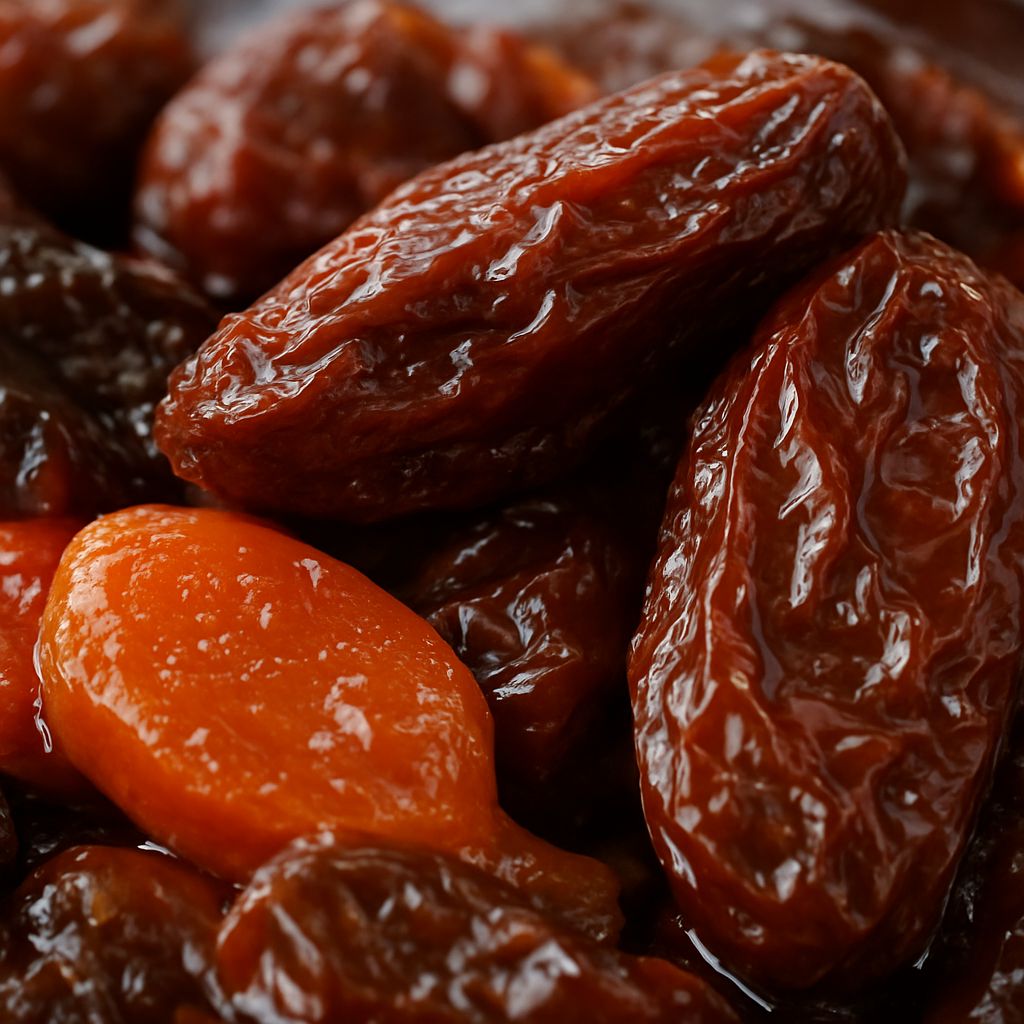
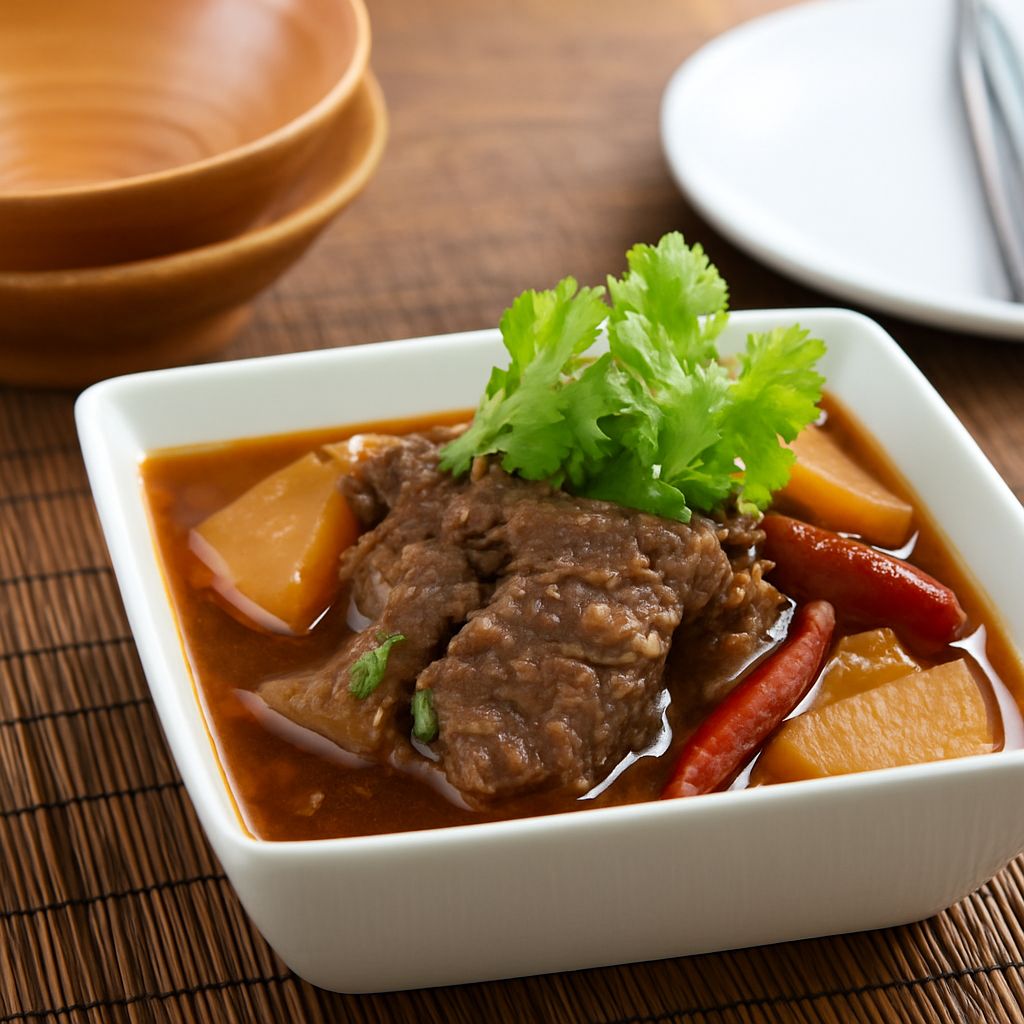
Szechuan beef noodle soup uses doubanjiang, a fermented broad bean and chili paste, as its backbone. Sichuan peppercorns create the hallmark numbing sensation that distinguishes this style from anything else. The beef broth simmers for hours with aromatics including star anise, cinnamon, ginger, and dried tangerine peel. The result is layered and complex in a way that rewards patience during the cook.
Wheat noodles, preferably hand-pulled or a good dried variety, are the standard in a sichuan beef noodle soup. They need to be chewy enough to hold their shape in the heavy broth. Thin rice noodles become too soft and dissolve into the sauce.
Building the Broth for Spicy Beef Soup
Regardless of the regional style, the broth defines the bowl. Start by blanching the beef in boiling water for three minutes to remove impurities, then discard that water. In a clean pot, sear aromatics in oil until fragrant. Add the beef, pour in cold water or stock, and bring to a boil. Reduce heat immediately and keep the broth at a gentle simmer. A rolling boil makes the broth cloudy and harsh.
For a spicy beef noodle soup in the Korean style, add gochugaru after the initial simmer and adjust seasoning with soy sauce and fish sauce. For the Szechuan version, fry doubanjiang in oil first until the oil turns red and fragrant, then add it to the broth. Both methods require tasting throughout and adjusting before the noodles go in.
Noodles and Toppings
Noodle choice is regional but the cooking method stays consistent. Cook noodles separately in unsalted water, drain, then add directly to the serving bowl before ladling hot broth over them. Never cook noodles directly in the broth; they absorb too much liquid and make the broth starchy.
Standard toppings include sliced scallions, a soft-boiled egg, thinly sliced braised beef, sesame oil, and chili oil. Pickled vegetables cut through the richness and add textural contrast. Fresh cilantro suits the Szechuan bowl; it competes in the Korean version where the fermented notes are more pronounced.
Next Steps
Start with the Korean spicy beef soup if you want a more accessible version to practice technique. The broth comes together faster and the seasoning is more forgiving. Once comfortable with broth-building, move to the sichuan beef noodle soup, which rewards the extra time spent on aromatics. Keep notes on your ratios so you can refine each batch until the bowl is exactly where you want it.