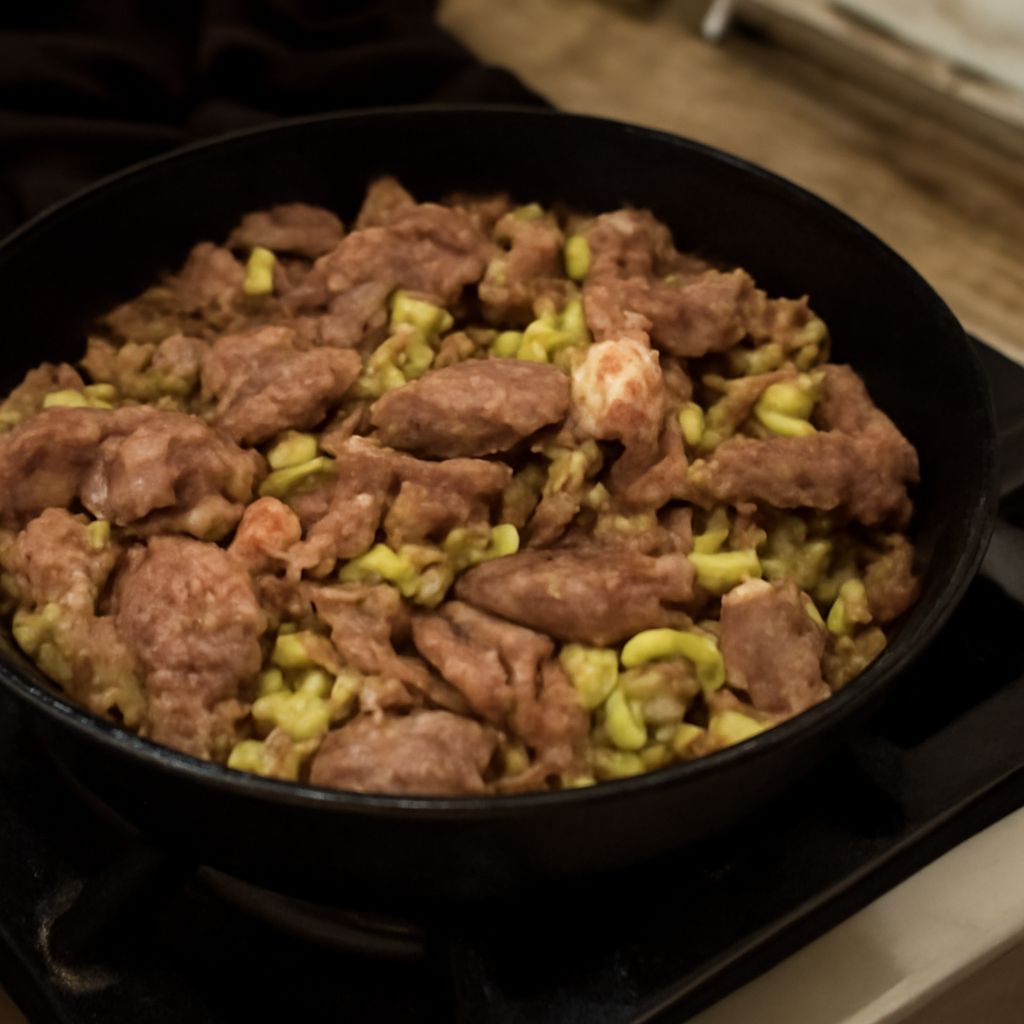
A venison backstrap marinade works on the leanest, most prized cut of the deer, and getting it right means understanding what that muscle needs and what it does not. The backstrap runs along the spine and gets minimal exercise, which makes it naturally tender. Unlike tougher cuts, the backstrap does not need an aggressive tenderizing marinade. What a deer backstrap marinade needs to do is add flavor and prevent moisture loss during cooking. A deer tenderloin marinade follows the same logic, since the tenderloin is a similarly lean and delicate cut. The best venison marinade for these premium cuts is one that complements the natural flavor without masking it. A venison roast marinade, by contrast, needs to work harder because a roast requires longer cooking that can dry out leaner meat.
Why Backstrap Needs a Different Approach
Backstrap is tender enough to eat rare or medium-rare when properly handled. That means the marinade time should be short, typically two to four hours, not overnight. Long acid-based marination on lean, delicate venison turns the outer layers of the meat mushy and gray before it ever hits the heat. A venison backstrap marinade with mild acid, good fat, and aromatic herbs for two to four hours in the refrigerator achieves all the flavor goals without compromising the texture.
Core Ingredients for a Deer Backstrap Marinade
The most effective deer backstrap marinade uses olive oil as the fat base, a mild acid like balsamic vinegar or red wine, garlic, fresh rosemary, and a touch of Worcestershire sauce for umami. Crushed black pepper and a pinch of salt go in last. Juniper berries, slightly crushed, are optional but add a distinctive wild game flavor that is worth including if you have them. Combine all ingredients in a zip-lock bag or shallow dish, add the backstrap, and refrigerate for two to four hours. Remove the meat and pat it completely dry before cooking. This step matters. A dry surface sears properly and develops a crust; a wet surface steams.
The best venison marinade for backstrap does not include soy sauce or overly salty components. The cut is lean and has very little fat to buffer excess salt. Keep sodium moderate and let the aromatics carry the flavor.
Deer Tenderloin Marinade Variation
The deer tenderloin is even smaller and more delicate than the backstrap. A deer tenderloin marinade should be lighter in acid. Use citrus juice rather than vinegar, which is gentler, and limit marination to no more than two hours. Combine the juice of one lemon, two tablespoons of olive oil, two minced garlic cloves, a teaspoon of fresh thyme, and a pinch each of salt and pepper. This brief marinade adds brightness and a floral herbal quality that suits the mild flavor of the tenderloin without overpowering it.
Venison Roast Marinade Approach
A venison roast marinade needs more structure because the cut is thicker and the cooking time longer. Increase the acid component to a half cup of red wine, add soy sauce for depth, and marinate overnight in the refrigerator. Include aromatics like bay leaves, star anise, and whole peppercorns. After marinating, sear the roast on all sides before braising it in the strained marinade with added stock. The longer marinade time for a roast gives the flavors time to penetrate a larger, denser muscle mass in a way that a backstrap would not benefit from.
Bottom line: Venison backstrap marinade needs to be short in time and mild in acid to protect the tender texture. Deer tenderloin marinade follows similar logic but is even gentler. Save the overnight, more aggressive approach for a venison roast marinade where the longer cook time justifies the longer soak.