Soy sauce eggs are one of the most rewarding things you can make with a few simple ingredients and very little time. The marinated eggs develop a deep mahogany color, a savory, slightly sweet flavor, and a texture that is completely different from a plain boiled egg. Understanding how to make soy sauce eggs correctly starts with getting the boil right, which determines the texture at the center before any marinating begins. A soy sauce egg prepared with a jammy, slightly soft yolk absorbs the marinade differently than a fully hard-boiled egg. If you follow a solid soy sauce egg recipe, the result is a snack, ramen topping, or rice bowl addition that punches far above its ingredient list.
The Boiling Method
Achieving the Right Texture Bring a pot of water to a full boil before adding the eggs. Lower eggs gently into the boiling water using a slotted spoon. Cook for exactly six minutes and thirty seconds for a jammy, custardy yolk. Cook for seven to eight minutes for a yolk that is set but still slightly soft at the center. Remove the eggs immediately and transfer to an ice bath for at least five minutes. The ice bath stops the cooking and makes the shells easier to peel. This method of how to make soy sauce eggs that retain the right interior texture is the most important step in the whole process.
Peeling Without Damage Peel the chilled eggs carefully under cold running water. The water helps separate the shell membrane from the white. Gently roll the egg on the counter to crack the shell in multiple places before peeling. Any damage to the white surface is minor and does not affect the final flavor. Damaged areas do mean the marinade penetrates unevenly in that spot, which can actually produce a more interesting visual effect when the egg is cut.
Making the Soy Sauce Marinade
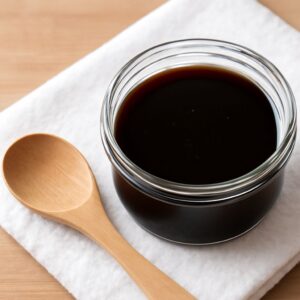
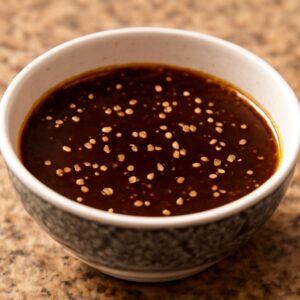
Combine half a cup of soy sauce, half a cup of water, two tablespoons of mirin, one tablespoon of sake or rice vinegar, and one teaspoon of sugar in a small saucepan. Bring to a simmer and stir until the sugar dissolves. Let the mixture cool completely before adding the peeled eggs. Adding hot marinade can cause the eggs to continue cooking. For soy sauce eggs, room temperature or chilled marinade is the correct approach. Optional additions include sliced ginger, garlic cloves, and a small piece of kombu for additional depth.
Marinating Time and Storage
Place the peeled eggs and cooled marinade in a zip-lock bag or narrow container, removing as much air as possible to keep all surfaces of the eggs in contact with the liquid. Marinate in the refrigerator for a minimum of four hours. Eight to twelve hours produces the best color and flavor penetration. Beyond 24 hours, the eggs can become too salty and the whites turn rubbery. A good soy sauce egg recipe finds the balance between color saturation and texture preservation in that overnight window.
Remove the eggs from the marinade after 24 hours and store separately in the refrigerator for up to three days. The marinade can be strained and reused once for another batch. Discard it after the second use.
Serving Soy Sauce Eggs
Slice soy sauce eggs in half lengthwise with a sharp knife or a piece of thin thread for a clean cut that does not drag through the yolk. Serve over ramen, rice bowls, or as a standalone snack with a sprinkle of sesame seeds and sliced green onion. The deep flavor and vivid color of a well-made soy sauce egg elevates even a simple bowl of steamed rice into something worth sitting down for properly.
Pro tips recap: Six minutes and thirty seconds produces the ideal jammy yolk for marinated eggs. Cool the marinade completely before submerging the eggs. Marinate overnight for the best color and flavor without over-salting the white.