Pizza sauce vs marinara is a question that comes up more often than you might expect. Both are tomato-based, both are Italian in origin, and both are red. But they are made differently, taste differently, and are used in different ways. Understanding the marinara vs pizza sauce distinction helps you use each correctly and avoid making the wrong choice in a recipe.
The difference between pizza sauce and marinara is not just about consistency. It comes down to cooking method, moisture content, and intended function. The difference between marinara sauce and pizza sauce matters whether you are building a pizza or making a dipping sauce. Using the wrong one for the wrong purpose changes the outcome in measurable ways. So the pizza sauce vs marinara sauce debate is worth settling once and for all.
What Marinara Sauce Is
Origins and Cooking Method
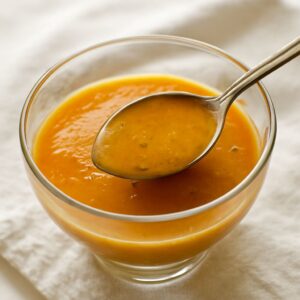
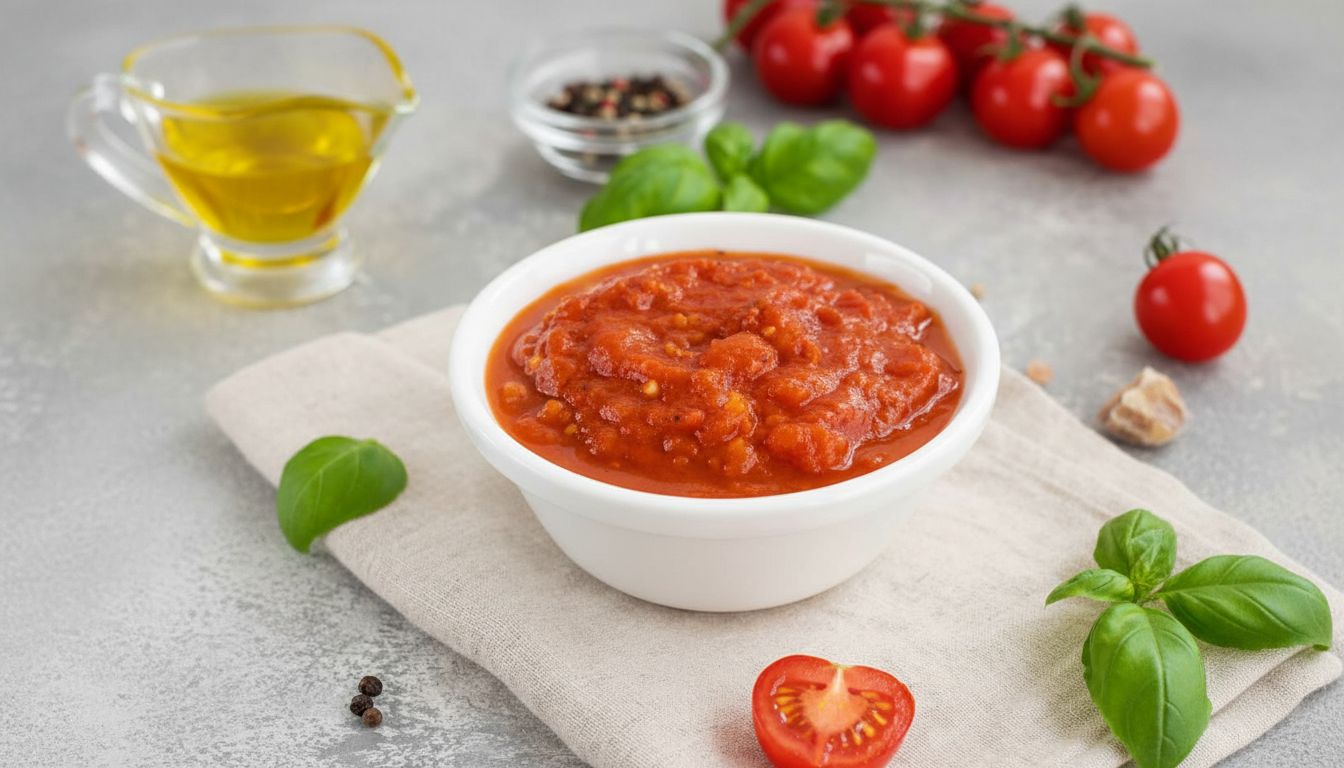
Marinara is a cooked tomato sauce made with olive oil, garlic, tomatoes, and usually basil or oregano. It is simmered on the stovetop until the tomatoes break down and the flavors meld, typically fifteen to thirty minutes. The result is a smooth or lightly chunky sauce with a bright, acidic character. It has significant moisture content because it is meant to be served warm over pasta or used as a dipping sauce.
Flavor Profile
Marinara is assertive, garlicky, and bright with tomato acidity. The olive oil creates a glossy, loose consistency. It is built to carry flavors through pasta rather than as a base that gets buried under toppings.
What Pizza Sauce Is
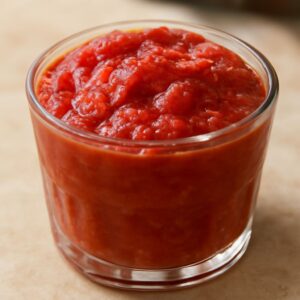
The key difference between pizza sauce and marinara sauce is that pizza sauce is often uncooked. Raw crushed or pureed tomatoes are mixed with olive oil, garlic, salt, and dried oregano, then spread directly onto the dough without cooking first. The oven does the cooking. This is critical because raw pizza sauce is much thicker and less liquid than cooked marinara. Using cooked marinara on pizza results in a soggy crust because the high moisture content steams rather than crisps the dough during baking.
When to Use Each
Use marinara for pasta, dipping breadsticks, dipping fried foods, and any application where the sauce is the primary flavor element. Use pizza sauce on pizza dough, calzones, and flatbreads where the sauce sits under toppings in a hot oven. The pizza sauce vs marinara choice is primarily about moisture level and cooking method. If you must use marinara on a pizza, spread it thin and allow it to reduce slightly in the oven before adding toppings.
Can You Substitute One for the Other
In a pinch, marinara vs pizza sauce swaps can work in both directions. Reduce a marinara sauce further on the stovetop until most of the moisture has cooked off, and it becomes dense enough to work as pizza sauce. Conversely, a pizza sauce thinned with olive oil and a splash of pasta water becomes a reasonable pasta sauce. Neither substitution is ideal, but both work when you do not have the correct sauce on hand.
Next Steps
Keep both sauces in your rotation. Make a large batch of marinara and reserve a portion before the final simmering stage for pizza use. The early-stage sauce, before all the moisture cooks off, sits between the two styles and adapts to either use with minor adjustment.