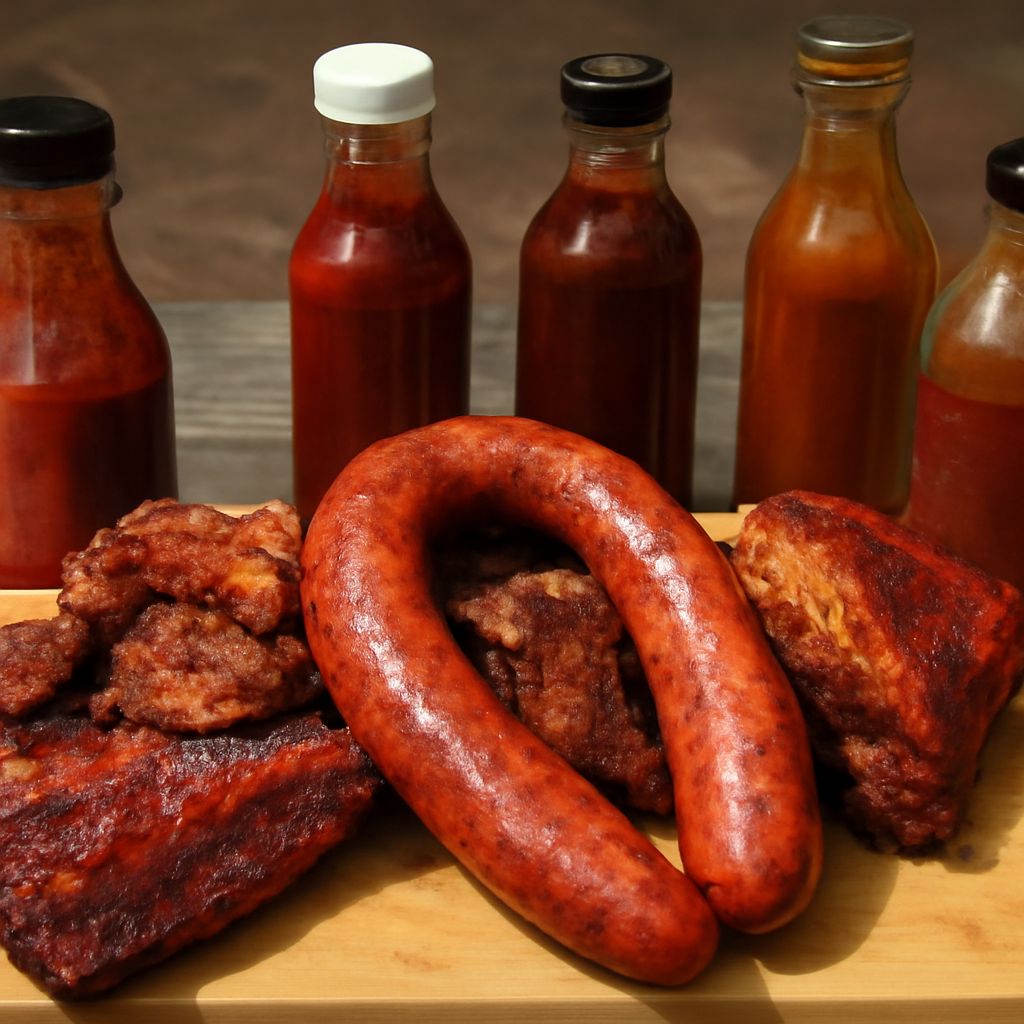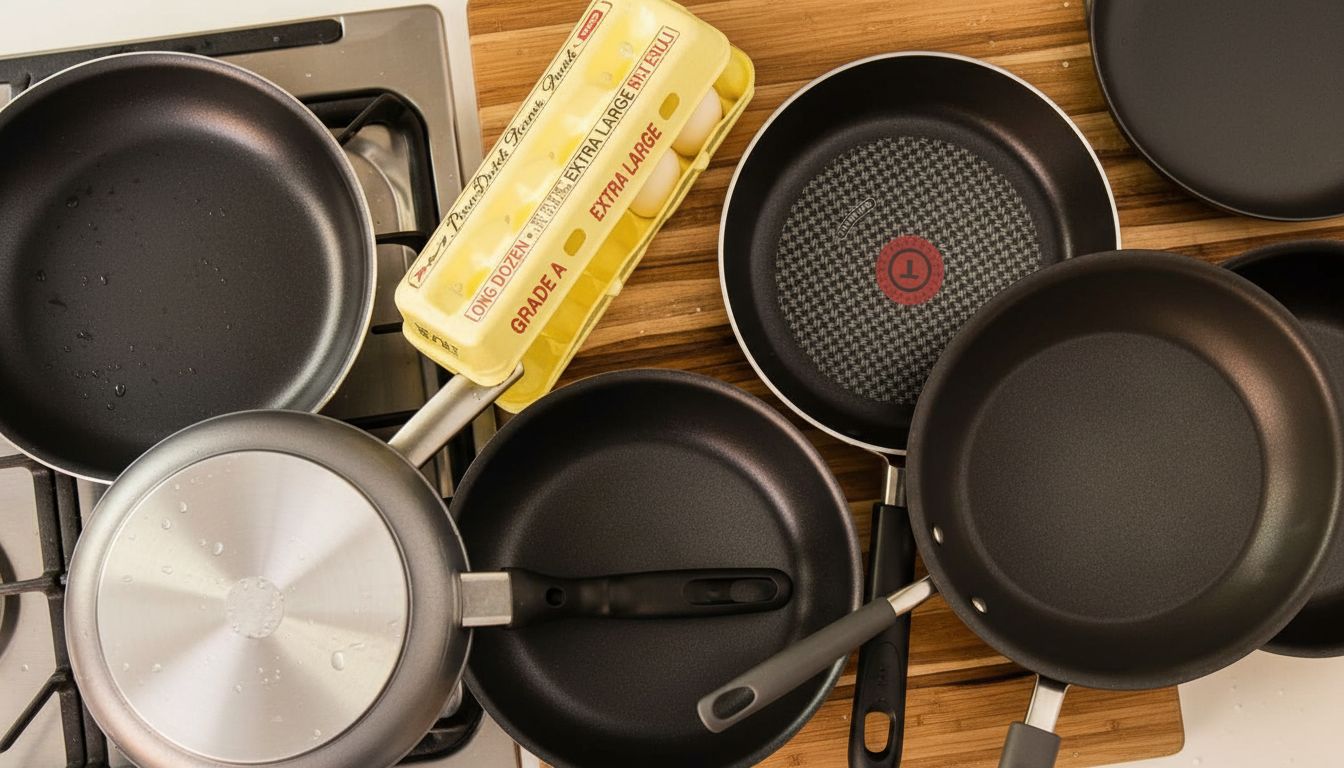
Seasoning a pan correctly transforms cast iron from a rough, reactive surface into one that cooks evenly and releases food naturally. The process involves applying thin layers of oil and baking them at high temperature until the fat polymerizes and bonds permanently to the iron. Seasoning a new cast iron skillet before its first use establishes the initial protective layer. Seasoning new cast iron properly from the start prevents rust, reduces sticking, and sets the foundation for a cooking surface that improves with use.
Whether you call it seasoning a skillet or seasoning pans in general, the technique is the same. The results depend on oil type, temperature, and how many layers you build. A few extra hours of initial work on a new piece of cast iron pays off over years of cooking.
What Seasoning Does to the Metal
Raw cast iron is porous at a microscopic level. Oil, when heated past its smoke point, undergoes polymerization: the fat molecules cross-link and form a hard, slick coating that fills the pores of the iron. This layer is chemically bonded to the surface, not merely sitting on top of it. Each round of seasoning adds another polymer layer. Over time, the surface darkens and becomes increasingly non-stick. That is the goal of seasoning a pan: building up these bonded layers.
Choosing the Right Oil
Use oils with a high content of polyunsaturated fats for the most durable result. Flaxseed oil is a popular choice for seasoning new cast iron because it polymerizes at a relatively low temperature and forms a hard layer quickly. Grapeseed oil and vegetable shortening also work well. Avoid olive oil for initial seasoning; it has a lower smoke point and may go rancid before fully bonding. The quantity of oil matters as much as the type. The layer must be thin enough to dry rather than remain sticky.
The Oven Method for Seasoning a New Cast Iron Skillet
Preheat the oven to 450–500°F. Wash the new skillet thoroughly with soap and water to remove any factory coating. Dry it completely on the stovetop over low heat. Apply a thin coat of oil to every surface: the cooking surface, the sides, the handle, and the bottom exterior. Wipe off nearly all of it so the surface looks almost dry. Place the skillet upside down in the oven on the center rack. Put foil on the rack below to catch any drips. Bake for one hour, then turn off the oven and allow the pan to cool completely inside before removing it. Repeat this cycle three to six times when seasoning a new cast iron skillet for the first time.
Stovetop Maintenance Between Uses
Seasoning a skillet on the stovetop after each use maintains the existing layers. After washing and drying the pan completely, heat it over medium until all moisture has evaporated. Apply a few drops of oil to the cooking surface and wipe with a cloth or paper towel until only a very thin sheen remains. This light maintenance coat protects the iron and adds incrementally to the overall seasoning. Most daily cooking in well-seasoned pans does not require additional attention beyond this brief step.
Troubleshooting Seasoning Issues
If seasoning pans produces a sticky residue, the oil layer was too thick. Strip the pan with steel wool, wash clean, and start over with thinner applications. If the surface is uneven or patchy after the oven process, the temperature was likely too low for full polymerization. Rust spots indicate moisture was left on the iron. Remove rust with steel wool, re-dry over heat, and re-season from the beginning. None of these setbacks are permanent when seasoning new cast iron; the iron itself is nearly indestructible and can always be restored.