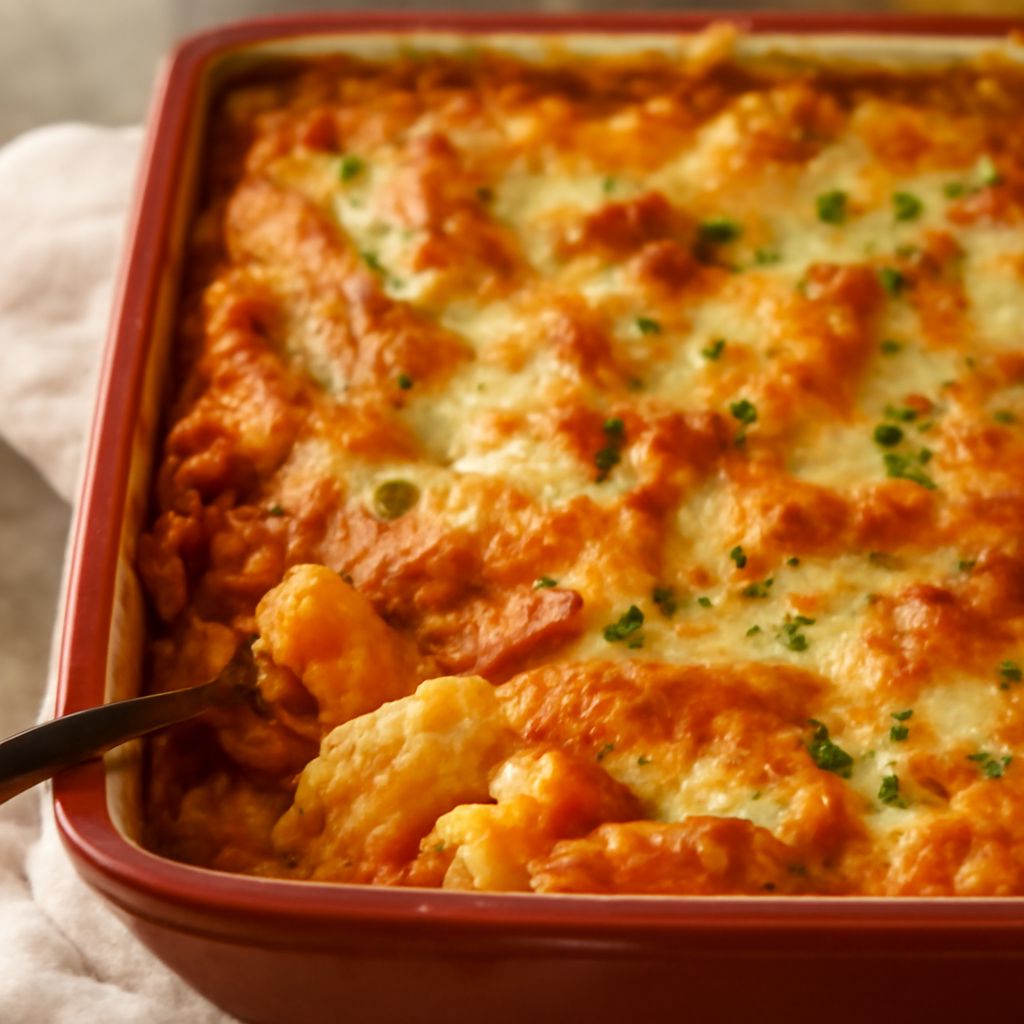
Carrots need more time to soften than peas, and that small difference matters in a casserole. Give the firmer vegetables a head start, then fold everything into a sauce thick enough to cling to the chicken. The result is a tender, colorful dinner with a golden top.
This casserole of chicken and vegetables uses cooked chicken, a simple stovetop sauce, and a mix of fresh and frozen vegetables. A short covered bake heats the center, while an uncovered finish browns the topping. Serve it with bread or a green salad for a satisfying meal.
Chicken and Vegetable Casserole: Ingredients and Method
This chicken vegetable casserole serves six in a 9-by-13-inch baking dish. Allow about 25 minutes to prepare, 25 to 35 minutes to bake, and 10 minutes to rest. Start with fully cooked chicken; leftover roast chicken or a rotisserie chicken works well. Keep it refrigerated until you are ready to use it.
Ingredients
- 3 cups cooked chicken, cut into bite-size pieces
- 2 medium carrots, diced into 1/4-inch pieces, about 1 cup
- 2 celery ribs, diced, about 1 cup
- 1 medium onion, diced
- 2 cups small broccoli florets
- 1 cup frozen peas
- 4 tablespoons unsalted butter, divided
- 1/4 cup all-purpose flour
- 1 1/2 cups low-sodium chicken broth
- 1 cup milk
- 1 teaspoon dried thyme
- 3/4 teaspoon kosher salt, plus more to taste
- 1/2 teaspoon black pepper
- 1 cup shredded cheddar, divided
- 1/2 cup plain breadcrumbs
- 1 tablespoon chopped parsley, optional
Use a large skillet or saucepan for the vegetables and sauce, plus a buttered baking dish. The small carrot pieces and broccoli florets help the vegetables cook at a similar pace. If the florets are large, cut them into smaller pieces before you begin.
Prepare and bake
- Heat the oven. Set it to 375°F and butter the baking dish. Melt 1 tablespoon of the butter in a large skillet over medium heat.
- Soften the vegetables. Add the carrots, celery, and onion and cook for 6 to 8 minutes, stirring, until the onion is translucent and the carrots begin to soften. Add the broccoli and 2 tablespoons water. Cover and cook for 3 to 4 minutes, until the broccoli is bright green and just becoming tender. Transfer the vegetables to a bowl.
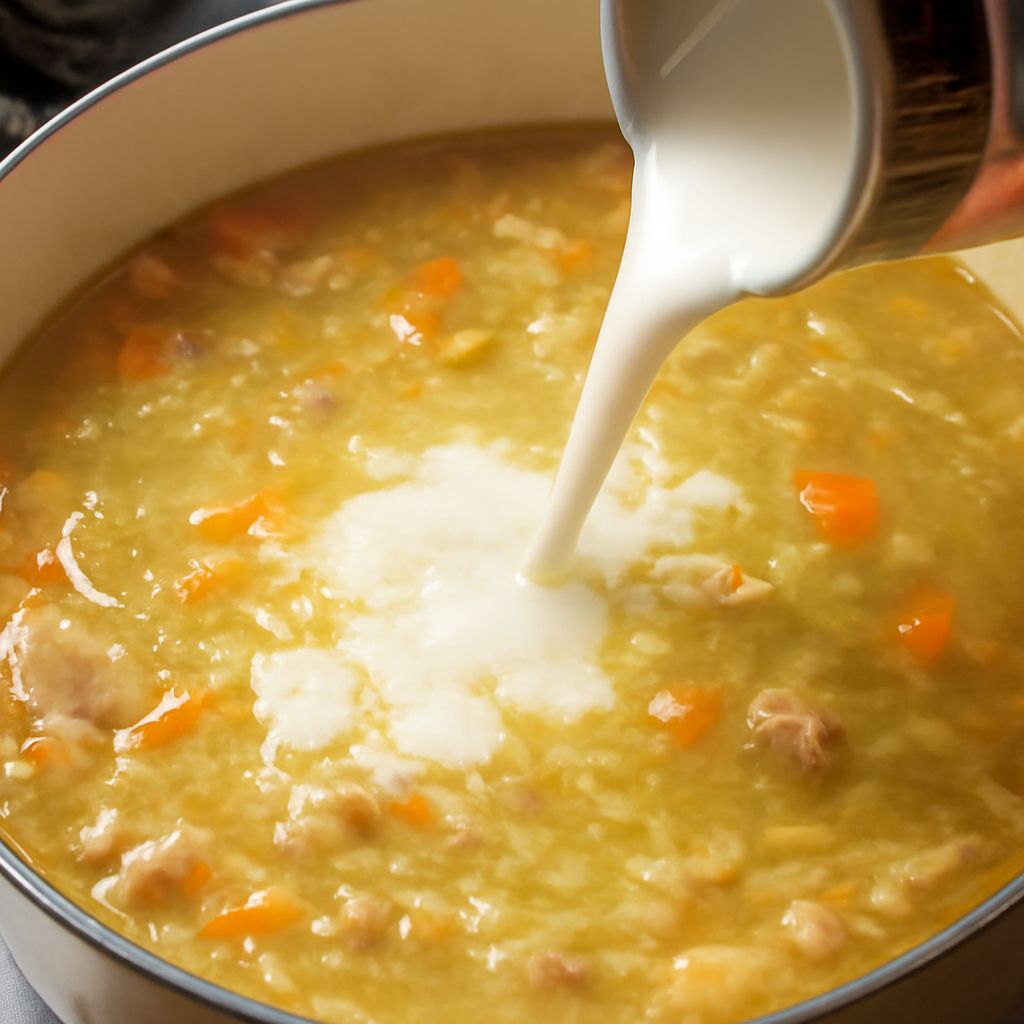
- Make the sauce. Melt 2 tablespoons butter in the skillet. Stir in the flour and cook for 1 minute. Gradually whisk in the broth and milk until smooth. Add the thyme, salt, and pepper. Simmer, stirring, for 3 to 5 minutes, until the sauce coats the back of a spoon.
- Combine. Stir in 1/2 cup of the cheddar until melted. Fold in the cooked chicken, vegetables, and frozen peas. Taste the hot mixture and adjust seasoning. Transfer to the prepared dish and spread evenly.
- Top and bake. Melt the remaining tablespoon butter and mix it with the breadcrumbs. Sprinkle the remaining cheddar over the casserole, followed by the crumbs. Cover loosely with foil and bake for 15 minutes; uncover and bake for another 10 to 20 minutes, until the topping is golden, the sauce bubbles, and the center reaches 165°F on a food thermometer.
- Rest and serve. Let stand for 10 minutes, then scatter with parsley. The sauce will settle as the casserole rests, making it easier to spoon onto plates.
Prepare the Chicken and Vegetables
A chicken and vegetable casserole is a useful home for cooked chicken, provided it has been refrigerated promptly and is still within its safe storage time. Remove bones and skin, then cut or pull the meat into bite-size pieces. Both breast and thigh meat work. Larger chunks stay distinct; smaller pieces distribute more evenly through the sauce.
For the chicken veggie casserole, cut carrots and celery small enough to soften before the chicken dries out. The stovetop step begins that process and also develops flavor in the onion. Test a carrot with the tip of a knife before adding the broccoli: it should offer a little resistance, since it will continue cooking in the oven.
Broccoli needs a shorter head start. Covering the skillet briefly traps steam and softens its stems while keeping the florets intact. Frozen peas can go directly into the sauce because they are small and heat quickly. If using a frozen vegetable blend instead, check the package directions and drain any excess water after thawing or cooking as directed.
A chicken-and-veggie bake can include cauliflower, green beans, or corn. Cut firmer vegetables small and soften them first. Tender or frozen vegetables generally need less time. Aim for about five cups of prepared vegetables in total so the amount of sauce remains appropriate. If a vegetable releases a lot of water, cook and drain it before mixing.
Make a Sauce That Holds Everything Together
In a chicken and veggie casserole, the sauce should coat the pieces without pooling at the bottom of the pan. Butter and flour make a simple thickening base; whisking in the liquid gradually keeps it smooth. Let the mixture simmer after adding the broth and milk so the flour can thicken the sauce and lose its raw taste.
Dip a spoon into the sauce and run a finger across the back after it cools enough to touch. The line should remain visible for a moment. If the sauce is thin, simmer it a few minutes longer, stirring the bottom and corners of the pan. If it becomes too thick to fold around the chicken, whisk in broth a tablespoon or two at a time.
Cheddar adds flavor as well as body. Stir it into the warm sauce over gentle heat until melted; a vigorous boil can make a cheese sauce grainy. Taste before adding more salt because broth, cheese, and cooked chicken vary in seasoning. A little black pepper and thyme keep the flavor savory without hiding the vegetables.
Assemble for Tender Vegetables and a Golden Top
The chicken vegetable casserole should go into the dish as an even layer. Fold gently so the broccoli stays in pieces, then spread the mixture without pressing it down. The dish may look full of sauce at this stage, but the sauce should still cling to the ingredients. A shallow, broad pan lets the center heat while giving the topping room to brown.
Mixing melted butter with breadcrumbs helps them turn golden. Covering the dish for the first part of baking holds moisture around the filling; removing the foil later lets the topping crisp. If the crumbs brown before the center is hot, replace the foil loosely and continue baking. For chicken and vegetables casserole toppings, breadcrumbs supply crunch, while a little cheddar contributes savory color.
Use a food thermometer in the center and check for 165°F. Bubbles at the edges show that the sauce is hot there, but a deep or cold dish may need longer in the middle. If the center has not reached temperature, return the dish to the oven and check again after several minutes. The vegetables should be tender when pierced and still hold their shape.
Adjust the Flavor and Serve
A chicken veggie casserole can be made milder or more assertive. Substitute a little smoked paprika for some of the thyme, or stir in a teaspoon of Dijon mustard for a gentle tang. Use a cheese you enjoy melting, such as Monterey Jack, in place of cheddar. Add seasonings gradually and taste the fully cooked mixture before it goes into the dish.
For a lighter finish, omit the breadcrumb topping and sprinkle parsley over the baked chicken and vegetable dish. A squeeze of lemon at the table brightens the creamy sauce. If you want more crunch, keep the crumbs and serve a crisp green salad alongside. Warm bread is helpful for catching any sauce left on the plate.
This chicken and vegetable casserole is filling on its own. For a larger appetite, add mashed potatoes or a slice of cornbread. Keep the vegetable pieces generous so chicken and sauce remain the focus. A small bowl of pickles or a vinegar-dressed salad adds a lively contrast to the rich topping.
Store and Reheat
Divide leftover chicken and veggie bake into shallow covered containers and refrigerate within two hours, or within one hour if the room is above 90°F. Keep at 40°F or below and use within three to four days. Smaller portions cool quickly.
Reheat leftovers to 165°F throughout, checking the center with a thermometer. A covered dish in a moderate oven keeps the filling moist; uncover briefly to refresh the crumbs. If reheating in the microwave, stir or rotate where possible, allow standing time, and check several places. Add a spoonful of milk or broth if the sauce has thickened substantially in the refrigerator.
If the Texture Needs Attention
If the sauce in your chicken and vegetable bake looks watery before assembly, simmer it longer and drain any wet vegetables. If it becomes too thick, whisk in a little broth. After baking, let the dish rest before serving; if the center is still below 165°F, cover the browned topping loosely and continue baking. If carrots remain firm, cut them smaller and give them a longer head start in the skillet next time.