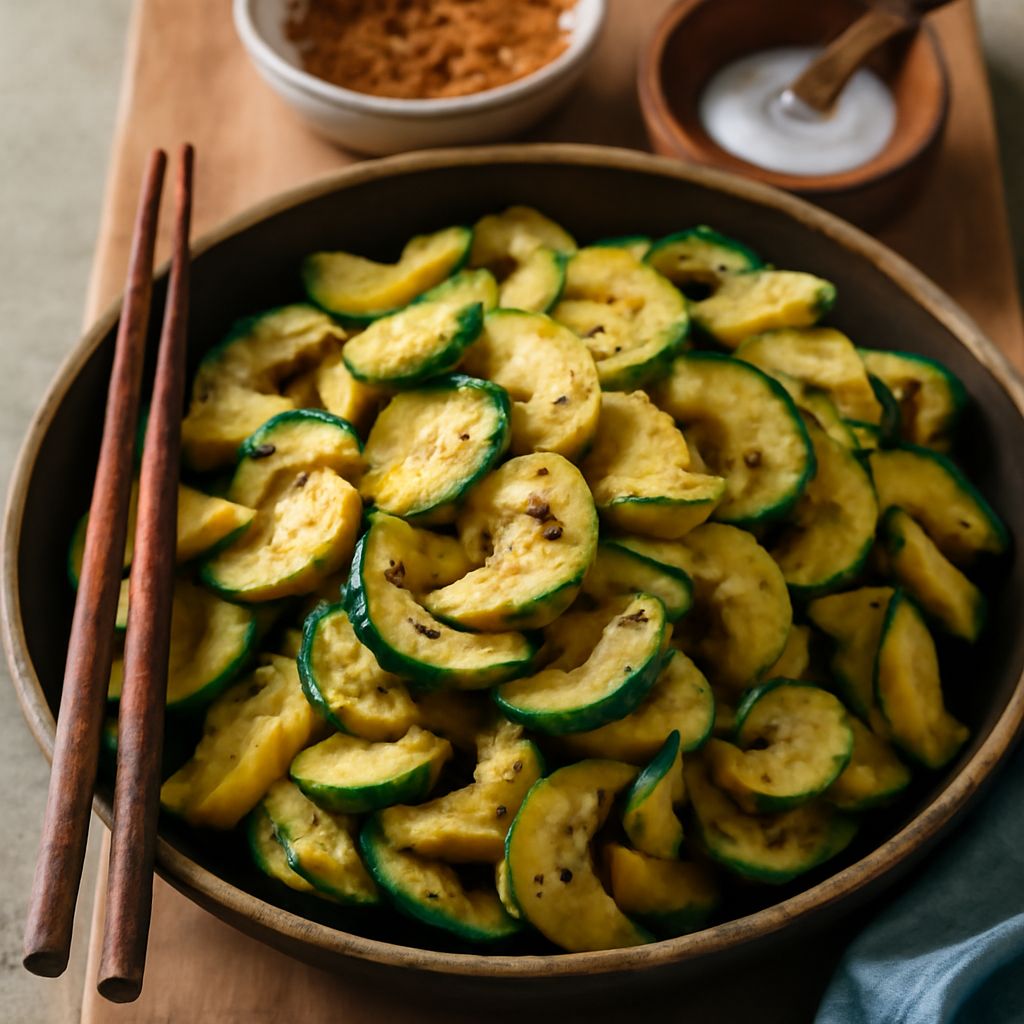
A hot skillet gives green zucchini and yellow summer squash golden edges while keeping their centers tender. The vegetables cook quickly, so a little space in the pan and a watchful eye make all the difference in this recipe for zucchini with squash.
For an easy recipe with squash and zucchini, cut both into even slices, cook in batches, and finish with garlic and a squeeze of lemon. The result is a colorful side that sits happily beside fried chicken, pork chops, or a bowl of beans.
Squash and Zucchini Recipes: Ingredients and Timing
This yellow squash and zucchini recipe makes four side servings. Allow 10 minutes to prepare the vegetables and about 12 to 16 minutes to cook them in two batches.
- 2 medium green zucchini, about 1 pound total
- 2 medium yellow summer squash, about 1 pound total
- 2 tablespoons olive oil, divided
- 1 tablespoon unsalted butter
- 2 garlic cloves, finely minced
- 1/2 teaspoon kosher salt, plus more to taste
- 1/4 teaspoon freshly ground black pepper
- 1 tablespoon lemon juice, or to taste
- 2 tablespoons chopped parsley, optional
Use a wide 12-inch skillet, a spatula, and a plate for the first batch. A heavy skillet is especially good at keeping its heat when the vegetables go in. If yours is smaller, make three batches instead of two; it will take longer, but the slices will have room to brown.
Olive oil carries the heat, while a little butter at the end rounds out the flavor. Lemon wakes up the mild vegetables, and parsley adds a fresh finish. Taste before adding more salt, particularly if the side will be served with a salty main course.
How to Cook the Vegetables
- Wash and slice. Rinse and dry the zucchini and yellow squash. Trim the stem and blossom ends, then cut each into rounds about 1/4 inch thick. If a squash is wide, halve it lengthwise first and cut it into half-moons of the same thickness. Pat the cut pieces dry with a clean towel.
- Heat the pan. Set the skillet over medium-high heat and add 1 tablespoon of the oil. Give it a moment to shimmer. Arrange half the slices in a loose single layer; a little overlap is fine, but avoid piling them high.
- Brown the first batch. Leave the pieces undisturbed for about 2 to 3 minutes, until the undersides have golden spots. Turn them and cook another 2 to 3 minutes. They should be tender enough for a fork to enter but still hold their shape. Transfer to a plate.
- Cook the rest. Add the remaining tablespoon of oil and repeat with the second batch. Adjust the heat if the slices darken too quickly. If the pan looks dry, add a small drizzle of oil rather than pouring in water.
- Finish together. Lower the heat to medium-low. Return the first batch to the skillet and add the butter and garlic. Toss gently for 30 to 60 seconds, just until the garlic smells fragrant. Sprinkle on the salt and pepper, then remove the pan from the heat.
- Taste and serve. Add the lemon juice and optional parsley, toss once, and taste. Add a little more salt or lemon if needed. Serve promptly, while the edges still have their browned flavor and the centers are warm.
This is one of those zucchini and squash recipes where the pan does much of the work. Let the slices touch the hot surface before stirring, then stop when they bend slightly but have not collapsed. If they are still hard in the center, give them another minute; if they release liquid, let it evaporate before combining the batches.
Why the Skillet Gets Watery
Summer squash contains plenty of moisture. When too many pieces are piled together, the pan cools and their juices collect before they can evaporate. The vegetables soften, but they miss the browned edges that make this side so appealing. A wide pan and batches give each slice contact with the surface.
The thickness of the cut matters, too. Very thin slices can go from tender to floppy quickly; thick chunks take longer to cook through. For this skillet dish, 1/4-inch slices offer a balance of browning and a tender center. If you cut them thicker, lower the heat a little after browning and give them an extra minute or two.
Dry the vegetables after washing, and add salt toward the end of cooking. Salting well ahead can draw moisture to the surface, so it is less convenient when you want to put the pieces straight into a hot skillet. There is no need to press every drop out: a quick pat with a clean towel is enough.
With yellow squash, zucchini recipes gain a colorful partner; give both a little patience before the first turn. Peek underneath a piece after a couple of minutes. If it is pale, leave the batch alone a bit longer. If it has dark patches and the center is still firm, reduce the heat so the inside has time to catch up.
Green Zucchini, Yellow Squash, and Yellow Zucchini
Green zucchini and yellow straightneck or crookneck squash are all summer squash, but they are not identical varieties. Yellow zucchini also exists: it is a yellow variety of zucchini, rather than a name for every yellow summer squash. University of Florida Extension notes that zucchini can range in color from dark green to yellow.
For yellow zucchini recipes, use the golden variety in place of some or all of the green zucchini. In a recipe with golden zucchini, slice it the same thickness and watch for a tender, lightly browned finish. Recipes using yellow zucchini alongside yellow straightneck squash make a mostly golden dish with the same simple skillet seasoning.
Choose small or medium vegetables that feel firm, with smooth skin and no soft spots. Their skins are tender enough to leave on, and the colors make a lovely plate. A very large squash may have a softer, seedier center; if it does, scoop out the loose seeds before slicing and keep the pieces similar in size.
Simple Variations for the Same Side
Many yellow squash and zucchini recipes add herbs after cooking. Try basil in place of parsley, or use a little thyme with the garlic. Add tender herbs off the heat so they stay bright. Start with a small amount, taste, and add more if the vegetables need it.
For a savory finish, scatter 2 tablespoons of grated Parmesan over the warm slices just before serving. The cheese adds salt as well as richness, so taste before seasoning further. A pinch of red pepper flakes in the garlic butter gives the pan a little warmth without changing the dish into something else.
Some zucchini and summer squash recipes lean on lemon; others use a small splash of vinegar. Either can brighten the buttery vegetables. Add it at the end, a teaspoon at a time, so you can taste the effect. If the lemon is especially sharp, a little more butter can soften the edge.
For summer squash and zucchini recipes with onion, cook 1/2 thinly sliced onion in a teaspoon of oil until soft, then transfer it to the plate before browning the vegetables. Return it with the first batch. Cooking it separately keeps the onion from occupying the space the slices need to brown.
What to Serve With It
The gentle flavor of this skillet side works with smoky, crisp, and slow-cooked foods. Spoon it beside fried chicken, baked fish, grilled pork, or black-eyed peas. Add cornbread to a plate with greens, or pair the vegetables with rice and a roasted main dish for an easy dinner.
Among zucchini and yellow squash side dish recipes, this one is particularly convenient when the main course is already in the oven. Prepare the slices ahead, then cook them just before serving. A warm platter gives the pieces room to spread out and keeps them from steaming in a deep pile.
For yellow and green squash recipes at a gathering, double the ingredients only if you can cook in additional batches. Keep finished portions on a plate while you work and return them briefly to the pan to warm through. The extra contact with the hot surface gives the last toss a chance to bring the flavors together.
Storing and Reheating
Refrigerate leftovers in a shallow covered container within two hours, or within one hour if the temperature is above 90°F. Keep them at 40°F or below and use within three to four days, following USDA guidance.
To reheat, warm a little oil in a skillet over medium heat and add the vegetables in a shallow layer. Stir gently until heated through; leftovers should reach 165°F. They will be softer than freshly cooked slices, but a brief uncovered reheat helps any collected liquid evaporate. Add fresh lemon or herbs after warming if the flavor needs a lift.