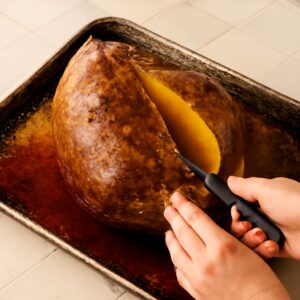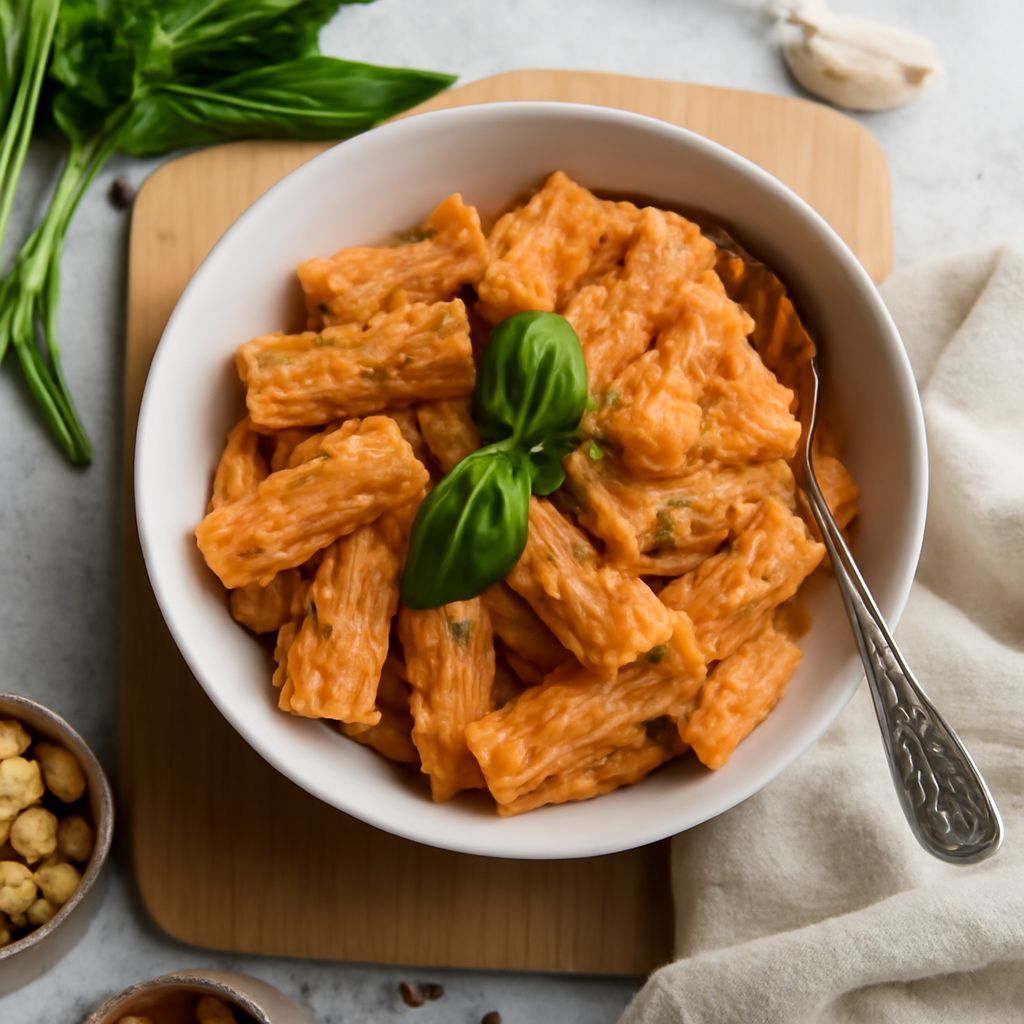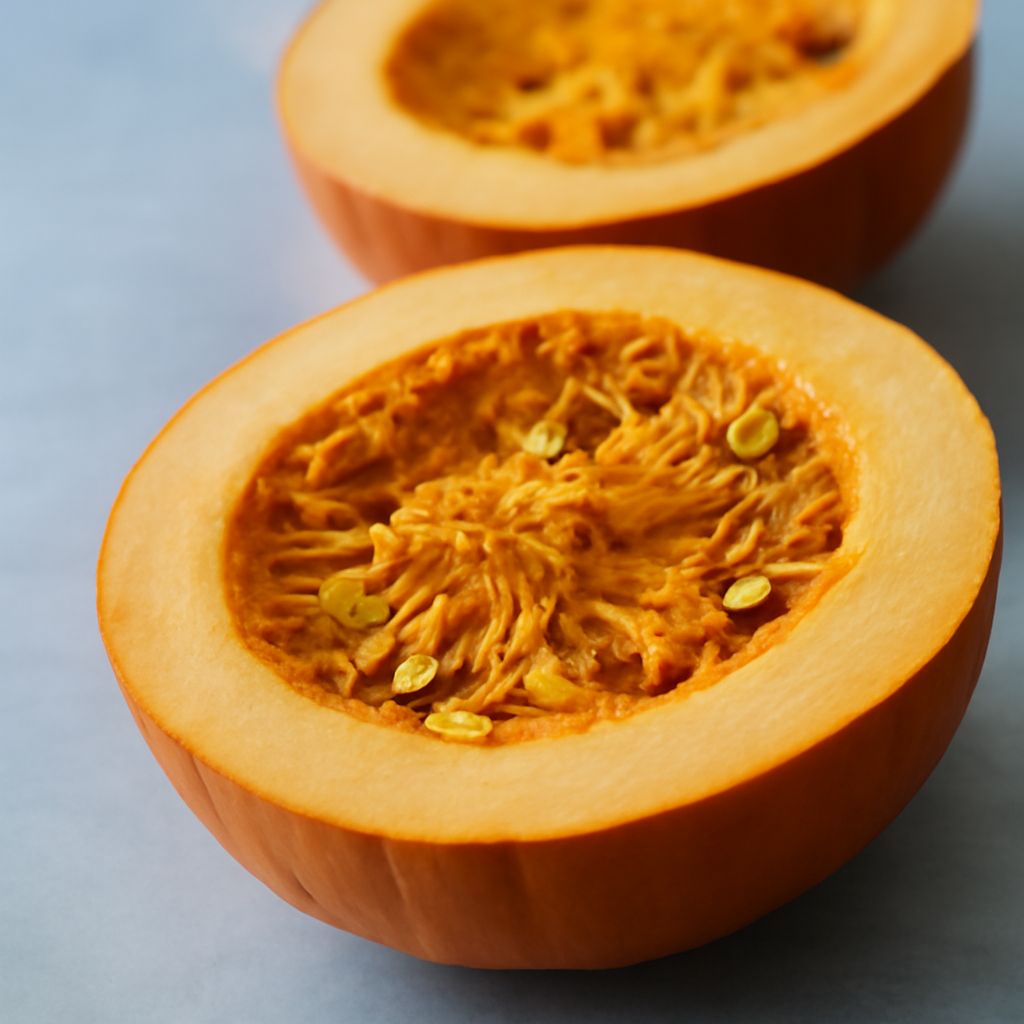
Choose a small pie pumpkin, cut it into manageable pieces, and bake until a fork slides easily into the flesh. This oven method turns a firm pumpkin into a tender base for soup, a savory side, or a smooth purée. You can season it after cooking to suit whatever is on the menu.
A 3- to 4-pound pumpkin usually fits on one large sheet pan once quartered. Allow time for the pieces to cool enough to handle, and you will be able to lift the orange flesh away from the skin with a spoon.
How to Bake a Pumpkin for Everyday Cooking
Baking pumpkin is straightforward when you begin with a variety grown for eating. Look for a sugar or pie pumpkin with firm skin, no soft spots, and a size you can handle comfortably. These smaller pumpkins generally have flesh better suited to cooking than the large types commonly grown for carving, which can be stringier and less flavorful.
Choose a firm, heavy pumpkin with its stem attached, and carry it from underneath. Avoid a painted or previously carved decoration: once a pumpkin has been carved and displayed at room temperature, it is no longer a good candidate for the kitchen.
If you are wondering how to bake a pumpkin, the most useful decision is how large to cut it. Quarters offer broad flat sides for stable handling and cook more evenly than an intact pumpkin. The basic method below uses no seasoning on the flesh, so the result can go into either a savory dish or a sweet one.
A Reliable Oven Method
This is how to bake a pumpkin for tender pieces that are easy to scoop. The yield varies with the size of the seed cavity and thickness of the flesh, but a 3- to 4-pound pie pumpkin should provide roughly 2 to 3 cups of cooked flesh. Plan on about four side servings, or enough purée for a batch of soup with some left over.
You will need:
- 1 small pie or sugar pumpkin, about 3 to 4 pounds
- 1 teaspoon neutral oil for the pan, optional
- A sturdy spoon for scooping
- A large rimmed baking sheet
Time: about 15 minutes to prepare, 35 to 55 minutes to bake, plus 10 to 15 minutes to cool enough to handle.
- Heat the oven to 400°F, with a rack in the middle. Line the baking sheet with parchment or lightly oil it. Wash your hands and scrub the pumpkin under running water with a clean produce brush; dry the rind thoroughly. University of Minnesota Extension recommends washing firm produce before cutting it.
- Put a large cutting board on a damp towel. With a sharp, sturdy chef’s knife, trim a thin slice from the bottom to make a stable base. Set the flat bottom on the board. Cut down through the pumpkin beside the stem, keeping your fingers clear of the blade, then cut the remaining section into quarters. If it rocks or the knife sticks, stop and ask a produce counter to cut it; do not force the blade through an unstable piece.
- Use a sturdy spoon to scrape out the seeds and stringy fibers from each quarter. Save the seeds separately if you wish to roast them, or discard them. Leave the rind on: it protects the flesh while it cooks and is easy to remove afterward.
- Arrange the pieces cut-side down on the prepared sheet, leaving some space between them. Bake for 35 to 55 minutes. Begin checking at 35 minutes; the time needed to bake a pumpkin increases when the pieces are larger or thicker. The skin may wrinkle and the cut edges may brown.
- Carefully turn one piece over with a spatula. Push a fork or small knife into the thickest flesh near the rind. It should slide in easily, without a hard center. If it meets resistance, extend the pumpkin baking time by 5 to 10 minutes and test again.
- Let the pieces cool until comfortable to handle, about 10 to 15 minutes. Scoop the flesh from the rind with a large spoon. Serve it in chunks, mash it with a fork, or purée it for later use. The skin can be discarded.
The exact answer to how long to cook pumpkin depends on thickness and moisture as well as oven temperature. Pumpkin cooking time is a range: begin testing at 35 minutes and allow up to 55 minutes for the thickest pieces. Treat that range as a guide and the fork as the final judge. A shallow sheet pan gives the pieces room to cook; piling them together makes them harder to test and can slow the process.
Cutting Safely and Getting an Even Result
A dry rind, a stable board, and a sharp knife make the first cuts more controlled. Keep the knife hand on the handle and your other hand clear of its path. If the stem end makes a straight cut difficult, work beside it rather than trying to chop through the hard stem. Once you have a flat side, place it against the board before making the next cut.
When baking pumpkin, the pieces do not need to be identical, but aim for similar thickness. A small quarter may soften sooner than a thick one; remove the tender piece and give the others more time. How long the pumpkin takes to soften also depends on its moisture, so check each piece separately. If your pumpkin is too large to divide securely, a produce counter can help with that first step. Each section should sit flat.
For anyone learning how to cook pumpkin in the oven, the cut-side-down position is helpful: the flat surface meets the pan and the skin shields the flesh. If the exposed edges brown faster than the center softens, loosely cover those edges with foil and continue cooking. There is no need to peel the raw pumpkin, a fiddly job when the rind is firm.
From Tender Flesh to Smooth Purée
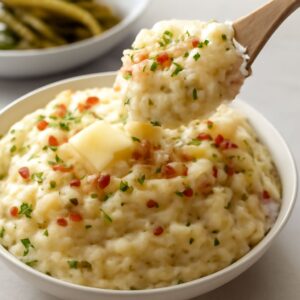
For a rustic side, mash the warm flesh with a tablespoon of butter, a pinch of salt, and black pepper. Add a splash of warm broth if it seems stiff. Serve it with beans and greens, roasted chicken, or a spoonful of savory gravy. A little lemon juice or apple cider vinegar brightens a particularly sweet pumpkin.
For purée, scoop the flesh into a bowl and mash thoroughly, or use a food processor until smooth. If it seems watery, spoon it into a fine-mesh strainer set over a bowl and refrigerate while it drains. A thicker purée is useful in baking, where extra liquid can change the texture. Measure it after draining if another recipe specifies a quantity.
Roasting pie pumpkin gives you control over the final seasoning. Leave the flesh plain for pie, muffins, or soup; add cinnamon and a little maple syrup at serving for a sweeter side. For soup, warm the purée with broth, sautéed onion, and a pinch of smoked paprika, adding liquid gradually until the texture suits you. Adjust salt to taste.
Variations for the Same Pan
Use this method to roast a pie pumpkin with several flavors. Keep the pieces similar in size and use the same tenderness test, then finish them in one of these ways:
- Savory garlic: Toss the scooped flesh with a little olive oil, a small cooked garlic clove, and chopped parsley. Add salt and pepper to taste. Cooking the garlic separately keeps it from scorching while the pieces soften.
- Warm spices: Stir a pinch of cinnamon and ginger into the mashed flesh, then add a small spoonful of maple syrup. Taste first: some pumpkins are naturally sweeter than others.
- Soup starter: Purée the cooked flesh with warm broth and a spoonful of sautéed onion. Add a little at a time so you can choose a thick or pourable consistency.
If using the baked pie pumpkin in sweet and savory dishes, refrigerate it plain and season each portion when you serve it. The same batch can become a side tonight and soup tomorrow without committing the whole pumpkin to one flavor.
Store the Cooked Flesh Safely
Transfer leftovers into shallow covered containers and refrigerate within two hours of cooking, or within one hour if the food is exposed to temperatures above 90°F. Keep the refrigerator at 40°F or colder. Use the cooked flesh within four days, or freeze portions for later. Reheat leftovers to 165°F, following FoodSafety.gov’s guidance.
For the freezer, pack cooled purée in freezer-safe containers, leaving 1/2 inch of headspace, or flatten portions in freezer bags and label them with the date and amount. Thaw in the refrigerator. Penn State Extension recommends freezing purée and advises against home-canning mashed or puréed pumpkin because safe heat penetration has not been established.
The most common trouble is a hard center: the outside may look done while the thickest flesh still resists a fork. Return that piece to the oven for another 5 to 10 minutes, then test it again near the rind. Once the fork slides through easily, scoop and serve.