The soup nazi is one of the most iconic characters in television comedy history. The phrase “no soup for you” entered the cultural lexicon after a single Seinfeld episode aired in 1995. But behind the soup nazi character is a real person, a real restaurant, and a genuinely remarkable soup.
For anyone curious about what the soup natzi name actually refers to, or who the real soup nazi was and what made his soups so sought-after, this guide covers the full story. The real soup nazi — Al Yeganeh — ran Soup Kitchen International on West 55th Street in Manhattan, and the lines outside stretched around the block every winter day.
The Seinfeld Episode
How It Became a Cultural Moment
Season 7, Episode 6 of Seinfeld, titled “The Soup Nazi,” aired on November 2, 1995. It was written by Spike Feresten and based on Larry David’s real-life experiences ordering soup from Al Yeganeh’s restaurant. The episode depicted a soup vendor with an iron set of rules — customers had to order quickly, move to the left, and have exact change ready. Anyone who broke protocol was told “No soup for you!” and turned away. The episode was a ratings hit and generated enormous media coverage.
Who Was the Real Soup Nazi
Al Yeganeh and Soup Kitchen International
Al Yeganeh, an Iranian immigrant, opened Soup Kitchen International on West 55th Street in Manhattan in the 1980s. His soups were genuinely extraordinary — he sourced ingredients obsessively and changed the menu daily based on what was freshest at the market. Lines regularly stretched around the block, and customers followed his strict ordering protocol willingly because the soup was worth it. The soup nazi nickname, while used affectionately by regulars and then by the Seinfeld writers, was something Yeganeh himself strongly disliked. He considered it disrespectful and distanced himself from the show and its creators for years.
The Soups That Made the Lines
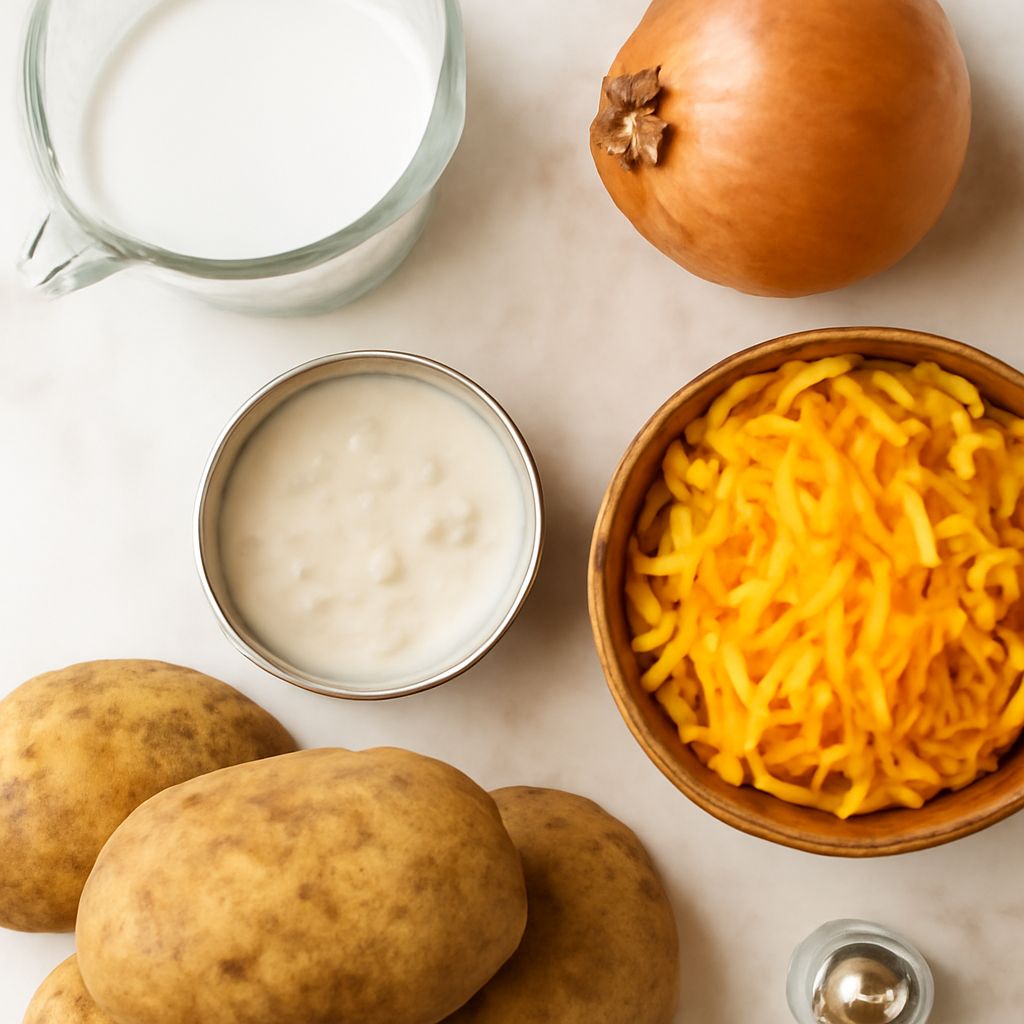
The real soup nazi was known for lobster bisque, cream of sweet potato, mulligatawny, and crab bisque — all made daily from scratch with high-quality ingredients. He refused to use canned stock or pre-made bases. Every soup was produced in limited quantities, which contributed to the urgency of the lines. When it sold out, it sold out. This scarcity, combined with the genuinely exceptional quality, is what created the phenomenon that eventually inspired the soup nazi character on television.
What Happened to Soup Kitchen International
After the Seinfeld episode aired, Yeganeh’s fame exploded — but so did his frustration with the soup natzi label. He was deeply uncomfortable with the nickname and refused interviews for years. He eventually licensed his recipes and the “Soup Nazi” branding to a chain of soup franchise restaurants in the 2000s. The franchise had mixed success and eventually closed most locations. The original West 55th Street location also closed. Yeganeh has continued to cook and run various food-related ventures since then.
Why the Story Endures
Decades after the episode aired, people still search for the real soup nazi and his recipes. The story works because it captures something true: exceptional food sometimes comes with rules, inconvenience, or difficult personalities — and people accept all of that when the product is genuinely worth it. The cultural shorthand of “no soup for you” has been used in business books, management seminars, and comedy for thirty years. For a single television episode built around a soup cart on 55th Street, that’s a remarkable legacy.