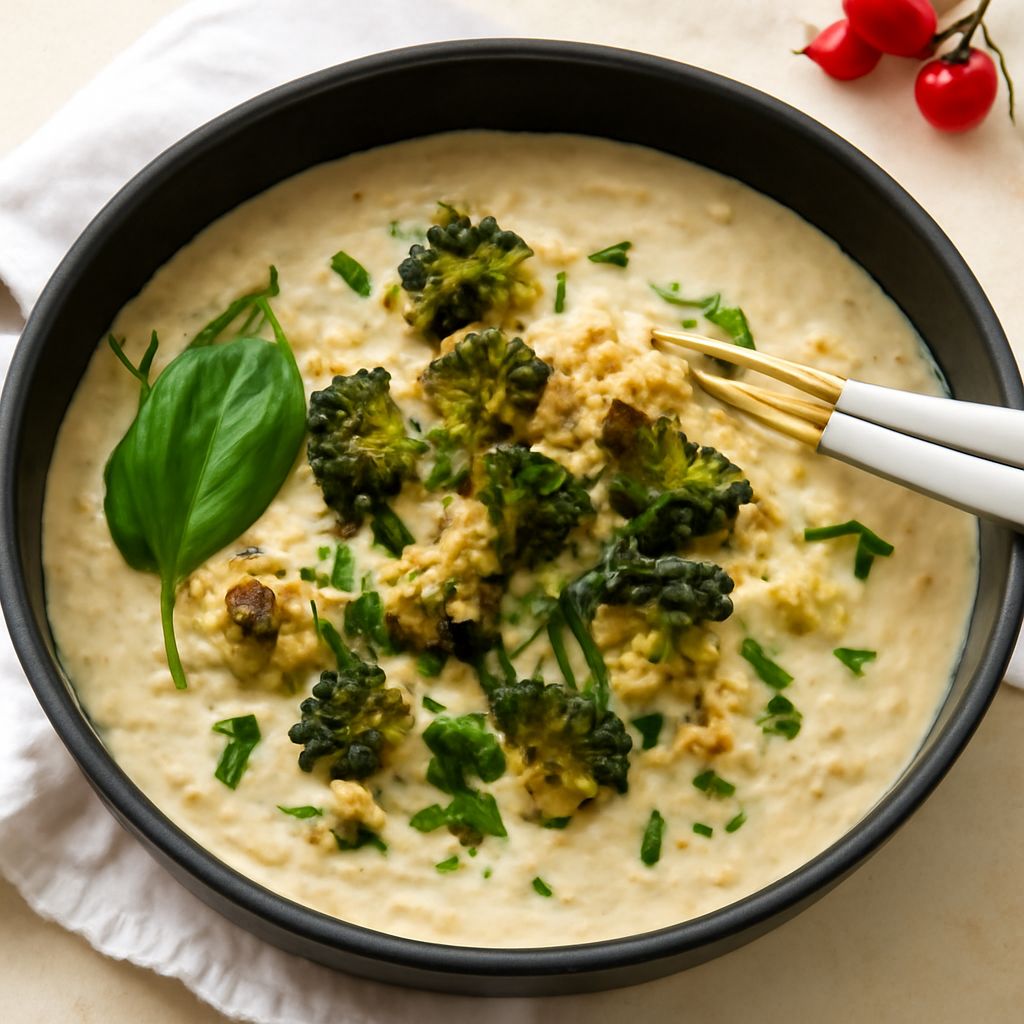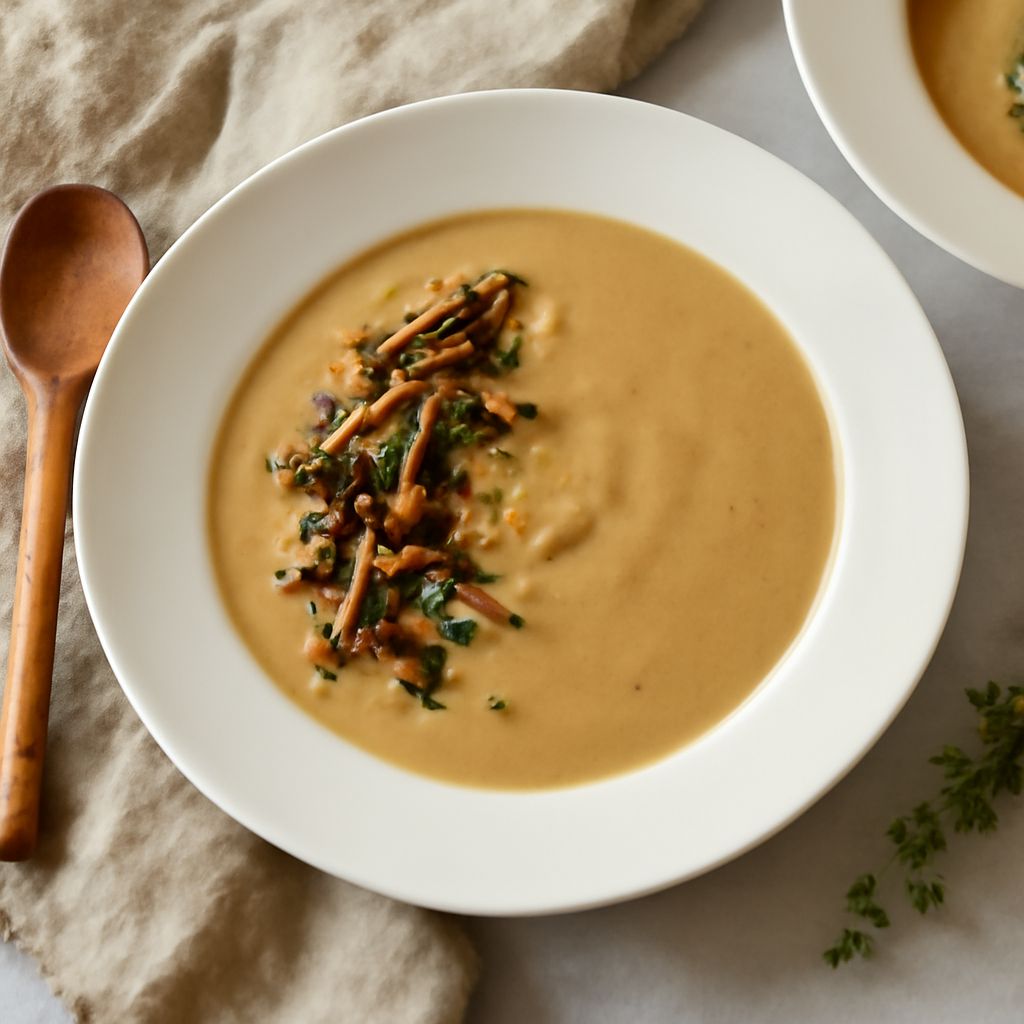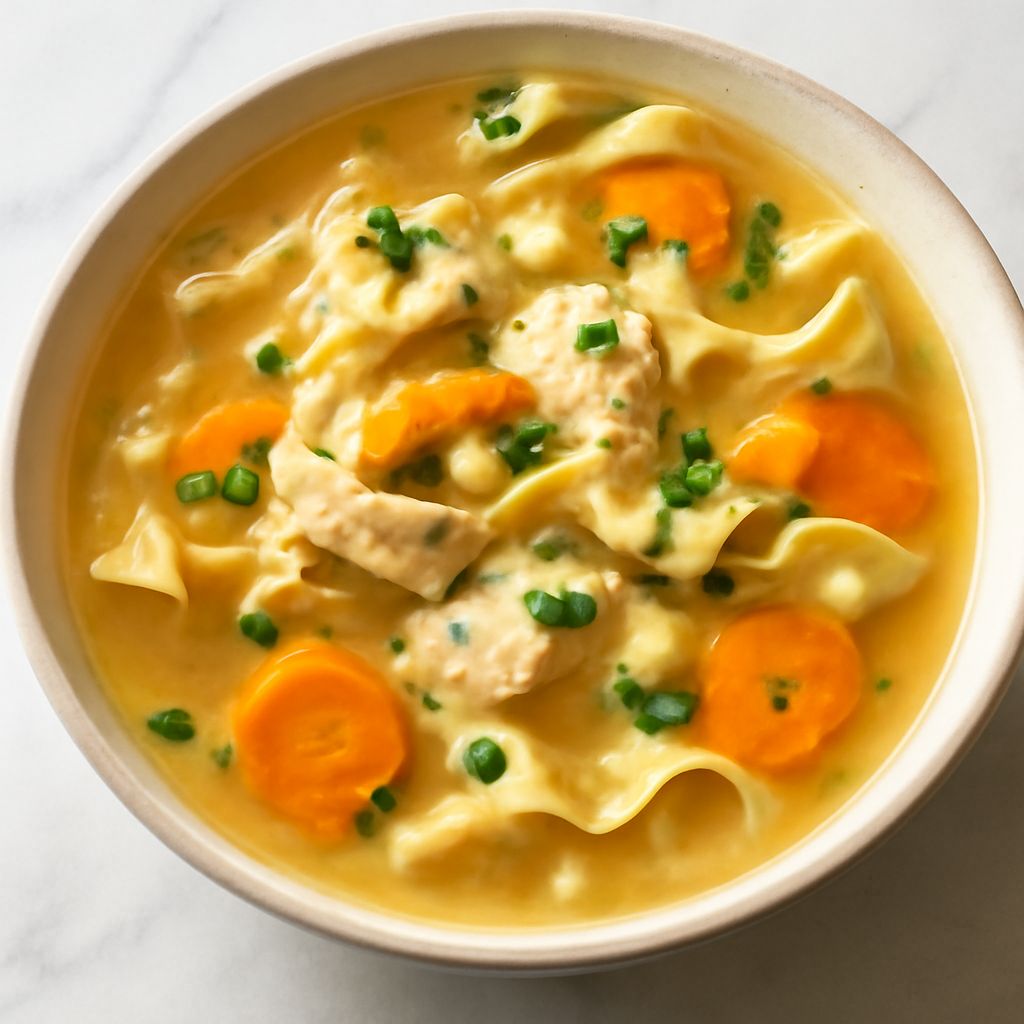
Understanding how to cook chicken for soup properly separates a flat, watery broth from one with real depth and body. The method you choose affects both the flavor of the liquid and the texture of the meat. Knowing how to cook chicken breast for soup differs meaningfully from working with whole birds or bone-in thighs, and each approach has distinct advantages. The best way to cook chicken for soup depends on what matters more: time, richness, or convenience.
Whether you are cooking chicken for soup from scratch or working with leftover pieces, the technique matters. Overcooked chicken breast turns stringy and dry. Undercooked dark meat can carry both texture and safety problems. And tracking calories in homemade chicken soup is easier when you control the ingredients yourself.
Simmering Whole Chicken
This is the most flavorful approach. Place a whole chicken in a large pot and cover with cold water by two inches. Add aromatics: a halved onion, two celery stalks, two carrots, a bay leaf, and a few peppercorns. Bring to a gentle simmer, never a hard boil. A rolling boil clouds the broth and toughens the meat. Skim the foam that rises in the first ten minutes. Simmer for one hour and fifteen minutes. The chicken will be fully cooked and the broth will have significant body from the gelatin in the bones.
Cooking Chicken Breast for Soup
Knowing how to cook chicken breast for soup correctly prevents the most common error: overcooking. Boneless, skinless chicken breasts need only fifteen to twenty minutes of gentle simmering in broth or water with aromatics. Remove them as soon as the thickest part reaches 165°F. Let them cool slightly, then shred or chop for the soup. Add the pieces back in at the very end of cooking rather than letting them continue to simmer in the broth.
Roasting First for Extra Depth
The best way to cook chicken for soup when you want maximum flavor involves roasting the chicken first. Roast bone-in pieces or a whole bird at 425°F until golden. Then transfer to a pot, cover with water, and proceed with simmering. The browned surfaces on the chicken bring Maillard reaction compounds into the broth, which adds a roasted, savory depth that raw chicken cannot provide. This method takes longer but produces noticeably richer soup.
Using a Rotisserie Chicken
Cooking chicken for soup with a pre-cooked rotisserie bird is the fastest option. Strip the meat from the carcass. Simmer the carcass in water for forty-five minutes to make a quick stock. Strain, then use that liquid as the soup base. Add the shredded meat in the final five minutes of cooking to warm it through without further cooking. This approach is a shortcut that still produces good results.
Calories in Homemade Chicken Soup
A bowl of homemade chicken soup made with skinless breast meat, vegetables, and light broth runs roughly 150 to 200 calories per serving. Using dark meat or leaving the skin on adds fat and calories. Egg noodles or rice contribute around 80 to 100 additional calories per half cup cooked. Calories in homemade chicken soup remain significantly lower than most canned versions, which often include sodium and additives that affect both nutrition and flavor.
Next Steps
Start with the simmering method if you have time and want maximum broth flavor. Use the breast-only method for quick weeknight soups. Try roasting first when you want restaurant-level depth. Once you have the chicken cooked correctly, the remaining soup components come together easily, and the results will reflect the care taken at this first stage.