Learning how to make white sauce for pasta opens up a wide range of dishes, from lasagna to baked pasta to simple weeknight plates. The base sauce is béchamel: butter, flour, and milk cooked together into a smooth, creamy coating. An easy white sauce for pasta comes together in about ten minutes once you understand the technique. Mastering it means you can make a reliable cream-style sauce anytime without relying on pre-made products.
Knowing how to make white sauce pasta properly involves understanding ratios and temperature. Too much flour produces a starchy, gluey sauce. Too little and it stays thin. A simple white sauce for pasta uses one tablespoon each of butter and flour per cup of milk. These white sauce pasta recipes apply the same béchamel logic across different applications.
The Roux: Foundation of Every White Sauce
What a Roux Does
A roux is equal parts butter and flour cooked together before adding liquid. The fat coats the starch granules and prevents clumping when milk is added. Cooking the roux for two minutes removes the raw flour taste. The color should remain pale yellow for white sauce; any browning produces a nutty flavor that changes the character of the sauce.
Butter vs. Oil
Butter is traditional and produces a richer flavor. Olive oil works as a substitute for dairy-free preparations but changes the taste slightly. For an easy white sauce for pasta that matches the Italian style, use unsalted butter so you can control the salt level in the finished sauce.
Adding the Milk
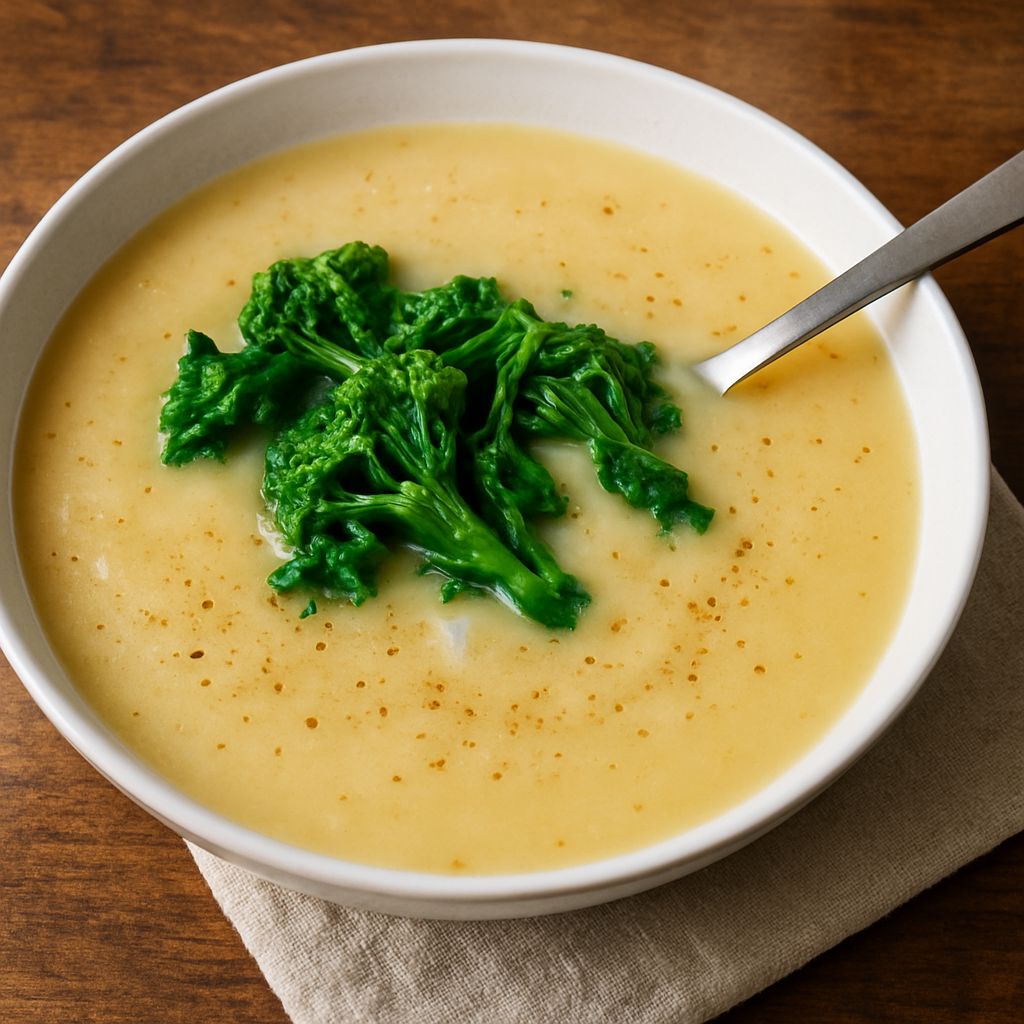
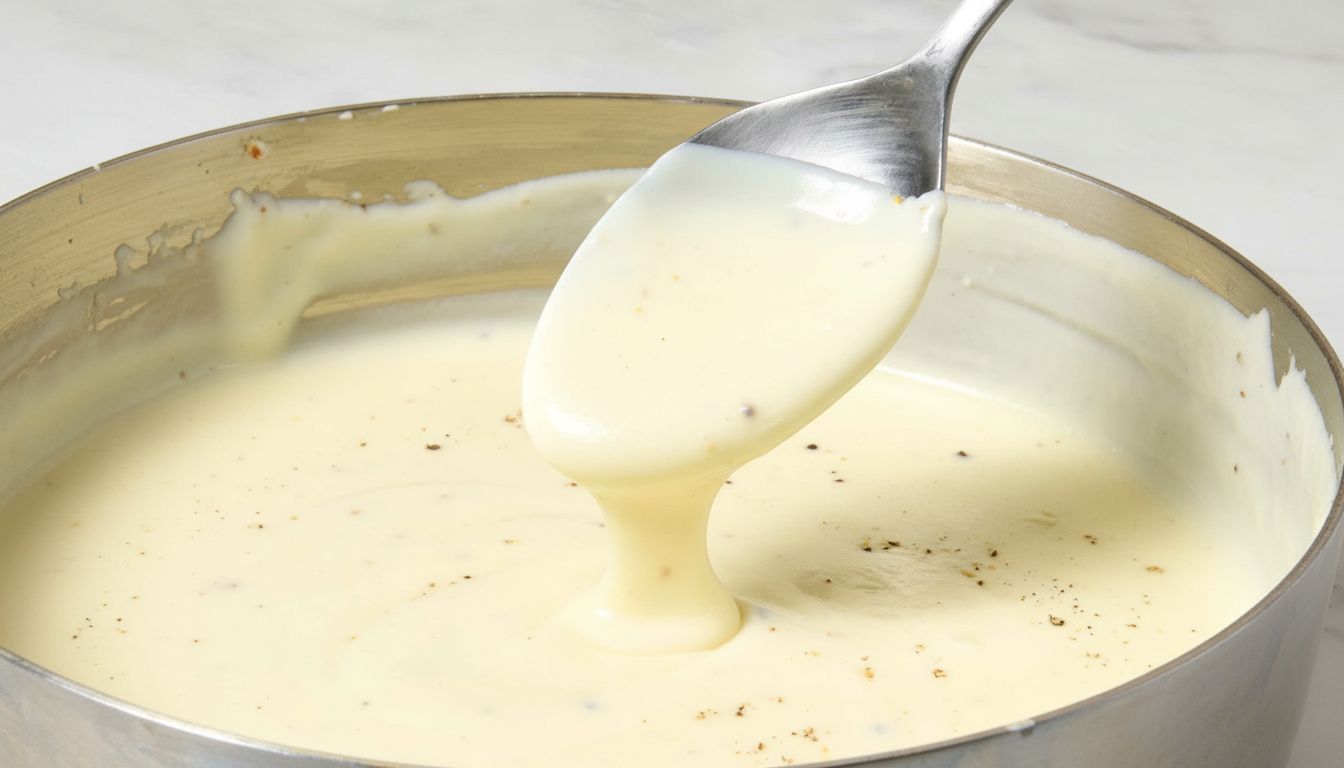
Always add warm milk to the roux, not cold. Cold milk shocks the fat and can cause lumps. Warm the milk in a small saucepan or microwave before adding. Add it gradually: pour in about a quarter of the milk first and whisk vigorously until smooth. Once that portion is fully incorporated, add the rest in a steady stream while whisking constantly. Bring the sauce to a gentle simmer and cook for three to four minutes, stirring regularly, until it coats the back of a spoon.
Seasoning White Sauce
Season with salt, white pepper, and a pinch of nutmeg. Nutmeg is the traditional white sauce seasoning and adds a warm, slightly sweet note that balances the dairy. Too much nutmeg is easy to do; a small pinch is enough. Taste before adding salt; cheese added later contributes significant sodium. For a richer sauce, add two tablespoons of cream or a tablespoon of cream cheese after the sauce has thickened.
White Sauce Pasta Recipes
Basic Pasta Bianca
Toss cooked pasta with white sauce and a generous amount of grated Parmesan. Finish with freshly ground black pepper and a handful of fresh herbs. This is the simplest of white sauce pasta recipes, and it demonstrates how well the sauce holds up as the primary flavor.
Spinach and Mushroom Pasta
Sauté mushrooms and spinach separately, then fold them into the simple white sauce for pasta. The vegetables add texture and earthy flavor without overwhelming the sauce. Use this combination as a filling for baked pasta dishes as well.
Common Mistakes When Making White Sauce
Lumpy sauce results from adding cold milk too fast or not whisking vigorously. If lumps form, strain the sauce through a fine mesh sieve. A sauce that tastes floury means the roux was not cooked long enough. Sauce that is too thick can be thinned with small additions of warm milk. When white sauce pasta recipes call for baking, use a slightly thinner sauce than you think you need; it thickens further in the oven.