A stir fry sauce without soy sauce is not a compromise. It is simply a different approach that uses other umami-rich, salty, and savory ingredients to achieve the same depth. Soy free stir fry sauce has become more relevant as soy allergies and dietary restrictions become more common, but the resulting sauces are genuinely good on their own terms. Stir fry no soy sauce recipes rely on alternatives like coconut aminos, fish sauce, tamari from non-soy sources, or a combination of miso-like fermented pastes that do not contain soy beans. Knowing which substitutes work and how to combine them makes a stir fry sauce without soy completely viable.
This guide walks through the best alternatives and how to build a balanced stir fry sauce no soy preparation that delivers flavor on every level. A stir fry sauce without soy is entirely achievable once you understand what soy sauce actually contributes to the dish.
What Soy Sauce Actually Does
Soy sauce contributes salt, umami, a slight sweetness, and a depth from fermentation. Any soy-free stir fry sauce needs to replace all four of those contributions, not just the saltiness. This is why simple salt-water solutions fail as substitutes. They are salty but flat. The replacements need to be fermented, concentrated, and layered to match the complexity of soy sauce.
Best Soy Sauce Substitutes for Stir Fry
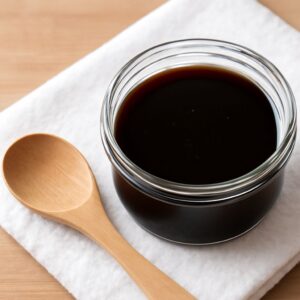
Coconut Aminos Coconut aminos is the most popular soy-free stir fry sauce base. Made from fermented coconut sap, it is slightly sweeter and less salty than soy sauce. Use it in a 1:1 ratio but add a pinch of salt and a small splash of fish sauce to compensate for the lower sodium and the reduced savory depth. It browns and caramelizes similarly to soy sauce in a hot wok, which is important for the right stir fry color and flavor.
Fish Sauce
Fish sauce is intensely salty and umami-forward, making it useful in small amounts in a stir fry no soy sauce preparation. Use it at about one-third the quantity of soy sauce you would normally use. Pair it with rice vinegar, sesame oil, and honey or palm sugar to create a balanced soy free stir fry sauce that holds up across different protein and vegetable combinations.
Building a Complete Stir Fry Sauce No Soy
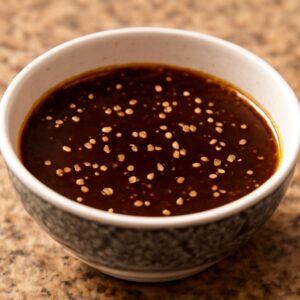
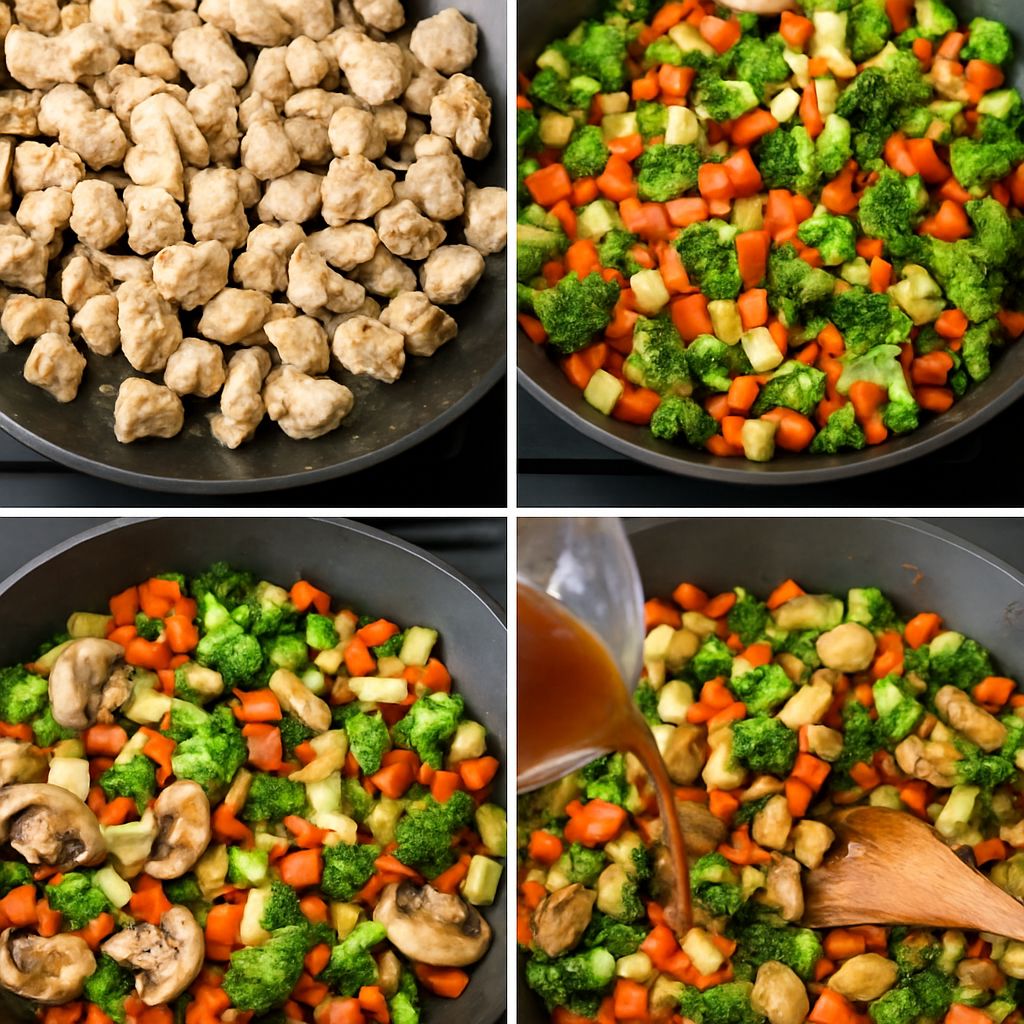
Combine three tablespoons of coconut aminos, one tablespoon of fish sauce, one tablespoon of rice vinegar, one teaspoon of sesame oil, one teaspoon of cornstarch, and one teaspoon of honey or brown sugar. Add minced garlic and freshly grated ginger. Mix well and add to the wok in the final minute of cooking, tossing quickly to coat. This stir fry sauce without soy works on chicken, beef, shrimp, and tofu equally well. The cornstarch thickens the sauce as it hits the hot surface and creates the glossy coating that makes stir fry so appealing.
For a stir fry sauce without soy sauce that leans toward a Thai profile, add a tablespoon of tamarind paste and a teaspoon of chili garlic sauce to the base above. The tamarind brings tartness that coconut aminos alone cannot provide.
Gluten-Free Considerations
Coconut aminos is naturally gluten-free, which is an advantage over standard soy sauce. For anyone avoiding both soy and gluten, a soy free stir fry sauce built on coconut aminos, fish sauce, and rice vinegar is the safest approach. Check fish sauce labels because some brands add wheat or other additives. A certified gluten-free fish sauce paired with coconut aminos gives you a stir fry sauce no soy that is also safe for most gluten-restricted diets.
Storing and Scaling
Pre-mix large batches of the base sauce without the cornstarch, which should only be added when cooking. Store in a sealed jar in the refrigerator for up to two weeks. This makes weeknight stir fry faster and more consistent. Shake before each use because the sesame oil will separate from the other liquids when cold.