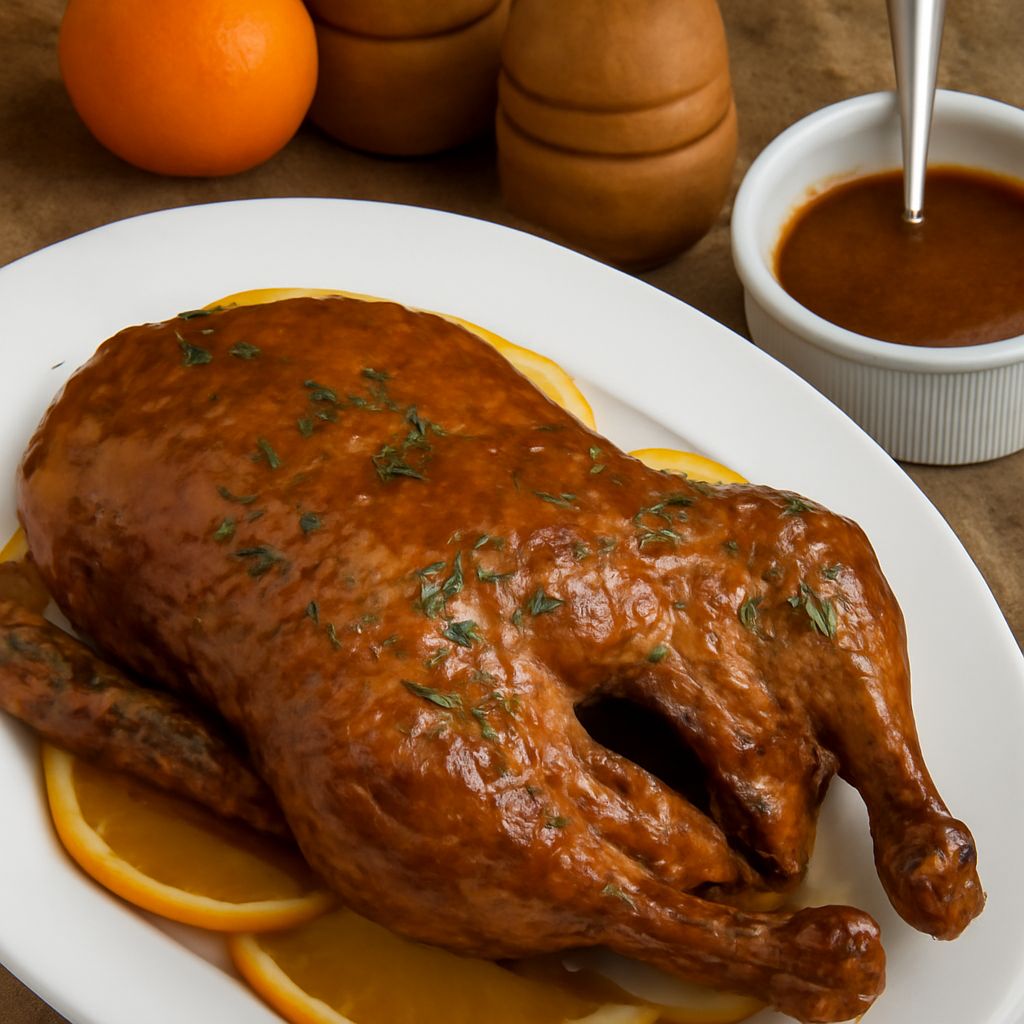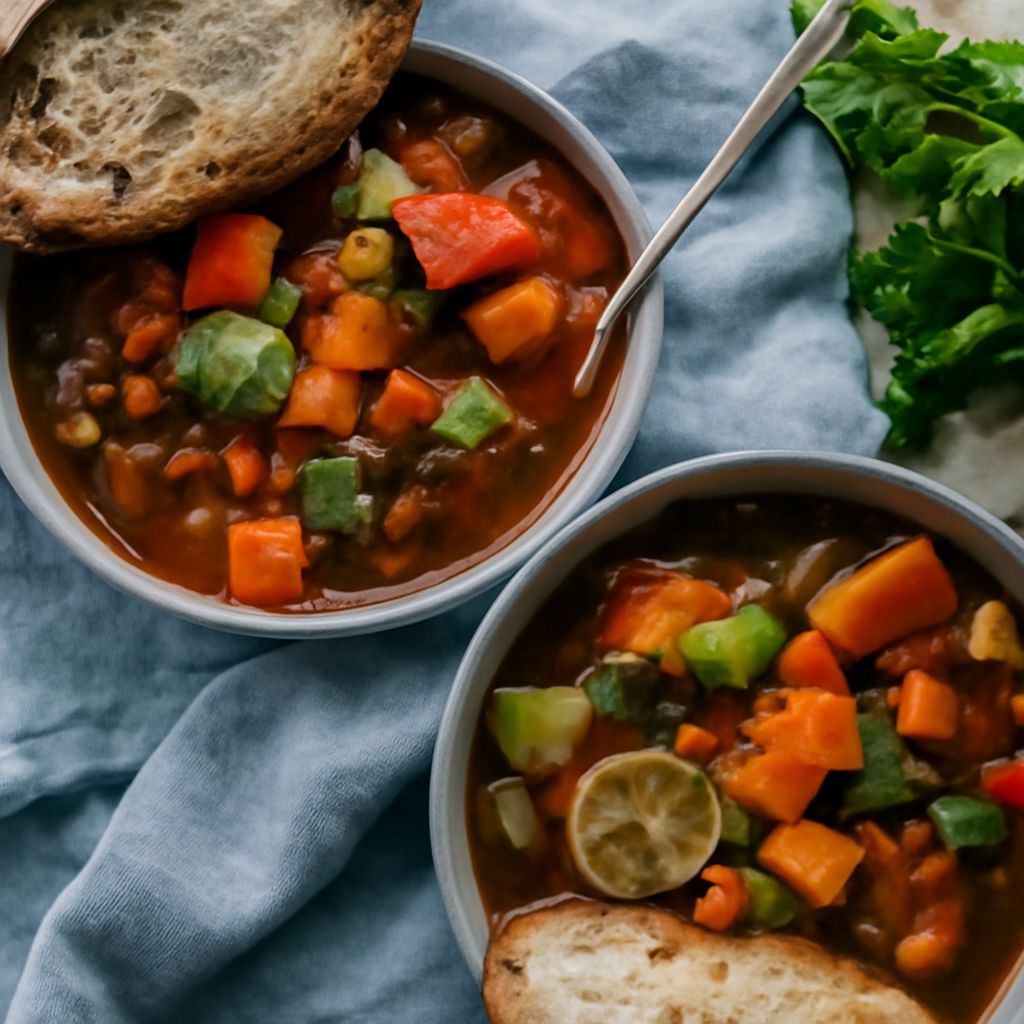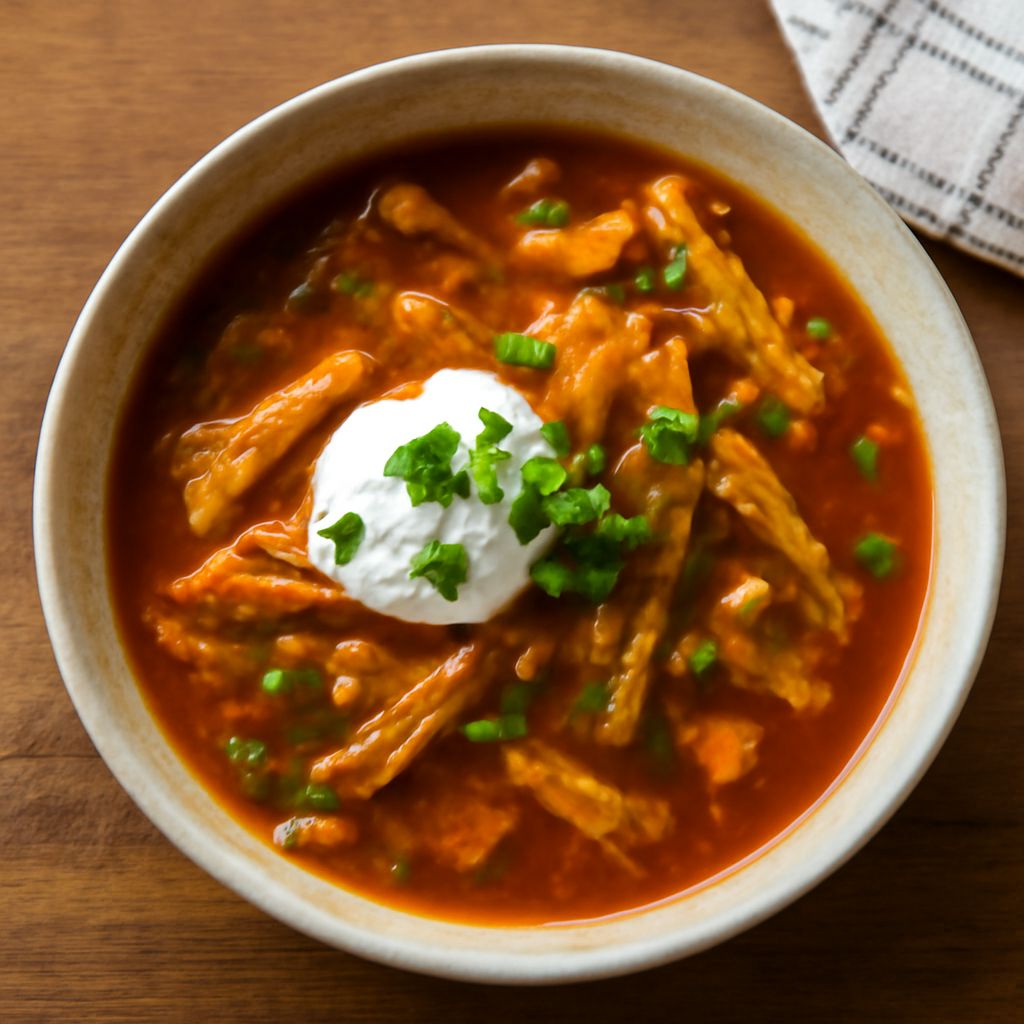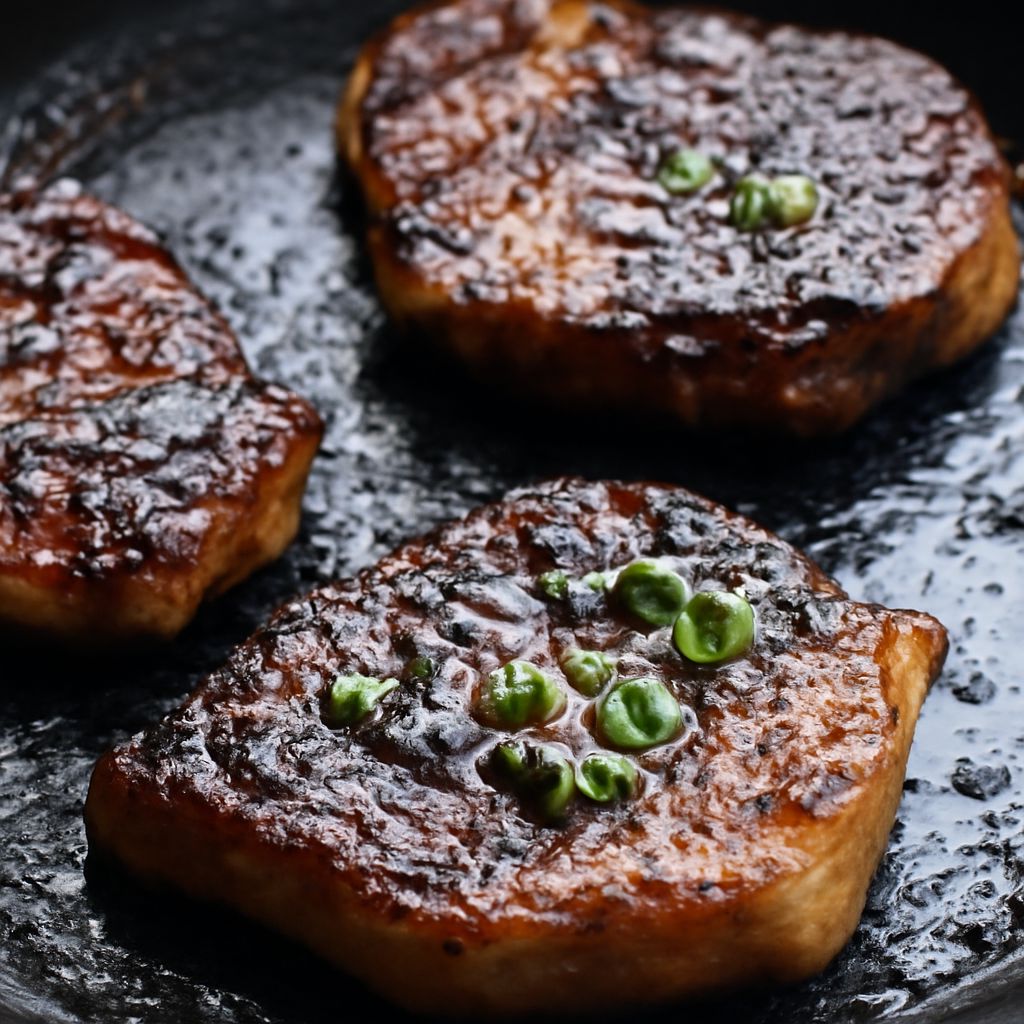
Asian pork marinade builds deep, savory flavor fast. Soy sauce, ginger, garlic, and a touch of sesame oil combine to create a umami-rich base that penetrates pork quickly and caramelizes beautifully over high heat. The result is a piece of meat that is simultaneously salty, sweet, fragrant, and slightly charred at the edges.
This guide also compares mojo pork marinade and cuban pork marinade for those interested in Latin-inspired options alongside the Asian version. A teriyaki pork marinade variation is included for those who prefer a sweeter, more glazed result. Finally, a note on mojo sauce for pork explains how to use a citrus-herb base in a similar way.
What Makes Asian Pork Marinade Work
The Flavor Components
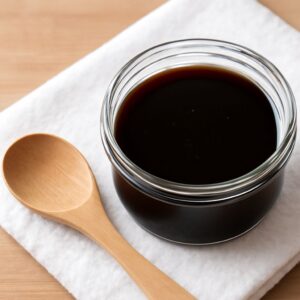
A standard asian pork marinade contains soy sauce for saltiness and umami, rice vinegar for acidity, fresh ginger for warmth, garlic for depth, sesame oil for nuttiness, and a sweetener like honey or brown sugar to balance and help with caramelization. Some versions add hoisin, oyster sauce, or five-spice powder for additional complexity.
Marinating Time
Thirty minutes is sufficient for thin cuts like pork chops. Pork shoulder or tenderloin benefits from two to four hours. Overnight works well for larger cuts but may make thinner pieces slightly salty if left too long. Always marinate in the refrigerator in a sealed bag or covered container.
Asian Pork Marinade Recipe
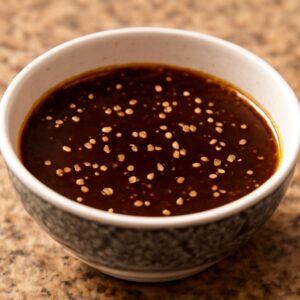
Combine three tablespoons of soy sauce, one tablespoon of rice vinegar, one tablespoon of sesame oil, two teaspoons of honey, one teaspoon of freshly grated ginger, two garlic cloves minced, and a pinch of red pepper flakes. Whisk and pour over pork. This asian pork marinade works on pork tenderloin, chops, belly, and shoulder equally well.
Teriyaki Pork Marinade
For a sweeter approach, a teriyaki pork marinade uses more honey and adds mirin, a sweet Japanese rice wine. Combine three tablespoons of soy sauce, two tablespoons of mirin, one tablespoon of honey, one teaspoon of sesame oil, and one garlic clove. This teriyaki pork marinade produces a sticky, lacquered finish when grilled or broiled and pairs perfectly with steamed rice and stir-fried vegetables.
Mojo Pork Marinade and Cuban Pork Marinade
Mojo pork marinade is rooted in Cuban and Latin cooking. A traditional mojo pork marinade combines sour orange juice or a mix of orange and lime juice, garlic, cumin, oregano, and olive oil. The citrus provides both acidity for tenderizing and a bright, tropical flavor that is completely distinct from the soy-based asian version. A cuban pork marinade often uses this same mojo base and is particularly popular for slow-roasted shoulder, where the mojo sauce for pork becomes the cooking liquid as well as a finishing condiment.
Mojo Sauce for Pork
A mojo sauce for pork made with fresh garlic, citrus juice, and olive oil also works as a table sauce served alongside the cooked meat. Simply reserve a portion before adding raw pork, then finish it with fresh herbs just before serving. This technique transforms a cuban pork marinade into a complete flavor system for the whole dish.
Key Takeaways
Asian pork marinade delivers umami-forward, caramelized results best suited for grilling or high-heat cooking. A teriyaki pork marinade adds sweetness and a glazed finish. Mojo pork marinade and cuban pork marinade offer citrus-driven brightness that works well for slow cooking. Choose based on the cooking method and flavor direction you want.